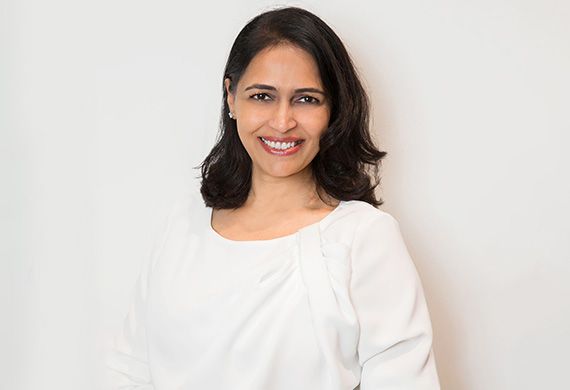

Rupali Gupta is a global HR professional and has been working in the APAC, LATAM, MENA, and Africa territories. She is an expert in organization design, talent development, rewards and culture and helps organizations to re-organize jobs, skills and leadership competencies and stimulate change, equity and growth in many sectors.
In a fascinating interaction with Women Entrepreneurs Review Magazine, Rupali Gupta shares her insights on how to overcome talent issues, workforce digitalization, inclusive leadership, and culture-based development. She talks about upskilling of conventional sectors, rethinking rewards, and coming up with workplaces that encourage ambition, flexibility and long-term influence
Given the evolving seafood supply chain and global trade volatility, how is the talent ecosystem adapting to tech-led disruptions? What challenges are emerging in workforce design?
The seafood industry is very traditional and niche – quite unique as it is one of the world’s most primitive industries yet changing very quickly. It is common to see strong, family-led businesses and longevity in roles and tenure of leaders. This opens up a very different challenge – of how to upskill and adapt to changing times in what is still a relationship-based, traditional space.
The largest workforce challenges are two-fold: first – the upcoming wave of tenured retirements, and on the other hand, reducing number of young talent joining the industry. A naturally reducing workforce size, coupled with opportunities to leverage AI, data intelligence and automation.
How are HR leaders in global logistics using culture architecture as a strategic lever to synchronize hyperlocal values with cross-continental business demands in real time?
Globally, and across a range of companies I have seen – worked with/ for, culture is becoming the biggest differentiator to retaining hi-performing talent in the long run. Culture is how work gets done, what leaders (and others do) even when nobody is watching, and what is tolerated. Across cultures, the nuances of collaboration and communication change, so do cultural nuances on the 2x2 of Internal-External focus and Flexibility-Stability in the organization. The trade-offs include tough people decisions – how leaders respond to brilliant, mis-aligned people and the follow-through/ consistency in the actions and words of senior leaders. Culture is not built by posters on the walls and values, but in these daily interactions.
As workforce digitization accelerates, what barriers do women in mid-senior roles face in transitioning from execution to influence?
Some of the key challenges I have seen with women include:
1) The shift from execution with creating and sustaining their visibility and voice.
2) In building internal networks and sponsors – rather the personal costs and tradeoffs associated in investing that kind of effort and energy. Decisions and connections are made outside the workplace, meeting and board-rooms, to which women may not even have access to; and
3) The differences in communication style and preferences and the clarity/ role models on where they are going.
Organisations that are structurally or intentionally inclusive spend the time, effort and energy to shift ways of work and norms to include a large part of the workforce into senior conversations, support with mentors and invest in their development. More organizations need to open up sponsorship to make influence more accessible, not just positional.
As someone who’s worked across cultures, how do you re-engineer leadership development frameworks to be sensitive to intersectional identities without diluting organizational agility?
Working and leading across cultures has taught me both situational leadership and that ‘one style never fits all’. People bring their whole selves to work (personal and professional ambitions, aspirations, challenges and frustrations) along with their beliefs, values and identities which shapes how they lead.
The key to successful design is to honour and provide space for respecting and demonstrating differences to play to individual strengths rather than fit everyone through a cookie-cutter approach.
Themes and interventions that play out well include open perspectives, vulnerability and recognizing and leveraging each other’s’ strengths aligned and moving towards the company’s goals and values.
How can reward systems in high-growth, supply-led sectors be reimagined to drive performance and purpose for diverse, dispersed talent cohorts including frontline women professionals?
This is a complex question, as it hits on both high-growths as week as diverse, dispersed talent and frontline women – too many customers and variables to solve for. In a nutshell, Total Rewards are moving to be more flexible, tailored and customized for the needs of key groups and personas. With frontline women professionals – money, retention and flexibility is key, while as they move up in the organization, inclusion and sponsorship becomes more critical. Also, culture plays such a large role with psychological safety, inclusion, finding meaning and alignment to purpose.
LAST WORD: Message to Women Leaders Designing workplaces of the Future
To women building workplaces of the future – design for multiple, adapting needs, not just based on the majority. Remember – many main scale inventions today (e.g. sub-titles, electric toothbrushes, sidewalks) were built for the minority and end up benefitting the majority today – even though they were not based on the classic “needs” of the majority.
Go beyond the lateral and vertical paths and options - create space for ambition and personal needs – plan for growth, pauses, breaks and come-backs, design for ‘squiggly careers’ and for experimentation. For women - surround yourself with people who see your potential, not your limitations; and workplaces that work for you. Know when you are thriving and hold on tight to accelerate or slow down when you need to.
Current Issue
Most Viewed
- 1 Talented Indian Female Actors Who Also Moonlight as Successful Producers
- 2 7 Indian Female Podcasters You Must Know About
- 3 7 Powerful Independent Indian Women Journalists Who are Voices of Change
- 4 Ruchikaa Kapoor Sheikh: The Creative Mind Behind Netflix India's Popular Shows
- 5 7 Most Influential Women Educators India has had over the Years
- 6 11 Breakthrough Female Faces Ruling the Indian OTT Platforms
- 7 8 Timeless Female Indian Classical Dancers & their Legacy
- 8 Women's Health Startup HerMD Closing Doors Amid Industry Challenges
- 9 Real Meets Reel: A List of 11 Indian Movies based on Real Women
- 10 Rasha Hassan: A Visionary Leader On A Mission To Transform Dubai's Real Estate Landscape
- 11 5 Indian Women-led IPOs You Must Know About
- 12 11 of the Most Iconic 21st Century Women to become "The First Indian Woman"
- 13 India's 7 Funniest Women Stand-Up Comics You Must Follow
- 14 Aparna Purohit : Leading India's Most Popular OTT Platforms
- 15 How Leaders Can Balance Risk & Innovation in Today's Banking Landscape
- 16 Dr. K. Shilpi Reddy: Sculpting Healthier Futures For The Next Generation With Reforms In Obstetrics Care
- 17 Sylvia Dcosta: A Visionary Business Leader Pushing The Limits And Setting High Professional Standards
- 18 Top 5 All-Rounder Women Cricketers of India
- 19 How Tata AIA is Empowering Women with Insurance That Understands Their Needs


