
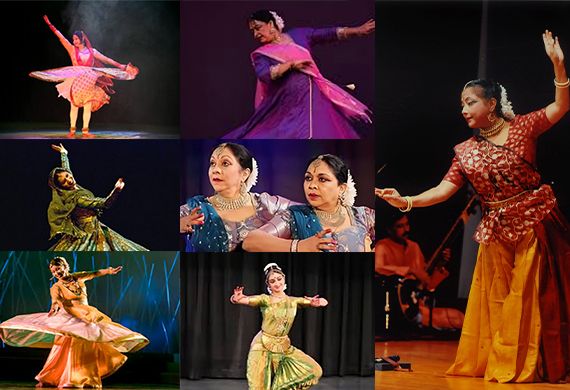

‘Katha kahe so kathak kahave’: ‘One who tells a story is Kathak’
This phrase encapsulates the very ethos of the Indian classical dance, Kathak. Deriving its roots from the word ‘katha’, which translates to ‘story’, Kathak is a dance form known primarily for storytelling. Originated centuries back in the temples of Norther Indian, the dance form showcases elegant movement of hands and feet accompanied by facial expressions.
One of the seven classical dance forms prevalent in India, Kathak has had an interesting journey over the years. Initially danced by male dancers who were called Kathakars, it showcased myths and epics through graceful movements, rhythm, and gestures. The dances were spiritual in nature and were meant to take human beings closer to the gods. Later, through the influence of the Mughals, Kathak shifted to the royal courts and gained a new level of luxury and refinement. Moving away from spirituality, it began focusing on beauty, elegance, and delicacy.
In the eyes of the common public, Kathak continued to be dominated by men for decades. But the 20th century saw a sea change. Women came onto the stage not just as dancers, but as harbingers of change.
Iconic doyens of the art form such as Sitara Devi, Shovana Narayan, Saswati Sen, and Aditi Mangaldas broke the mold and transformed Kathak with depth of emotion and imagination. They brought back the dance form’s once lost reputation as well.
Today, in the 21st century, women dominate the field of Kathak. While staying true to its tradition, contemporary Kathak artists are pushing the frontier of the art form across the globe in new and innovative ways.
Let’s meet some of the contemporary geniuses who played a key role in taking the traditions of Kathak forward while also charting new territories through the dance form.
Kumudini Lakhia
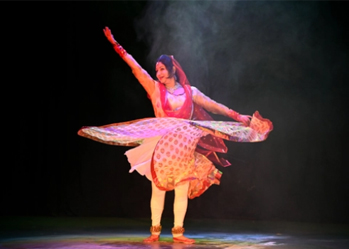 Kumudini Lakhia, born on 17 May 1930, is a renowned dancer and Kathak choreographer. She was the first to revolutionize the style of the dance form. Ahmedabad, Gujarat, was her native place. By the early 1960s, Kumudini had moved past solo classical Kathak, and in 1967 she founded the Kadamb School of Dance and Music, where she trained numerous artists under her tutelage.
She inspired new generations by keeping Kathak relevant to the audience today while respectful of the genre’s rich classical origins, developing contemporary themes throughout. Her pioneering work revolutionized Kathak, allowing the next few generations to dance and innovate new stories through it.
Throughout her career, Kumudini won several prestigious awards, which include the Sangeet Natak Akademi Award, Padma Shri, Padma Bhushan, and Padma Vibhushan, all of which highlight her effort as a dancer and performer throughout the years. More recently, however, she received the Tagore Ratna, Kalidas Samman, and Guru Gopinath Desiya Natya Puraskaram for her work.
Rani Karnaa 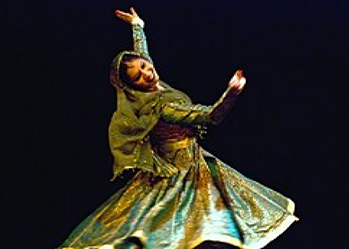
Rani Karnaa was born in 1939, and she is a celebrated Indian classical dance master of the Kathak School. She was born in Hyderabad but shifted to Delhi as a child and trained in dance under revered gurus such as Nrityaacharya Narayan Prasad and Pandit Sunder Prasad. She refined her art further under Pandit Birju Maharaj.
Rani Karnaa added her own style of presentation by intermingling Jaipur and Lucknow gharanas' techniques of Kathak and also trained in other classical dances like Odissi, Bharatanatyam, and Manipuri together with Kathak. She received excellent critiques for her performances both within India and abroad.
Rani received one of the finest awards, Padma Shri in 2014 and the Sangeet Natak Akademi Award in 1996, for her contributions in classical dance, to mention a few.
Uma Sharma 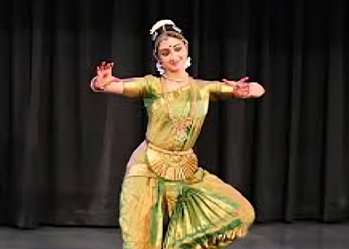
Uma Sharma, born in 1942 in Dholpur, Rajasthan, is a celebrated Kathak dancer, choreographer, and teacher. She is best known for bringing back to life Natwari Nritya, the Vrindavan Raslila dance of yore, which eventually developed into Kathak.
Trained in Lucknow and Jaipur gharanas by renowned masters Pandit Sunder Prasad and Pandit Shambhu Maharaj, Uma introduced fresh depth into Kathak through adaptations of poems of great poets Kalidas, Tulsidas, and Rabindranath Tagore. She is director of Bharatiya Sangeet Sadan, New Delhi, and a school of performing arts started by her father in 1946, where she continues to guide and motivate new generations of dancers.
Uma has received numerous awards, including other awards, with the Padma Shri in 1973—the then youngest recipient ever—and the Padma Bhushan in 2001. She was also awarded the Sumitra Charat Ram Award for Lifetime Achievement in 2022. Uma continues the great tradition of Kathak in her dance and teaching, and also facilitates the quest for artistic expression further.
Saswati Sen 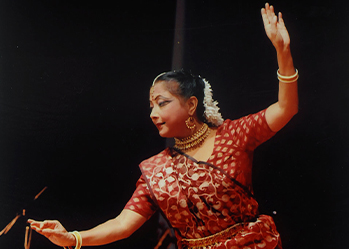
One of the most famous Kathak dancers from India, Saswati Sen was born in Chittaranjan, West Bengal, on August 25, 1953. She is best known for her elegant Lucknowian Kathak and firm background in the dance form.
In spite of belonging to a family of lawyers and doctors, Saswati continued to pursue her passion for dancing. Before becoming a noted disciple of the great Pandit Birju Maharaj, she was taught Kathak by Reba Vidyarthi at Delhi's Kathak Kendra. With her soulful abhinaya, or expression through dance, she performed at the largest festivals of the Konark Festival and the Lucknow Mahotsav and danced across India and the globe.
Also Read: Farah Khan's YouTube Success Story: A Masterclass in Authenticity & Reinvention
Today, Saswati is the head of Kalashram, a Kathak school in New Delhi that her guru set up, where she teaches.
Shovana Narayan 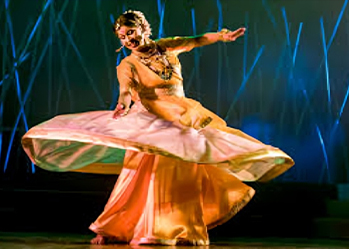
Shovana Narayan, born on 2nd September, 1950, is a well-known Kathak dancer and an Indian Audit and Accounts Service officer. She has trained under the guidance of master Pandit Birju Maharaj and has showcased her brilliance on both Indian and international stages.
She has also gained popularity with her experimental dance productions such as The Dawn After 1994, a commissioned ballet that incorporates Western classical dance with Kathak and Flamenco. She choreographed the opening and closing ceremonies of high-profile events such as the 6th Abilympics of 2003 and the Commonwealth Games Delhi 2010. Shovana worked with India's best dancers for other traditional dances.
Besides acting, she has also worked a great deal in research. She found eight Kathak villages around Gaya and collaborated with scholar KK Mishra to locate a 4th-century BCE inscription associating Kathak with the ancient past. She was the first one to shoot a dance video on the Khajuraho temples titled 'Dance of the Temples'.
Shovana was awarded the Padma Shri as a prize for her contribution to art.
Mamta Maharaj 
Mamta Maharaj is best known as the greatest Kathak dancer, choreographer, and guru of the Lucknow gharana in India. She was born on 11th August 1969. As the daughter of the legendary Pandit Birju Maharaj, she has a powerful lineage, being the eighth generation in the traditional dance form.
Breaking against traditional expectations that once barred Kathak women in her family from performing at a professional level, Mamta followed her passion and became the first woman to be officially called a "ganda-bandh shagird" of her father. Her passion and skill have taken her on world tours with performances in the USA, Canada, Malaysia, and China.
Kathak dancer Mamta Maharaj won the Yuva Mahotsava Award, which aims to recognize and encourage youth participation in art and culture. As a teacher at Kalashram, New Delhi, a school her father founded to promote the art of Kathak, she still inspires young dancers.
Kamalini Asthana & Nalini Asthana 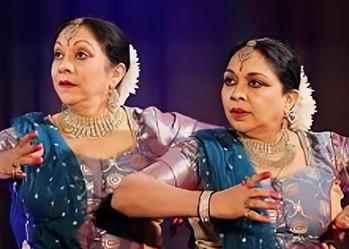
Agra-based sisters Nalini Asthana and Kamalini Asthana are celebrated artists and exponents of the Benaras Gharana School of Kathak. Their exposure to Kathak was abrupt in the guise of a chance meeting with Guru Jitendra Maharaj of the Benaras Gharana. They were impressed by him and started learning Kathak in 1973. They had their arangetram (debut concert) in Kochi, Kerala, during their tour with Guru.
They founded the Sangeetka Institute of Performing Arts in Delhi in 1975 to impart Kathak and classical music training. They have traveled all over the world, going to places like Torremolinos and Madrid (Spain), Dublin (Ireland), and ISKCON, London. They were featured on the BBC's Eastern Eye, presented by Karan Thapar. They also produced a film, Voyage of Kathak, for the Inner London Education Authority (ILEA) and gave lecture demonstrations in some London schools, sharing the richness of Kathak with global citizens as well.
In 2022, the Government of India awarded Kamalini and Nalini the Padma Shri. They were awarded this great honor for their commendable efforts towards the practice of art. The award identifies them as a celebrated Kathak dancing duo from Agra who have a passion for teaching and spreading the art form to the world.
Current Issue

Most Viewed
- 1 Talented Indian Female Actors Who Also Moonlight as Successful Producers
- 2 7 Indian Female Podcasters You Must Know About
- 3 7 Powerful Independent Indian Women Journalists Who are Voices of Change
- 4 Ruchikaa Kapoor Sheikh: The Creative Mind Behind Netflix India's Popular Shows
- 5 7 Most Influential Women Educators India has had over the Years
- 6 11 Breakthrough Female Faces Ruling the Indian OTT Platforms
- 7 8 Timeless Female Indian Classical Dancers & their Legacy
- 8 Women's Health Startup HerMD Closing Doors Amid Industry Challenges
- 9 Real Meets Reel: A List of 11 Indian Movies based on Real Women
- 10 Rasha Hassan: A Visionary Leader On A Mission To Transform Dubai's Real Estate Landscape
- 11 5 Indian Women-led IPOs You Must Know About
- 12 11 of the Most Iconic 21st Century Women to become "The First Indian Woman"
- 13 India's 7 Funniest Women Stand-Up Comics You Must Follow
- 14 Aparna Purohit : Leading India's Most Popular OTT Platforms
- 15 How Leaders Can Balance Risk & Innovation in Today's Banking Landscape
- 16 Dr. K. Shilpi Reddy: Sculpting Healthier Futures For The Next Generation With Reforms In Obstetrics Care
- 17 Sylvia Dcosta: A Visionary Business Leader Pushing The Limits And Setting High Professional Standards
- 18 Top 5 All-Rounder Women Cricketers of India
- 19 How Tata AIA is Empowering Women with Insurance That Understands Their Needs


