
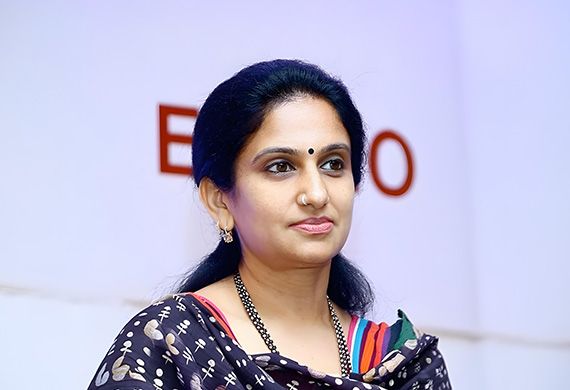

Dr. Vanitha Datla, a CFA charterholder with a Ph.D. from ISB on Women in Indian Family Businesses, brings nearly three decades of leadership excellence. Widely recognized with multiple national awards, she is a prominent voice for women’s empowerment and active contributor to industry forums.
Family Businesses have been proven to be the backbone of the global economy as they constitute almost two thirds of all businesses worldwide (Family Firm Institute., 2014), providing anywhere between 50 to 70 percent of jobs and contributing between 70 to 90 percent to the GDP in majority of the countries. While they have the potential to offer productive opportunities and environments for women family members, they usually appear to be the last bastions that women are able to penetrate (Hollander & Bukowitz, 1990).
Women in family businesses continue to struggle due to the imposition of traditional limitations by family members and society. While family firms are known to derive their ‘special dynamic’ from the influence of family, this aspect in patriarchal families often impedes women family members who aspire to participate in the family enterprise. In traditionally patriarchal countries like India, family businesses continue to be predominantly a male domain. There is further evidence that Indian family businesses lag behind the rest of the world in integrating and empowering female family members in operational roles and decision-making positions due to the prevailing ‘son preference’ culture that translates to explicit preferences for having sons over daughters.
Women are often not groomed for professional roles within family businesses, nor are they consistently provided with meaningful opportunities to contribute.
In many cases I’ve observed, their involvement tends to be symbolic rather than substantive. A significant number of women in such roles accept the status and associated privileges without playing an active part in the business, while others eventually withdraw and return to traditional homemaker roles. However, I have also witnessed women who actively sought more hands-on engagement and went on to successfully lead their businesses. In some instances, women assumed leadership positions due to unforeseen circumstances, ultimately taking on pivotal roles within the organization.
Many women in family businesses work without titles or pay. How can this invisibility be turned into recognition and leadership opportunities for women across generations?
Despite playing critical roles behind the scenes, women in family businesses are often overlooked in leadership, succession, and decision-making. Their contributions—frequently unpaid and informal—are rarely acknowledged as strategic or integral to business success. Changing this reality requires intentional efforts to formalize their roles, amplify their visibility, and create institutional mechanisms that support and sustain their leadership.
The following strategies offer a roadmap to transition women from the margins to the mainstream of family business leadership.
Acknowledge and Document Contributions
The first step toward recognition is acknowledgment. Many women contribute in innumerable intangible yet vital ways such as nurturing client relationships, informally managing employees, or maintaining family unity. These contributions should be formally documented through family business reports, annual reviews, or governance records. Additionally, capturing oral histories and case studies ensures their stories become part of the organization’s institutional memory, not lost in silence or assumed as default duties and taken for granted.
Translate Informal Roles into Formal Positions
Supportive roles such as conflict mediation, value stewardship, and informal HR management often go unnoticed. However, these functions are strategic and can be reframed into formal leadership roles—such as Head of Family Governance, Chief Culture Officer, or Director of Stakeholder Relations. Even symbolic titles can confer legitimacy, grant access to decision-making platforms, and increase visibility not only within the organizations but in external eco-systems too.
Build Pathways for Next-Gen Women
Empowering the next generation of women in family businesses starts with exposure and mentorship.
Senior female family members, even those who were once “invisible,” can mentor younger women and guide them toward leadership.
Encouraging them to pursue management education, family business programs, or global leadership fellowships strengthens their capability and positions them as credible contenders for formal roles in the future.
Embed Gender-Inclusive Governance
Governance structures must evolve to reflect inclusive values. Family constitutions and councils should include provisions to ensure women’s voices are present in succession planning and decision-making processes. Leadership transitions should move away from male-preference norms, focusing instead on competence, vision, and contribution—regardless of gender.
Leverage Networks and Ecosystems
Visibility outside the family business is equally important. Women should be actively engaged in platforms such as the Family Business Network (FBN), chambers of commerce, and industry-specific associations. Nominating them for entrepreneurship and leadership awards not only validates their contributions but also sets powerful examples for younger generations.
Reframe Invisibility as a Leadership Asset
What has long been perceived as “invisible” or “soft” power—such as fostering trust, stewarding values, and building employee loyalty—must be recognized as legitimate and transformational leadership.
Women's unique dual roles as both business contributors and family anchors position them as bridges between generations and between the emotional and strategic needs of the enterprise.
This blend of leadership is not only valuable but essential to the sustainability of family-owned businesses.
Recognition as a Catalyst for Real Transformation
The transition from invisibility to influence is not merely symbolic—it requires systemic, cultural, and structural shifts. Recognizing unpaid and often unseen contributions as real leadership capital can transform family business dynamics. As we work to dismantle inherited biases, we pave the way for future generations of women to not just participate in, but lead, the enterprises their families have built. It is time to ensure that they inherit not invisibility—but opportunity, authority, and respect.
Current Issue

Most Viewed
- 1 Talented Indian Female Actors Who Also Moonlight as Successful Producers
- 2 7 Indian Female Podcasters You Must Know About
- 3 7 Powerful Independent Indian Women Journalists Who are Voices of Change
- 4 Ruchikaa Kapoor Sheikh: The Creative Mind Behind Netflix India's Popular Shows
- 5 7 Most Influential Women Educators India has had over the Years
- 6 11 Breakthrough Female Faces Ruling the Indian OTT Platforms
- 7 8 Timeless Female Indian Classical Dancers & their Legacy
- 8 Women's Health Startup HerMD Closing Doors Amid Industry Challenges
- 9 Real Meets Reel: A List of 11 Indian Movies based on Real Women
- 10 Rasha Hassan: A Visionary Leader On A Mission To Transform Dubai's Real Estate Landscape
- 11 5 Indian Women-led IPOs You Must Know About
- 12 11 of the Most Iconic 21st Century Women to become "The First Indian Woman"
- 13 India's 7 Funniest Women Stand-Up Comics You Must Follow
- 14 Aparna Purohit : Leading India's Most Popular OTT Platforms
- 15 How Leaders Can Balance Risk & Innovation in Today's Banking Landscape
- 16 Dr. K. Shilpi Reddy: Sculpting Healthier Futures For The Next Generation With Reforms In Obstetrics Care
- 17 Sylvia Dcosta: A Visionary Business Leader Pushing The Limits And Setting High Professional Standards
- 18 Top 5 All-Rounder Women Cricketers of India
- 19 How Tata AIA is Empowering Women with Insurance That Understands Their Needs


