
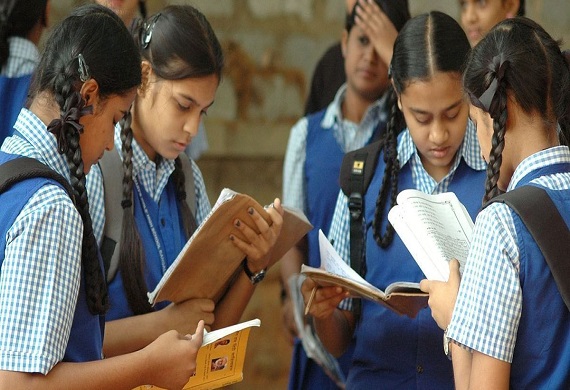

According to UNESCO’s 2021 State of the Education Report for India: No Teachers, No Class, around 1.1 lakh schools in India are single-teacher entities. 69 per cent of the teaching positions in schools are in rural areas and 19 per cent of positions lie vacant. UNESCO recommends revamping their working conditions in villages, improving the terms of employment of teachers and recognising teachers as frontline workers.
The Covid-19 impact:
7.7 per cent pre-primary, 4.6 per cent primary and 3.3 per cent upper-primary teachers are underqualified, shows the report. It states in its executive summary: “The ongoing Covid-19 pandemic has further highlighted the role played by teachers and quality teaching in ensuring meaningful education and resilient education systems. Women account for about 50 per cent of the teaching workforce (in India), but there are significant inter-state and urban-rural variations.”
Uttar Pradesh (3.3 lakh), Bihar (2.2 lakh) and West Bengal (1.1 lakh) are the three states with over one lakh vacancies. With 21,077 MP has the highest number of single-teacher schools. Most of the vacancies are in rural schools. In Bihar, 89 per cent of vacancies are in villages, in UP, 80 per cent and West Bengal, the figure is 69 per cent. 7 per cent of schools are single-teacher schools at the national level. In Goa and Telangana, at least 16 per cent were managed by one teacher in each school. In Jharkhand, Madhya Pradesh and Uttarakhand 14 per cent of the total number of schools were single-teacher schools.
Lack of qualified teachers:
According to the Unified District Information System for Education report, there is a marked rural-urban disparity and a need to improve deployment and availability of qualified teachers in the northeast.
On teacher’s qualification, the Unesco report shows that 1 per cent of higher secondary, 3 per cent of secondary, 13 per cent of upper primary, 8 per cent of primary, and 16 per cent of primary teachers are underqualified in Bihar. The report recommends restructuring preservice professional development, building teachers career pathways and strengthening curricular and pedagogical reform and provide meaningful ICT training.
As per the findings, “while teacher availability has improved, pupil-teacher ratios are adverse in secondary schools. There’s no information on availability of special education, music, arts and physical education teachers. The availability and deployment of subject teachers too, is not well documented and monitored. Almost all single-teacher schools are in rural areas, and the provisions of school libraries and information and communications technology infrastructure are very low.”
The report documents “the need (for teachers) is likely to grow, given their shortages in certain education levels and subjects such as early childhood education, special education, physical education, music, arts and curricular streams of vocational education in 15 years, (as) about 30 per cent of the current workforce will need to be replaced.”
The report will be crucial for policymakers and academics at a time when India is gradually rolling out the new education policy with several structural reforms.
“The national PTR average for all schools was 26:1 in 2018/19 (UDISE), and ranged from 23:1 for elementary schools to 28:1 in composite schools. These PTRs look well within the norm suggested by the RTE (Right To Education) Act at the country level, but does not indicate if the PTR is met at school level. Among primary-only schools, 22 per cent of them have PTRs greater than 30:1. On the whole, secondary and senior secondary schools have PTRs between 43:1 and 47:1,” the report said.
Contractual teaching jobs:
Unesco said contractual rather than regular teacher’s jobs “presents further complexity” and the problem is equally alarming in both private and government schools. “The overall proportion of teachers in private schools who report working with no job contract is alarmingly high at 69 per cent,” the report said.
“In the government sector, the overall number of school teachers with contracts of more than three years’ duration is a high 67 per cent. However, 28 per cent of primary and secondary school teachers are found to be working with no contract. In the early childhood education sector, only 49 per cent of teachers report having contracts of longer duration than three years, while 35 per cent report having no contracts. In the special education sector, only 13 per cent report having contracts of more than 3 years’ duration, and 80 per cent have no contracts,” the report showed.
10-15 per cent schools in several states were single-teacher institutions according to the report. It also showed that contractualization in teaching jobs is creating remuneration disparity and making the situation complex.
The data shows the alarming shortage of teachers in India. Lakhs of teacher’s vacancies remain unfulfilled at a time when unemployment is a rifle. The government needs to develop a powerful strategy on education as Benjamin Franklin said, an investment in knowledge pays the best interest.
Current Issue

Most Viewed
- 1 Talented Indian Female Actors Who Also Moonlight as Successful Producers
- 2 7 Indian Female Podcasters You Must Know About
- 3 7 Powerful Independent Indian Women Journalists Who are Voices of Change
- 4 Ruchikaa Kapoor Sheikh: The Creative Mind Behind Netflix India's Popular Shows
- 5 7 Most Influential Women Educators India has had over the Years
- 6 11 Breakthrough Female Faces Ruling the Indian OTT Platforms
- 7 8 Timeless Female Indian Classical Dancers & their Legacy
- 8 Women's Health Startup HerMD Closing Doors Amid Industry Challenges
- 9 Real Meets Reel: A List of 11 Indian Movies based on Real Women
- 10 Rasha Hassan: A Visionary Leader On A Mission To Transform Dubai's Real Estate Landscape
- 11 5 Indian Women-led IPOs You Must Know About
- 12 11 of the Most Iconic 21st Century Women to become "The First Indian Woman"
- 13 India's 7 Funniest Women Stand-Up Comics You Must Follow
- 14 Aparna Purohit : Leading India's Most Popular OTT Platforms
- 15 How Leaders Can Balance Risk & Innovation in Today's Banking Landscape
- 16 Dr. K. Shilpi Reddy: Sculpting Healthier Futures For The Next Generation With Reforms In Obstetrics Care
- 17 Sylvia Dcosta: A Visionary Business Leader Pushing The Limits And Setting High Professional Standards
- 18 Top 5 All-Rounder Women Cricketers of India
- 19 How Tata AIA is Empowering Women with Insurance That Understands Their Needs


