


Leadership is often associated with defining moments, a breakthrough decision, a successful turnaround, or a bold strategic move that reshapes an organisation. Yet, the most accomplished CXOs know that extraordinary success rarely comes from isolated moments of brilliance. Instead, it is built through consistent habits practised every day, long before critical decisions are made.
Walk into any boardroom occupied by an exceptional executive, and one thing quickly becomes clear: the real work happens outside the meeting itself. It begins with disciplined preparation, continuous reflection, thoughtful conversations, and a commitment to learning that extends far beyond formal training. The habits leaders cultivate during ordinary days determine how they respond when extraordinary situations arise.
History offers countless examples of this principle. Kiran Mazumdar-Shaw built Biocon from a modest enzyme manufacturing start-up into one of Asia's leading biotechnology companies through relentless discipline, scientific curiosity, and long-term thinking. Similarly, Roshni Nadar Malhotra has demonstrated that sustainable leadership requires balancing commercial success with purpose, consistently integrating people, innovation, and responsibility into strategic decision-making.
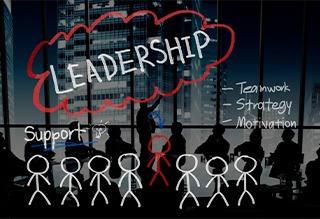
Their journeys reflect a broader transformation in leadership. India is witnessing a steady rise in women occupying CEO and executive leadership positions across industries, while Indian-origin women continue to make their mark on the global business stage. Although every leadership journey is unique, the habits that enable sustained success remain remarkably consistent.
Great leaders do not simply react to challenges; they prepare for them through daily behaviours that strengthen judgement, resilience, and influence over time. These habits shape organisational culture, inspire teams, and enable leaders to navigate uncertainty with confidence.
The Women Entrepreneurs Review Team highlights seven leadership habits consistently demonstrated by successful women CXOs, supported by insights from accomplished business executives who have built their careers through deliberate practice rather than chance.
1. Hold Yourself Accountable Before Others Do
Outstanding leaders rarely wait for formal reviews or external validation to measure their performance. Instead, they establish their own standards, assess their progress honestly, and continuously look for ways to improve.
Self-accountability creates ownership. Rather than attributing setbacks to external circumstances, accountable leaders examine what they could have done differently and identify practical improvements. This habit strengthens resilience because it shifts attention from blame towards growth.
Leaders who consistently evaluate themselves also become more agile decision-makers. Regular reflection enables them to identify recurring patterns, recognise blind spots, and make better strategic choices before small issues develop into significant challenges. Perhaps most importantly, self-accountability builds credibility. Teams are far more likely to embrace responsibility when they see their leaders holding themselves to equally high standards.
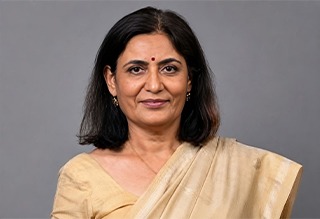
As Apurva Purohit, Co-Founder, Aazol, explains:
"One of the best things that happened to me is that from an early age, no one did my KRAs or appraisals for me. So, I developed my own version of setting KRAs for myself and seeing how I performed against them. It helped strengthen my internal monitoring mechanism strongly."
Her experience demonstrates that the strongest performance management system often begins internally. Leaders who regularly assess themselves become less dependent on external feedback and more committed to continuous improvement.
2. Lead with Empathy That Creates Opportunity
Empathy has evolved from a soft leadership quality to a strategic advantage. Effective leaders understand that genuine empathy goes beyond compassion; it enables better decisions by revealing the realities people face.
Empathetic leaders listen with curiosity rather than assumption. They invest time in understanding individual challenges, aspirations, and motivations, allowing them to create environments where people can perform at their best.
This approach builds trust across organisations. Employees who feel understood are more engaged, more willing to contribute ideas, and more committed to organisational goals. Empathy also improves innovation. Diverse perspectives emerge when people feel psychologically safe to express different viewpoints without fear of judgment.

As Deepti Chhabria, Director, Aerome, observes:
"Empathy is not simply about being kind; it is about being perceptive. When you truly understand the constraints people are navigating, you can create better opportunities for them. That is where real economic independence begins."
Her perspective reminds leaders that empathy is ultimately about creating meaningful opportunities rather than simply offering support.
3. Build Influence Through Perspective, Not Position
Authority may come with a job title, but influence is earned through insight, consistency, and thoughtful judgment.
Highly respected leaders do not rely solely on organisational hierarchy to inspire action. Instead, they contribute valuable perspectives that help teams navigate complexity, solve problems, and identify opportunities others may overlook.
Perspective develops through curiosity, broad learning, and diverse experiences. Leaders who actively seek different viewpoints become better equipped to make balanced decisions, especially during periods of uncertainty. This approach also strengthens collaboration. When leaders encourage open dialogue rather than simply directing outcomes, they create stronger engagement and more sustainable organisational alignment.
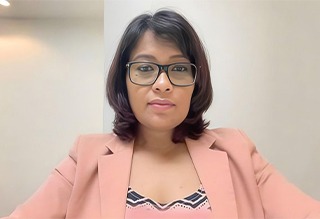
As Rakhee Dhar, Director, Victoria's Secret, explains:
"I realized sustainable leadership requires something more intentional and human. There's a difference between being respected for skill and being recognized for perspective."
Her insight highlights an important distinction. Technical expertise may earn professional respect, but a thoughtful perspective inspires long-term influence.
4. Balance Technology with Human Leadership
Technology continues to transform every aspect of modern business. Artificial intelligence, automation, and digital transformation have become essential competitive advantages. However, successful leaders recognise that technology alone cannot replace human judgement, ethics, or emotional intelligence.
The strongest organisations combine technological innovation with human-centred leadership. Rather than viewing automation as a substitute for people, they use it to enhance decision-making, improve efficiency, and enable employees to focus on higher-value work.
This balance becomes especially important during periods of rapid change. Employees need guidance, reassurance, and opportunities to develop new capabilities as technology evolves. Leaders who successfully integrate innovation with empathy build organisations that remain adaptable without losing their cultural foundation.
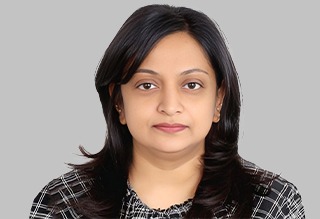
As Mridula Rai, Director & Head of HR, LabCorp, explains:
"The most successful organizations in the AI era will not be those that automate the most, but those that combine technology with deeply human leadership, ethical design, and continuous learning cultures."
Her observation reinforces that sustainable success depends on keeping people at the centre of technological transformation.
5. Make Learning Part of Everyday Work
Continuous learning has become one of the defining characteristics of successful leaders. In rapidly changing business environments, knowledge quickly becomes outdated, making daily learning more valuable than occasional training programmes.
The most effective executives treat learning as an ongoing discipline rather than a scheduled activity. They actively seek feedback, read widely, remain curious about emerging trends, and encourage experimentation throughout their organisations.
Embedding learning into everyday work also creates stronger organisational resilience. Teams that continuously develop new capabilities adapt more effectively to changing customer expectations, market conditions, and technological advancements.
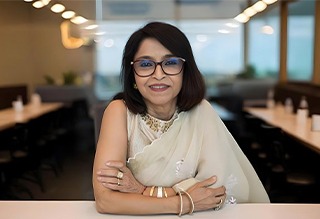
As Achal Khanna, CEO – SHRM India, APAC & MENA, states:
"Learning can't remain a periodic event; it has to become embedded in the daily flow of work."
His perspective reflects the reality that sustainable organisational growth depends on making learning a continuous habit rather than an occasional initiative.
6. Lead with Values While Elevating Others
Successful leaders understand that long-term influence is built on values rather than visibility. They consistently align their decisions with integrity, fairness, and purpose, even when facing difficult choices.
Values-based leadership creates organisational consistency. Employees gain confidence when they understand the principles guiding leadership decisions, particularly during periods of uncertainty.
Equally important is the willingness to develop future leaders. Exceptional executives measure success not only by personal achievements but also by the opportunities they create for others. Mentoring, coaching, and actively supporting emerging talent strengthen organisational capability while building lasting leadership legacies.

As Victoria Bethlehem, Group HR Director, Education in Motion, explains:
"Women leaders create the greatest impact when they combine clarity, consistency, and values-based leadership. It's also about being commercially astute, people-focused, and willing to challenge the status quo while still lifting others as you rise."
Her insight illustrates that values and commercial success are not competing priorities; they reinforce one another.
7. Take Calculated Risks for Greater Impact
Every successful organisation has benefited from leaders willing to challenge conventional thinking. However, effective leaders distinguish between reckless decisions and carefully evaluated risks.
Calculated risk-taking begins with preparation. Leaders gather information, analyse possible outcomes, and assess both opportunities and potential consequences before making important decisions.
They also recognise that avoiding every risk often carries its own cost. Innovation, market expansion, and business transformation all require leaders willing to move beyond familiar approaches when evidence supports change.
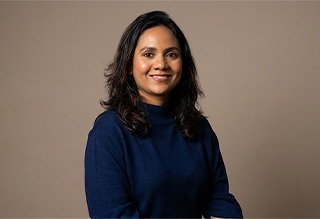
As Swati Saboo, Co-Founder, Scrabble, explains:
"Taking small and calculated risks, leveraging deep industry insights, and going after maximising the potential for big impact will always pave the way for people who take the road less travelled."
Her perspective demonstrates that sustainable growth often begins with carefully considered decisions that gradually create significant long-term impact.
A single achievement rarely defines leadership excellence. Instead, it emerges through consistent habits that shape how leaders think, communicate, and respond every day. Self-accountability strengthens personal discipline, empathy builds stronger teams, perspective creates influence, continuous learning drives adaptability, values inspire trust, technology enhances capability, and calculated risks unlock future opportunities.
Current Issue

Most Viewed
- 1 Talented Indian Female Actors Who Also Moonlight as Successful Producers
- 2 7 Indian Female Podcasters You Must Know About
- 3 7 Powerful Independent Indian Women Journalists Who are Voices of Change
- 4 Ruchikaa Kapoor Sheikh: The Creative Mind Behind Netflix India's Popular Shows
- 5 7 Most Influential Women Educators India has had over the Years
- 6 11 Breakthrough Female Faces Ruling the Indian OTT Platforms
- 7 8 Timeless Female Indian Classical Dancers & their Legacy
- 8 Women's Health Startup HerMD Closing Doors Amid Industry Challenges
- 9 Real Meets Reel: A List of 11 Indian Movies based on Real Women
- 10 Rasha Hassan: A Visionary Leader On A Mission To Transform Dubai's Real Estate Landscape
- 11 5 Indian Women-led IPOs You Must Know About
- 12 11 of the Most Iconic 21st Century Women to become "The First Indian Woman"
- 13 India's 7 Funniest Women Stand-Up Comics You Must Follow
- 14 Aparna Purohit : Leading India's Most Popular OTT Platforms
- 15 How Leaders Can Balance Risk & Innovation in Today's Banking Landscape
- 16 Dr. K. Shilpi Reddy: Sculpting Healthier Futures For The Next Generation With Reforms In Obstetrics Care
- 17 Sylvia Dcosta: A Visionary Business Leader Pushing The Limits And Setting High Professional Standards
- 18 Top 5 All-Rounder Women Cricketers of India
- 19 How Tata AIA is Empowering Women with Insurance That Understands Their Needs


