
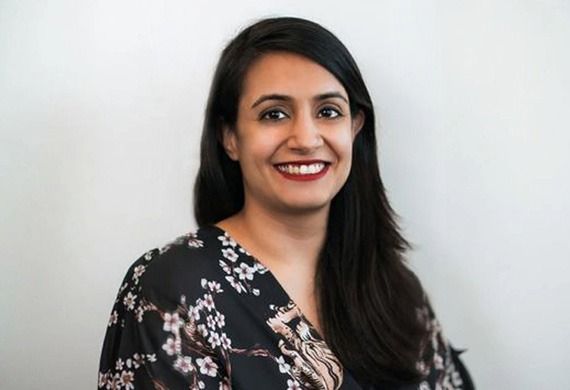

In conversation with Charulatha M, Senior Correspondent at Women Entrepreneurs Review International Magazine Shraddha Shankar, Vice President, Global Personal Health Care, Procter & Gamble, shares thoughtful insights on how digitalization, shifting consumer expectations, AI-driven innovation, and responsible leadership are reshaping the personal health care landscape. Drawing insights from her global experience, she highlights emerging trends, strategic growth approaches, and the mindset needed to build resilient, consumer-centric brands.
Shraddha is a global business and brand leader with 20 years of experience driving multi-billion-dollar portfolios across healthcare, baby care, and beauty care and having lived and worked across the US, Asia, and Europe in multiple expatriate roles, she brings a global perspective to creating and scaling new billion-dollar categories, building iconic brands, managing end-to-end businesses with P&L responsibility and leading complex organizational restructuring.
To learn more about Shraddha’s perspectives on innovation, leadership, and the future of personal health care, read the full interview below.
How do you see the current global shift toward digitalization and e-commerce impacting traditional personal health care markets? What emerging trends should companies be preparing for?
The digital shift has transformed how consumers think about health — they now expect both personalization and convenience. People no longer view personal health care as isolated purchases but as part of a continuous journey they can manage and control.
We see this globally in distinct ways — from the explosive rise of quick commerce in India, where consumers demand instant access to trusted products, to TikTok Shop and social commerce in the U.S., where discovery, education, and purchase are converging. At the same time, the widespread adoption of fitness wearables and digital health platforms reflects consumers’ growing desire to own their health outcomes — to track, measure, and optimize wellbeing in real time.
For companies, this means re-imagining business models around connected ecosystems that integrate digital diagnostics, behavioral nudges, and omnichannel access. The next frontier is predictive wellness — using AI and health data to anticipate needs before symptoms appear, shifting the category from reactive care to proactive wellbeing.
In your experience managing businesses with P&L responsibility across diverse regions, what key financial strategies have been essential for navigating volatile markets while driving growth?
Having led businesses across the U.S., Europe, and Asia, I’ve learned that the most important financial discipline is to stay relentlessly focused on the consumer problem to solve — and to ensure your brand delivers a superior, distinctive solution. When consumers see a clear reason to choose your brand, it earns pricing power, loyalty, and resilience even amid volatility.
From there, two principles guide my approach: agility and foresight.
Agility means designing business models that flex quickly — whether optimizing pack-price architecture, adapting communication to shifting behaviors, or rebalancing cost structures during market shocks. In high-inflation or currency-volatile markets, we built modular sourcing systems that allowed rapid response without sacrificing consumer value or brand equity.
Foresight is about balancing near-term delivery with long-term brand health — protecting investment in innovation, equity, and capability building even during downturns. Practically, this often meant reallocating resources from traditional media to performance-led digital engagement, ensuring every dollar built both immediate demand and enduring strength.
Ultimately, financial stewardship is not about weathering volatility — it’s about creating the conditions for sustained growth by staying close to consumers, moving fast, and investing ahead of the curve.
With your expertise in regional and global innovation, how do you approach expanding into whitespace geographies and market segments that have low penetration in personal care products?
Across my career leading businesses in both developed and developing markets, I’ve found that whitespace growth begins with understanding unmet human needs, not just unfilled market gaps. The most durable growth comes when brands meet those needs in a superior, accessible, and locally relevant way.
In developing markets, unmet needs often center on accessibility, affordability, and education — enabling first-time users to experience quality care. In developed markets, whitespace tends to emerge from evolving tensions such as personalization, convenience, or sustainability. In both cases, the principle remains the same: meet people where they are and solve what truly matters to them.
When we launched Pampers Pants across 50+ countries, success came from tailoring the proposition to each market’s reality — simplifying communication and formats in developing markets while highlighting convenience and lifestyle benefits in developed ones. Similarly, expanding Vicks into new sub-segments required pairing scientific credibility with emotional resonance to build trust.
Whitespace expansion is ultimately about building trust and habit over time — educating, enabling, and elevating consumers. When brands serve genuine human needs, they don’t just gain share; they grow categories and improve lives.
How do you envision the integration of AI and data analytics in revolutionizing e-commerce and digital marketing strategies in the personal health care industry?
I see AI and data analytics as powerful enablers of human-centered health care — tools that allow brands to understand, serve, and empower consumers at a level of personalization that was previously impossible.
In personal health care, this integration is already redefining how we engage consumers — from predictive recommendations that anticipate needs to precision content that adapts to emotional and behavioral signals. But the real opportunity is to use AI not just to optimize performance, but to amplify empathy: helping consumers make better decisions, manage their wellbeing, and feel understood versus data thrown at them.
Across my global experience, I’ve seen this evolution accelerate in different ways — from digital-first health ecosystems in Asia, where AI-driven chat and e-commerce platforms personalize self-care journeys, to Western markets, where data analytics are redefining consumer segmentation and experience design.
Looking ahead, the integration of AI with connected devices, wearables, and digital therapeutics will allow brands to become partners in proactive wellness — not just sellers of products, but guides in daily health management.
The future of marketing in personal health care will be one where data, design, and empathy come together to make every consumer interaction meaningful, personalized, and purposeful.
You’ve successfully built diverse and winning teams; what specific leadership traits do you prioritize when leading teams across multiple continents with varied market dynamics and challenges?
I’ve learned that leadership in global, multicultural environments requires both depth and conviction — the ability to lead with knowledge and lead with courage.
Leading with knowledge means being deeply immersed in your consumer, category, and data. I believe credibility comes from being close to the work — understanding what drives consumers’ choices, what barriers exist in the marketplace, and what insights sit within the data. When leaders are grounded in that knowledge, they make better decisions, ask sharper questions, and inspire confidence in their teams. It also creates a culture of curiosity and learning — one where people are encouraged to understand the “why” behind every action.
Leading with courage means having the conviction to make bold calls, especially in moments of ambiguity, and to guide teams toward a bigger mission even when the path isn’t fully clear. Courage is about challenging conventional thinking, taking calculated risks, and standing by your principles — whether that’s pushing for innovation, transforming a business model, or advocating for inclusion and equality.
When knowledge and courage intersect, teams gain both clarity and confidence. They move faster, collaborate better, and innovate with purpose. That balance — intellectual rigor and emotional conviction — is the culture I strive to create.
LAST WORD: Balancing innovation with responsibilityin shaping future personal health careproduct portfolios
At their core, consumers choose products that solve real problems — that make them feel or live better. The first duty of any personal health care brand is to deliver superior performance, trust, and usability. Sustainability creates enduring value only when it enhances that experience, making solutions not just greener, but better.
The most exciting opportunities in responsible innovation make sustainability functional and intuitive — materials, designs, and systems that improve convenience and performance while reducing impact. Examples include lighter recyclable packs that are easier to use, or refill formats that save both waste and cost.
In my experience, the brands that lead treat sustainability as a design challenge, not a compliance goal — embedding it early in product and experience creation. When done right, responsibility doesn’t constrain growth; it amplifies it, by making products more relevant, more delightful, and more worthy of consumer trust.
Current Issue
Most Viewed
- 1 Talented Indian Female Actors Who Also Moonlight as Successful Producers
- 2 7 Indian Female Podcasters You Must Know About
- 3 7 Powerful Independent Indian Women Journalists Who are Voices of Change
- 4 Ruchikaa Kapoor Sheikh: The Creative Mind Behind Netflix India's Popular Shows
- 5 7 Most Influential Women Educators India has had over the Years
- 6 11 Breakthrough Female Faces Ruling the Indian OTT Platforms
- 7 8 Timeless Female Indian Classical Dancers & their Legacy
- 8 Women's Health Startup HerMD Closing Doors Amid Industry Challenges
- 9 Real Meets Reel: A List of 11 Indian Movies based on Real Women
- 10 Rasha Hassan: A Visionary Leader On A Mission To Transform Dubai's Real Estate Landscape
- 11 5 Indian Women-led IPOs You Must Know About
- 12 11 of the Most Iconic 21st Century Women to become "The First Indian Woman"
- 13 India's 7 Funniest Women Stand-Up Comics You Must Follow
- 14 Aparna Purohit : Leading India's Most Popular OTT Platforms
- 15 How Leaders Can Balance Risk & Innovation in Today's Banking Landscape
- 16 Dr. K. Shilpi Reddy: Sculpting Healthier Futures For The Next Generation With Reforms In Obstetrics Care
- 17 Sylvia Dcosta: A Visionary Business Leader Pushing The Limits And Setting High Professional Standards
- 18 Top 5 All-Rounder Women Cricketers of India
- 19 How Tata AIA is Empowering Women with Insurance That Understands Their Needs


