


When the Rain Arrives, Your Skincare Routine Should Change Too!
Monsoon in India brings welcome relief from scorching temperatures, but it also introduces an entirely different challenge for the skin. As humidity levels frequently climb above 80 per cent across much of the country, dermatology clinics witness a noticeable rise in patients struggling with seasonal skin concerns. Acne breakouts, fungal infections, excessive oiliness, clogged pores, and persistent itching become increasingly common, transforming what many consider a refreshing season into one of the busiest periods for skin specialists.
The science behind this seasonal surge is well established. Warm temperatures combined with excessive moisture create the ideal environment for fungi, bacteria, and excess sebum production. Dermatophytosis, the fungal infection responsible for conditions such as ringworm and athlete's foot, already affects millions of people living in India's tropical climate, while the rainy season further accelerates its spread. At the same time, prolonged dampness weakens the skin's natural protective barrier, making it more vulnerable to irritation, inflammation, and infections.
For working women, entrepreneurs, and professionals constantly moving between humid outdoor conditions and air-conditioned offices, maintaining healthy skin becomes particularly challenging. Long commutes through rain-soaked streets, sweat trapped beneath clothing, and prolonged exposure to moisture all contribute to recurring skin issues that often disrupt confidence and comfort.
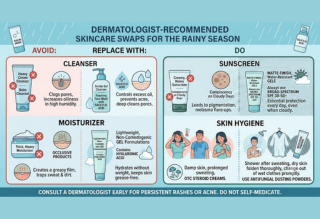 Many people respond by layering additional skincare products, believing that more hydration or stronger treatments will solve the problem. Dermatologists, however, recommend the opposite approach. The rainy season calls for lighter textures, simplified routines, and better hygiene practices rather than an overload of products. Swapping heavy formulations for breathable alternatives can significantly reduce the risk of acne, fungal infections, and irritation while helping the skin remain balanced throughout the season.
To understand the most effective skincare adjustments, the Women Entrepreneurs Review team spoke with leading dermatologists who regularly treat monsoon-related skin concerns. Dr Monisha Madhumita, MD (Dermatology), Assistant Professor of Dermatology, Saveetha Medical College, Chennai, and Founder & Chief Dermatologist, Mélan & Stride Clinic; Dr Manisha Mareddy, Founder, Shlok Dermatology & Wellness Clinic, Hyderabad, and Expert in Advanced, Interventional & Holistic Dermatology; and Dr Shama Naaz, Co-Founder & Consultant Dermatologist, Clarion Clinic, and Consultant Dermatologist, CK Birla Hospital, share their expert recommendations on the skincare swaps that can help prevent seasonal breakouts, fungal infections, excess oil and pigmentation, ensuring your skin stays healthy, balanced and resilient throughout the rainy season.
"Rather than Adding More Products, Make a Few Smart Swaps": Dr Monisha Madhumita
One of the biggest skincare mistakes during the rainy season is continuing to use the same products that worked during winter or summer. According to Dr Monisha Madhumita, humidity, sweating, and prolonged dampness create the perfect conditions for clogged pores, acne, and fungal infections. Instead of expanding your skincare routine, she advises making thoughtful seasonal changes that better suit humid weather.
1. Switch to a Gel-Based Cleanser to Control Oil and Prevent Acne
The rainy season creates the perfect conditions for excess sebum production, sweat retention, and fungal overgrowth, making acne, clogged pores, and skin irritation far more common. Switching from heavy cream or balm cleansers to gentle gel-based or foaming face washes, particularly those formulated with salicylic acid, helps remove excess oil, unclog pores, and minimise breakouts without compromising the skin's natural moisture barrier.
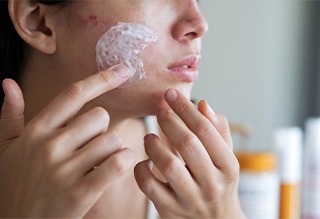
"Swap Heavy Cream Cleansers for Gentle Foaming Face Washes with Salicylic Acid": Dr Shama Naaz
Unlike richer formulations, lightweight cleansers leave the skin feeling fresh, clean, and balanced, making them ideal for humid weather. Cleansing the face twice daily helps remove accumulated dirt, sweat, and impurities while preventing congestion. Adopting lightweight skincare products specifically designed for the monsoon can significantly reduce seasonal skin concerns and keep the skin healthy, balanced, and comfortable throughout the rainy season.
2. Replace Thick Moisturisers with Lightweight Gel Formulations
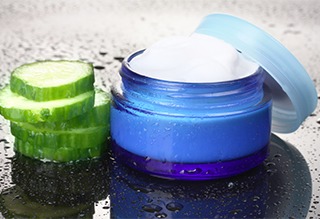
Many people stop moisturising during the monsoon because the weather already feels humid. However, skipping moisturiser can weaken the skin barrier and encourage the skin to produce even more oil. Instead, replace heavy cream-based moisturisers with lightweight, non-comedogenic gel formulations. These products hydrate effectively without trapping sweat and impurities on the skin.
Gel moisturisers containing ingredients such as hyaluronic acid provide lasting hydration while maintaining a breathable finish. They also reduce the likelihood of clogged pores, making them ideal for acne-prone skin during humid weather.
3. Use Sunscreen Every Day, Even When the Sky Is Cloudy
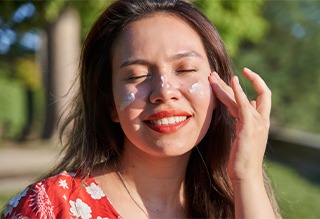
Many people believe sunscreen is unnecessary once the skies become cloudy. However, ultraviolet rays continue to penetrate cloud cover and contribute to pigmentation and premature ageing.
"Continue Using a Broad-Spectrum SPF 30–50 Sunscreen, Even on Cloudy Days": Dr Monisha Madhumita
Daily application of a broad-spectrum sunscreen with SPF 30 to SPF 50 remains essential throughout the rainy season. People living with melasma, freckles, or post-inflammatory pigmentation are especially vulnerable to flare-ups when they neglect sun protection.
Gel-based, matte-finish, and water-resistant sunscreens work particularly well during monsoon because they absorb quickly, feel lightweight, and remain effective despite increased sweating or occasional rain exposure. Applying sunscreen every morning and reapplying during prolonged outdoor exposure should remain a non-negotiable step in every skincare routine.
4. Choose Ingredients That Balance Oil Without Irritating the Skin
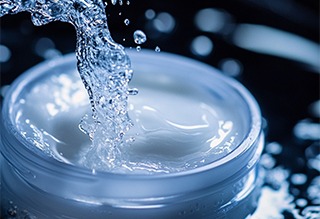
According to Dr Manisha Mareddy, the rainy season leads to excess oil production, clogged pores, acne flare-ups, and fungal infections. She recommends replacing rich skincare products with lighter alternatives that allow the skin to breathe while remaining properly hydrated.
"Keep the Skin Light and Grease-Free": Dr Manisha Mareddy
Humidity often causes the skin to produce excessive oil, making it important to select ingredients that regulate sebum without damaging the skin barrier.
Salicylic acid remains one of the most effective ingredients for oily and acne-prone skin because it exfoliates inside the pores and helps prevent blackheads and inflammatory acne.
Niacinamide is another excellent ingredient for monsoon skincare. It regulates oil production, calms inflammation, strengthens the skin barrier, and improves overall skin texture. Those with sensitive skin should avoid introducing multiple active ingredients simultaneously, as a simplified routine often delivers better results.
5. Maintain Proper Skin Hygiene Throughout the Day
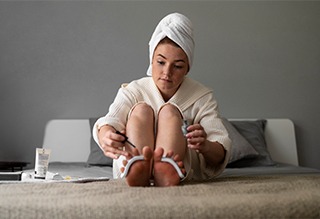
Good skincare extends beyond choosing the right products. Dr Manisha Mareddy emphasises that maintaining proper skin hygiene is equally important during the rainy season. With increased humidity encouraging sweat retention and bacterial growth, a consistent cleansing routine can significantly reduce the risk of acne, irritation, and fungal infections.
"Skin Hygiene Is Very Important, Especially During the Monsoon Season": Dr Manisha Mareddy
Skincare products alone cannot protect the skin if daily hygiene habits are neglected. During the rainy season, sweat and moisture remain trapped against the skin for longer periods, creating favourable conditions for bacterial and fungal growth.
Cleansing the face twice daily helps remove accumulated oil, sweat, and environmental pollutants without stripping the skin's natural barrier. Following cleansing with a lightweight moisturiser and broad-spectrum sunscreen helps maintain hydration while protecting the skin from ultraviolet damage.
Equally important is showering after excessive sweating, especially after commuting, exercising, or spending extended periods outdoors. Changing out of damp clothing promptly and thoroughly drying the body after bathing prevents prolonged moisture exposure, reducing the likelihood of fungal infections and skin irritation. Simple hygiene habits often prove just as valuable as skincare products in maintaining healthy skin throughout the monsoon.
6. Keep Skin Folds Dry to Reduce the Risk of Fungal Infections
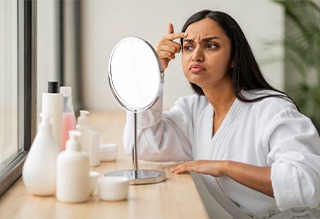
Warm, damp conditions create the ideal environment for fungal infections, particularly in body folds such as the underarms, groin, beneath the breasts, and between the toes. Keeping these areas clean and completely dry remains one of the most effective preventive measures. Wearing breathable cotton clothing improves air circulation while reducing sweat retention compared to synthetic fabrics.
Individuals prone to recurring fungal infections may also benefit from using antifungal dusting powders to absorb excess moisture throughout the day. Thick occlusive creams should be avoided in these areas because they trap moisture and encourage fungal growth rather than preventing it. These small lifestyle adjustments can greatly reduce the risk of recurrent fungal infections during the rainy season.
7. Avoid Steroid Combination Creams Without Medical Advice

Many people attempt to treat itchy rashes with over-the-counter creams, believing they offer a quick solution. However, self-medication often delays appropriate treatment and can worsen underlying fungal infections.
"Consult a Dermatologist Early for Persistent Rashes Rather Than Self-Medicating": Dr Shama Naaz
Over-the-counter steroid combination creams may temporarily relieve redness and itching, but they often suppress the skin's natural immune response instead of treating the underlying infection. When fungal infections are present, these creams can allow the infection to spread further, making treatment more complicated and increasing the likelihood of recurrence.
Persistent itching, redness, or unexplained rashes should always be assessed by a qualified dermatologist. Early diagnosis enables targeted treatment and prevents minor skin concerns from developing into chronic conditions.
8. Protect Sensitive Skin with a Minimalist Routine
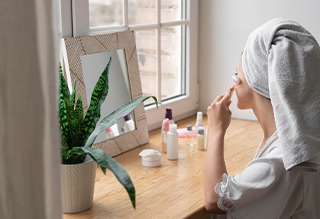
People with sensitive skin often experience increased irritation during humid weather because the skin barrier becomes more vulnerable to environmental changes. A simple skincare routine consisting of fragrance-free cleansers, lightweight moisturisers, and gentle sunscreens is often more effective than using multiple active ingredients simultaneously. Reducing unnecessary products helps minimise redness, dryness, and allergic reactions while allowing the skin to remain balanced throughout the season. Consistency is more beneficial than complexity when caring for sensitive skin during the monsoon.
Healthy Monsoon Skin Starts with the Right Seasonal Swaps
Adapting your skincare routine to seasonal changes is one of the most effective ways to protect your skin during the rainy months. Replacing heavy cleansers and moisturisers with lightweight formulations, using sunscreen every day, incorporating oil-balancing ingredients, maintaining proper skin hygiene, and seeking timely medical advice for persistent skin concerns can significantly reduce the risk of acne, fungal infections, and irritation.
As Dr Monisha Madhumita, Dr Manisha Mareddy, and Dr Shama Naaz emphasise, effective monsoon skincare is not about adding more products but choosing smarter ones that suit humid conditions. With a few thoughtful seasonal swaps and consistent skincare habits, you can keep your skin healthy, balanced, and comfortable throughout the monsoon.
(This article is part of a dedicated ‘Indian Monsoons & Women’ series on the Women Entrepreneurs Review platform. Stay tuned for the next article.)
Current Issue

Most Viewed
- 1 Talented Indian Female Actors Who Also Moonlight as Successful Producers
- 2 7 Indian Female Podcasters You Must Know About
- 3 7 Powerful Independent Indian Women Journalists Who are Voices of Change
- 4 Ruchikaa Kapoor Sheikh: The Creative Mind Behind Netflix India's Popular Shows
- 5 7 Most Influential Women Educators India has had over the Years
- 6 11 Breakthrough Female Faces Ruling the Indian OTT Platforms
- 7 8 Timeless Female Indian Classical Dancers & their Legacy
- 8 Women's Health Startup HerMD Closing Doors Amid Industry Challenges
- 9 Real Meets Reel: A List of 11 Indian Movies based on Real Women
- 10 Rasha Hassan: A Visionary Leader On A Mission To Transform Dubai's Real Estate Landscape
- 11 5 Indian Women-led IPOs You Must Know About
- 12 11 of the Most Iconic 21st Century Women to become "The First Indian Woman"
- 13 India's 7 Funniest Women Stand-Up Comics You Must Follow
- 14 Aparna Purohit : Leading India's Most Popular OTT Platforms
- 15 How Leaders Can Balance Risk & Innovation in Today's Banking Landscape
- 16 Dr. K. Shilpi Reddy: Sculpting Healthier Futures For The Next Generation With Reforms In Obstetrics Care
- 17 Sylvia Dcosta: A Visionary Business Leader Pushing The Limits And Setting High Professional Standards
- 18 Top 5 All-Rounder Women Cricketers of India
- 19 How Tata AIA is Empowering Women with Insurance That Understands Their Needs


