
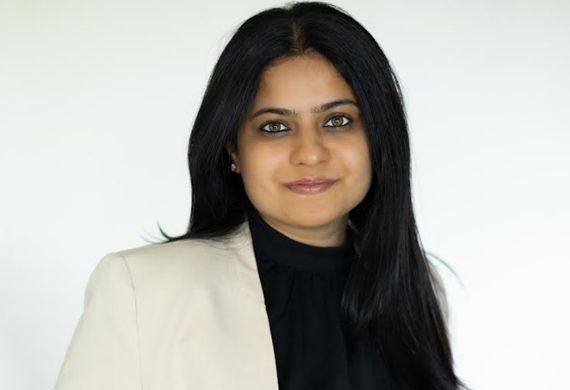

Runam Mehta is a seasoned professional with over 15 years in the Indian healthcare sector. A trained physiotherapist, she previously served over seven years at Portea Medical and founded Work Ergonomics. Runam champions diversity, inclusion, and female representation in healthcare innovation.
In a recent conversation with Women Entrepreneurs Review Magazine, Runam articulates her perspective on industry leader’s pivotal role in advancing gender diversity and empowerment in traditionally male-dominated sectors, highlighting impactful innovations in medical equipment that enhance gender inclusivity in both product development and market outreach. She emphasizes key metrics essential for gauging progress towards gender equality and empowerment in manufacturing.
As a woman CEO in medical equipment manufacturing, how do you see the role of industry leaders in promoting gender diversity and empowerment within traditionally male-dominated sectors?
As a woman CEO in medical equipment manufacturing, I believe industry leaders play a crucial role in promoting gender diversity and empowerment. Globally, women hold only 28% of leadership roles in the healthcare sector. Leaders can address this by setting clear diversity goals and implementing inclusive hiring practices. Additionally, fostering a culture of mentorship can help bridge the gender gap. Leaders must advocate for policies addressing gender biases and providing equal opportunities for growth. By doing so, industry leaders can create an environment where women can thrive, contributing to innovation and competitiveness within the sector.
From your perspective, what are some innovative approaches or technologies emerging in the medical equipment sector that have been particularly impactful in promoting gender inclusivity, both in product development and market outreach?
In the medical equipment sector, innovative approaches and technologies have significantly promoted gender inclusivity. For example, digital health initiatives, which are growing at a rate of 27.7% annually, have expanded healthcare access for women, particularly in underserved areas. Additionally, gender-sensitive product development, driven by increasing demand for women-specific health solutions, ensures products meet the unique needs of women.
How can collaboration between women CEOs and other industry leaders be leveraged to drive systemic change towards greater gender parity and empowerment in medical equipment manufacturing?
Collaboration between women CEOs and industry leaders is vital for driving systemic change towards gender parity. Studies show that companies with gender-diverse leadership teams are 21% more likely to outperform their peers. By forming networks and alliances, women leaders can share best practices and support systems. Joint initiatives such as industry-wide gender diversity programs and mentorship schemes can amplify individual efforts. Regular dialogue and collaboration allow for the exchange of innovative ideas and strategies, fostering a more inclusive industry culture that values and promotes gender diversity at all levels.
Have you encountered specific cultural or regional challenges that have shaped your approach to leadership and entrepreneurship in the medical equipment sector, especially from a women empowerment perspective?
As a woman leader in the medical equipment sector, I have encountered specific cultural and regional challenges shaping my leadership approach. In India, women make up only 14% of total entrepreneurs. Traditional gender roles and societal expectations can hinder women's participation in leadership positions. To navigate these challenges, I have focused on building strong support networks. Emphasizing education and professional development for women has been crucial in changing perceptions and encouraging more women to pursue careers in this sector. Additionally, advocating for gender-sensitive policies and creating an inclusive workplace culture has been central to overcoming these barriers.
From your experience, what measurable indicators or metrics should industry leaders prioritize to gauge progress towards achieving gender equality and empowerment within medical equipment manufacturing?
To gauge progress towards achieving gender equality and empowerment within medical equipment manufacturing, industry leaders should prioritize measurable indicators. These include the representation of women in leadership roles, with a target of at least 30% women in senior positions, gender pay equity, and the availability of professional development opportunities. Tracking retention and promotion rates of female employees and conducting regular employee surveys to assess workplace inclusivity can provide insights into the effectiveness of diversity initiatives. By focusing on these metrics, industry leaders can create a more equitable and empowering environment for women.
With rapid technological advancements in the medical field, how can women CEOs and leaders ensure they are at the forefront of innovation, particularly in leveraging technology for both business growth and social impact?
With rapid technological advancements in the medical field, women CEOs and leaders must ensure they are at the forefront of innovation to leverage technology for business growth and social impact. For example, Kiran Mazumdar-Shaw of Biocon has driven significant advancements in affordable healthcare solutions, while Geetha Manjunath of Niramai has developed AI-based breast cancer screening technology. Women leaders should actively participate in industry conferences and training programs. Encouraging collaboration with tech startups and research institutions can drive innovation. Promoting a culture of continuous learning and innovation within organizations ensures that women leaders are well-equipped to harness technology for improving healthcare outcomes and driving business success.
Current Issue
Most Viewed
- 1 Talented Indian Female Actors Who Also Moonlight as Successful Producers
- 2 7 Indian Female Podcasters You Must Know About
- 3 7 Powerful Independent Indian Women Journalists Who are Voices of Change
- 4 Ruchikaa Kapoor Sheikh: The Creative Mind Behind Netflix India's Popular Shows
- 5 7 Most Influential Women Educators India has had over the Years
- 6 11 Breakthrough Female Faces Ruling the Indian OTT Platforms
- 7 8 Timeless Female Indian Classical Dancers & their Legacy
- 8 Women's Health Startup HerMD Closing Doors Amid Industry Challenges
- 9 Real Meets Reel: A List of 11 Indian Movies based on Real Women
- 10 Rasha Hassan: A Visionary Leader On A Mission To Transform Dubai's Real Estate Landscape
- 11 5 Indian Women-led IPOs You Must Know About
- 12 11 of the Most Iconic 21st Century Women to become "The First Indian Woman"
- 13 India's 7 Funniest Women Stand-Up Comics You Must Follow
- 14 Aparna Purohit : Leading India's Most Popular OTT Platforms
- 15 How Leaders Can Balance Risk & Innovation in Today's Banking Landscape
- 16 Dr. K. Shilpi Reddy: Sculpting Healthier Futures For The Next Generation With Reforms In Obstetrics Care
- 17 Sylvia Dcosta: A Visionary Business Leader Pushing The Limits And Setting High Professional Standards
- 18 Top 5 All-Rounder Women Cricketers of India
- 19 How Tata AIA is Empowering Women with Insurance That Understands Their Needs


