


Women's Labor Participation in India
India has witnessed a significant rise in women labor force participation, with the share increasing from 23.3 percent to 40 percent over the past seven years according to recent data which was highlighted by Union Minister for Labor and Employment, Dr. Mansukh Mandaviya.
 The rise signals increasing workforce participation of women, backed by policy measures to improve the employability, skills and entrepreneurship of women. The growth also signals higher participation in both urban and rural areas due to factors including growth in self-employment, education and government initiatives promoting economic empowerment for women.
Entrepreneurship, digital literacy and skill development programs have enabled women to participate in various industries, including manufacturing, services, agriculture and the gig economy. Furthermore, initiatives to enhance working conditions, maternity and childcare leave, and safet, also support increased labor force participation. In the future, continued focus on improving employability, increasing job opportunities and better support services, is likely to further boost female labor force participation. The increased participation of women is likely to enhance productivity, drive economic growth and promote inclusive development. In summary, the growth of female labor force participation underscores India's journey towards gender equity and inclusive and robust economic development.
Women's Contribution Through Unpaid Labor
Women in both urban and rural areas begin their day early, typically between 4:30 and 5:30 a.m., and often do not retire until around 10:00 p.m. While maintaining primary responsibility for household work, nearly two-thirds of women in both settings are also engaged in paid employment to supplement limited family income. On average, women spend a minimum of eight hours a day in paid work, after which they remain solely responsible for domestic tasks, including cooking, cleaning, washing, and childcare. Although husbands may occasionally assist, the primary burden of household responsibilities continues to fall on women, regardless of their participation in paid labor. Women frequently engage in multiple tasks simultaneously; for instance, feeding a child while cooking, comforting one child while assisting another, or caring for the sick alongside other duties. If each activity were accounted for separately, their total working hours would increase significantly.
Given their limited or non-existent leisure time, it can be inferred that many women work approximately 16 hours a day, combining paid and unpaid labor. Even women with full-time employment; 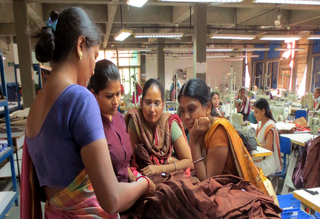 averaging eight hours daily; are required to devote an additional eight hours to household responsibilities, often extending their workload during weekends to compensate for tasks left incomplete during the week. While men’s work is widely acknowledged and considered economically productive, women engaged in full-time domestic labor are classified by the Government of India as economically unproductive. Paradoxically, the same tasks—such as cooking, cleaning, and caregiving—are considered valuable when performed as paid services in another household.
These activities form the foundation of society, enabling the functioning of the formal economy, yet women’s contributions remain largely invisible in measures such as GDP. This invisibility not only undermines the status of women but also limits policymakers’ ability to formulate informed economic and labor policies. Although this discussion does not examine the reasons behind women’s career choices, it is evident that many women express mixed feelings: they value the financial contribution and recognition associated with paid employment, yet regret the reduced time available for family care. A balanced distribution of paid and unpaid work between men and women may offer a more sustainable solution. Increased male participation in domestic responsibilities could alleviate the burden on women while also contributing to the overall well-being of the family.
Furthermore, a distinction must be made between a “career” and a “job.” A career, often accessible to the upper middle class and affluent groups, implies a stimulating and fulfilling professional path that enhances self-esteem, provides social engagement, and ensures financial independence. In contrast, for many women, a job represents repetitive, physically demanding labor undertaken out of economic necessity. Rather than offering empowerment, such work often adds to the existing burden of domestic responsibilities. Even in developed countries such as the United States, there are numerous accounts of women experiencing adverse working conditions, including lack of basic facilities, repetitive tasks, and low wages that perpetuate financial insecurity.
Current Issue
Most Viewed
- 1 Talented Indian Female Actors Who Also Moonlight as Successful Producers
- 2 7 Indian Female Podcasters You Must Know About
- 3 7 Powerful Independent Indian Women Journalists Who are Voices of Change
- 4 Ruchikaa Kapoor Sheikh: The Creative Mind Behind Netflix India's Popular Shows
- 5 7 Most Influential Women Educators India has had over the Years
- 6 11 Breakthrough Female Faces Ruling the Indian OTT Platforms
- 7 8 Timeless Female Indian Classical Dancers & their Legacy
- 8 Women's Health Startup HerMD Closing Doors Amid Industry Challenges
- 9 Real Meets Reel: A List of 11 Indian Movies based on Real Women
- 10 Rasha Hassan: A Visionary Leader On A Mission To Transform Dubai's Real Estate Landscape
- 11 5 Indian Women-led IPOs You Must Know About
- 12 11 of the Most Iconic 21st Century Women to become "The First Indian Woman"
- 13 India's 7 Funniest Women Stand-Up Comics You Must Follow
- 14 Aparna Purohit : Leading India's Most Popular OTT Platforms
- 15 How Leaders Can Balance Risk & Innovation in Today's Banking Landscape
- 16 Dr. K. Shilpi Reddy: Sculpting Healthier Futures For The Next Generation With Reforms In Obstetrics Care
- 17 Sylvia Dcosta: A Visionary Business Leader Pushing The Limits And Setting High Professional Standards
- 18 Top 5 All-Rounder Women Cricketers of India
- 19 How Tata AIA is Empowering Women with Insurance That Understands Their Needs

.jpg "Women's Reservation Bill Rejection, Debate & Reactions")

