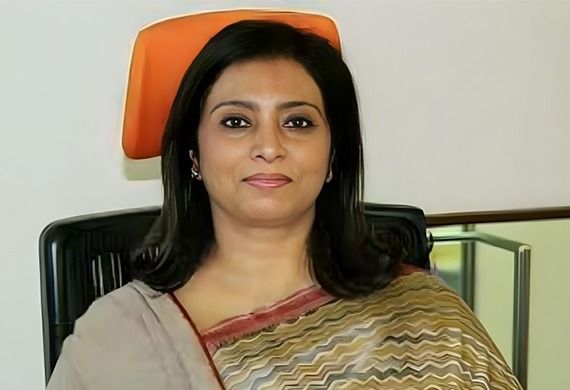

Simin Askari is an accomplished HR leader with over three decades of experience across diverse industries. With academic foundations in Economics and Business Management, she has driven strategic HR transformation, organizational capability building, and digital initiatives while shaping global HR policies, performance systems, and employee engagement frameworks.
In the following article, Simin talks about how blending AI, automation, and human insight builds a future-ready workplace focused on empathy, innovation, and sustainable growth. Drawing sharp insights from her experience of navigating digital transformation at DS Group, Simin makes a strong case for why the future of work belongs to organizations that blend AI with human empathy.
The future of work is no longer on the horizon; it’s here, unfolding in real time. Every organization today stands at a crossroad; on one side, the accelerating power of technology; on the other, the irreplaceable depth of human intuition. The real question isn’t which side we choose, rather how we bridge the two to create cultures that are not only future-ready but also fundamentally human.
At DS Group, this intersection between technology and human insight has defined our transformation journey. As a legacy organization with deep-rooted values, our evolution has been shaped by the conviction that technology can amplify, not replace, human potential.
To me, future-readiness isn’t just about adopting AI or automating workflows; it is about creating an ecosystem where digital tools empower people to think more creatively, collaborate more deeply and act with greater empathy.
When we began our digital transformation, our goal was never limited to efficiency. It was about reimagining work itself. A powerful example of this was our use of RPA to streamline the labour billing process. What was once a highly manual, error-prone activity—tracking invoices, reconciling payments, sending reminders—was transformed through intelligent automation. Bots took over repetitive tasks, ensuring accuracy, timeliness and real-time visibility of outstanding payments.
But the real transformation went beyond automation. It freed our HR team to step out of transactional routines and step into more strategic roles. This is the crux of building a future-ready culture: technology should handle the repetitive so that humans can focus on the relational. Data should inform our intuition, not replace it.
We often talk about automation, but the true art lies in designing systems that still carry a human heartbeat. Take, for example, the automation of our travel desk process. On paper, it was a simple digital upgrade—employees can now self-book tickets, bills flow directly to finance and the process generates automated SAP JVs. But at its heart, this initiative was about empowerment and trust. By eliminating manual bottlenecks, we gave people control over their time and travel decisions. It wasn’t just about convenience; it was about signalling that we trust our people to make responsible choices. That’s what a humanized approach to technology looks like—one where every digital innovation strengthens autonomy, transparency and ownership.
Future-ready organizations are learning organizations. But learning today cannot be one-size-fits-all. It has to be intuitive, adaptive and deeply personal.
When we launched our Learning Management System—“DiSha”—it was designed not as a repository of courses but as a living ecosystem of growth.
DiSha integrates personalized learning journeys, role-specific pathways and gamified experiences that make learning both accessible and engaging. Yet, beyond it’s tech sophistication, it’s success lies in how it connects with human motivation. Every module, every learning prompt, is tied to purpose; why this matters, how it shapes one’s career and how it links to the organization’s vision. In essence, DiSha represents how technology can be an ally to curiosity. It enables employees to learn at their own pace but within a culture that celebrates growth as a shared value.
One of the most transformative forces in the workplace today is the rise of Gen Z—a generation that demands authenticity, purpose and empowerment. They expect organizations to not just offer jobs but to offer meaning. At DS Group, we have embraced this challenge by consciously rethinking how we engage our young workforce. Initiatives like our flagship B-school case competition, TrenDSetter, are not mere talent branding exercises; they are platforms for co-creation. We invite young minds to solve real business challenges and in doing so, they experience our culture of innovation first-hand.
In my experience, transformation often fails not because of poor technology but because of neglected humanity. Every process we have reimagined at DS, whether automating attendance and overtime management for labour or digitizing compliance tracking, has succeeded because we paired it with empathy. When we introduced automation in compliance, we ensured that it didn’t feel like surveillance. Instead, we positioned it as a support mechanism, one that ensures fairness, accuracy and timely alerts for all. We complemented data-driven decision-making with continuous dialogue, explaining the “why” behind each change.
I have learnt an important leadership lesson in a world of algorithms; that empathy becomes your most strategic differentiator.
At DS Group, we are proud of our multi-generational workforce, people who have built the organization’s foundation and those who are shaping its future. Balancing these mindsets requires more than technology; it requires understanding.
AI may analyze engagement patterns but only human leaders can interpret the stories behind those patterns. We may use digital tools to measure sentiment but the real connection happens in conversations, mentoring and shared experiences. Our upskilling programs for HR, for example, combined Gen AI applications with collaborative, story-driven exercises; like our comic book challenge that translated HR themes into visual narratives. It’s this blend of playfulness, technology and human connection that creates cultural stickiness.
As leaders, we often hear about data-driven decision-making but I believe the future belongs to data-inspired leadership. The distinction is subtle but powerful. Data gives us direction; intuition gives us depth. At DS, we have learnt that when the two work together, the results are extraordinary. In business excellence, for instance, we rely on analytics to identify inefficiencies but it is our teams’ intuitive understanding of customer behavior, market dynamics and organizational culture that helps us design solutions that stick.
To build cultures where technology meets human intuition, we must balance speed with sensitivity, precision with purpose and automation with empathy. This balance is what defines a future-ready organization.
As I reflect on our journey at DS Group, I see that our greatest strength has been our ability to evolve without eroding our essence. Our legacy gives us roots; technology gives us wings. Together, they form a culture that is agile yet anchored, data-driven yet deeply human.
Current Issue
Most Viewed
- 1 Talented Indian Female Actors Who Also Moonlight as Successful Producers
- 2 7 Indian Female Podcasters You Must Know About
- 3 7 Powerful Independent Indian Women Journalists Who are Voices of Change
- 4 Ruchikaa Kapoor Sheikh: The Creative Mind Behind Netflix India's Popular Shows
- 5 7 Most Influential Women Educators India has had over the Years
- 6 11 Breakthrough Female Faces Ruling the Indian OTT Platforms
- 7 8 Timeless Female Indian Classical Dancers & their Legacy
- 8 Women's Health Startup HerMD Closing Doors Amid Industry Challenges
- 9 Real Meets Reel: A List of 11 Indian Movies based on Real Women
- 10 Rasha Hassan: A Visionary Leader On A Mission To Transform Dubai's Real Estate Landscape
- 11 5 Indian Women-led IPOs You Must Know About
- 12 11 of the Most Iconic 21st Century Women to become "The First Indian Woman"
- 13 India's 7 Funniest Women Stand-Up Comics You Must Follow
- 14 Aparna Purohit : Leading India's Most Popular OTT Platforms
- 15 How Leaders Can Balance Risk & Innovation in Today's Banking Landscape
- 16 Dr. K. Shilpi Reddy: Sculpting Healthier Futures For The Next Generation With Reforms In Obstetrics Care
- 17 Sylvia Dcosta: A Visionary Business Leader Pushing The Limits And Setting High Professional Standards
- 18 Top 5 All-Rounder Women Cricketers of India
- 19 How Tata AIA is Empowering Women with Insurance That Understands Their Needs


