
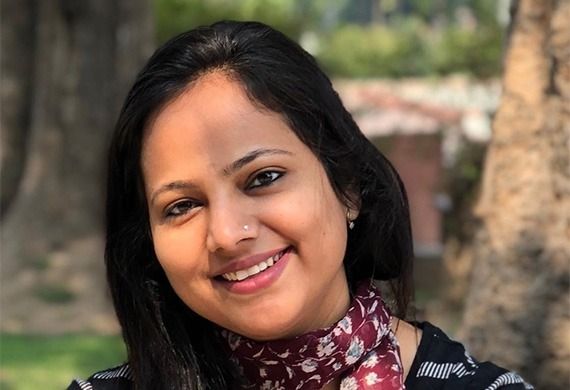

Richa is a seasoned energy sector professional with over 17 years of global experience in project execution, procurement, contracts, supply chain, operations, and project management. She holds a Masters in Construction Management, PMP certification, and has received multiple professional and academic recognitions.
In thought provoking interaction with Women Entrepreneurs Review Magazine, Richa shares her insights on the future of solar energy and electric mobility. She talks about leadership lessons drawn from large-scale projects, and pioneering innovative models like VaaS, highlighting the balance between visionary ideas, practical challenges, and driving sustainable growth in clean energy.
To explore her journey, leadership experiences, and perspectives on clean energy innovation, read the full article below.
How do you see the solar and electrical mobility industry in the coming years, shaping the future of clean energy and sustainable growth?
Over the next decade, solar energy and electric mobility will form the backbone of India’s clean-energy shift. In the near term, supportive policies, fast-growing domestic manufacturing, and rapid expansion of charging and grid infrastructure will accelerate adoption. With wider use of battery energy storage systems through government tenders and incentives, even remote regions will have more reliable power access under programmes like PM-KUSUM and PM Surya Ghar.
We expect solar-powered charging stations with smart energy management to move quickly from pilot projects to mainstream infrastructure.
As battery technology improves and the national grid becomes more digital and resilient, solar will emerge as a dominant source of new generation.
At the same time, electric vehicles will become seamlessly integrated into daily life and business operations—shaping a cleaner, more efficient and future-ready energy-mobility ecosystem.
Having led projects in geographies, what leadership lessons did you learn by building and climbing solar and mobility solutions in various markets?
I’ve been fortunate to work across different geographies and learn from exceptional mentors and colleagues. One thing this journey has taught me is the value of embracing challenges, some opportunities may not look exciting at first, but they often open doors to learning, experimentation, and growth.
Working on solar and mobility projects in diverse markets shaped my leadership approach in a meaningful way. The first lesson was to listen closely to local teams; they understand customer behaviour, ground realities, and regulatory nuances better than any dashboard can. The second was the importance of early stakeholder alignment; these ecosystems move forward only when trust is built and everyone feels included in the vision. And the third was adaptability. Clean energy markets often evolve in ambiguity, so teams need clarity of purpose but also the freedom to innovate and respond to local dynamics.
As a female leader, I’ve learned that creating an environment where people feel safe to speak up, collaborate openly, and seek guidance without hesitation is especially important. Ultimately, scaling clean energy solutions is not just about technology, it’s about people, trust, and the strength of cross-functional teamwork.
Commissioning over 1000 MW of solar power is no small feat, what personal challenges and proudest moments are standing out from that journey?
When I began my career in renewables, I never focused on the size of the projects, perseverance and hard work mattered far more. Whether it was a small rooftop system or a large ground-mounted plant, every project felt equally rewarding once the team delivered the project on time.
Like many women, balancing professional ambition with motherhood was my biggest challenge. There were days when the pressure felt overwhelming, but moments of purpose kept me going. One moment I cherish most is commissioning of a rooftop project in J&K, an important government initiative. I still remember standing on the dais after the inauguration, holding my two-year-old daughter while giving the project briefing. I was hesitant at first, but it became a powerful reminder that I can excel at my work and be a present mother. For me, it symbolised that working mothers should be visible, accepted, and celebrated.
The VaaS model is still new for many, what inspired you to champion it, and how did you build trust around it?
The Vehicle-as-a-Service model lets customers use vehicles for flexible durations, months, weeks, or even hours, through leasing, subscriptions, and short- to mid-term rentals. As someone passionate about clean energy, the chance to work on an EV-focused mobility business immediately excited me. It felt like the right space to experiment, learn, and help shape a new way of accessing mobility. I championed VaaS because the shift in consumer mindset was clear: traditional ownership no longer fits everyone’s financial or operational needs, especially in fast-growing markets. VaaS makes mobility more accessible, flexible, and future-ready.
Earning customer trust meant being transparent about costs, understanding how they actually use vehicles, and proving the model through strong early pilots.
Once customers experienced the reliability, predictable expenses, and freedom from managing drivers and operations, the model naturally gained acceptance. What began as an unfamiliar idea quickly turned into a strategic advantage, and it reaffirmed my belief that good leadership combines both vision and evidence.
When creating large -scale renewable projects, how do you balance visionary ideas with everyday practical challenges and can you share a moment that tests this balance?
In large-scale renewable projects, there’s always a balance between big-picture vision and daily ground realities. The vision gives direction, but the real work lies in translating it into solutions that are technically sound, financially viable, and workable on the ground. You have to stay ambitious enough to inspire teams and partners, yet practical enough to navigate supply-chain delays, regulatory complexities, and site-level challenges.
Our current 120 MW PM-KUSUM project illustrates this well. Managing 30 sites across six districts and finalising multiple land parcels requires intense coordination, and some unexpected delay in financial closure make it even more complex. These ground realities often test our goal of becoming a market leader in the next two to three years. But a clear, long-term commitment to sustainable energy keeps the team aligned and motivated, even when the journey becomes challenging.
LAST WORD: Advice for Aspiring Leaders in Renewable Energy & Electric Mobility
My advice to young leaders in clean energy and mobility is simple: be curious and be bold. This sector demands constant learning and real-world understanding, not just boardroom strategy. Collaboration and alignment across policy, finance, technology and consumers matter more than any single skill. If you can combine big-picture thinking with strong execution, you’ll play a meaningful role in driving the clean-energy transition.
Current Issue
Most Viewed
- 1 Talented Indian Female Actors Who Also Moonlight as Successful Producers
- 2 7 Indian Female Podcasters You Must Know About
- 3 7 Powerful Independent Indian Women Journalists Who are Voices of Change
- 4 Ruchikaa Kapoor Sheikh: The Creative Mind Behind Netflix India's Popular Shows
- 5 7 Most Influential Women Educators India has had over the Years
- 6 11 Breakthrough Female Faces Ruling the Indian OTT Platforms
- 7 8 Timeless Female Indian Classical Dancers & their Legacy
- 8 Women's Health Startup HerMD Closing Doors Amid Industry Challenges
- 9 Real Meets Reel: A List of 11 Indian Movies based on Real Women
- 10 Rasha Hassan: A Visionary Leader On A Mission To Transform Dubai's Real Estate Landscape
- 11 5 Indian Women-led IPOs You Must Know About
- 12 11 of the Most Iconic 21st Century Women to become "The First Indian Woman"
- 13 India's 7 Funniest Women Stand-Up Comics You Must Follow
- 14 Aparna Purohit : Leading India's Most Popular OTT Platforms
- 15 How Leaders Can Balance Risk & Innovation in Today's Banking Landscape
- 16 Dr. K. Shilpi Reddy: Sculpting Healthier Futures For The Next Generation With Reforms In Obstetrics Care
- 17 Sylvia Dcosta: A Visionary Business Leader Pushing The Limits And Setting High Professional Standards
- 18 Top 5 All-Rounder Women Cricketers of India
- 19 How Tata AIA is Empowering Women with Insurance That Understands Their Needs


