
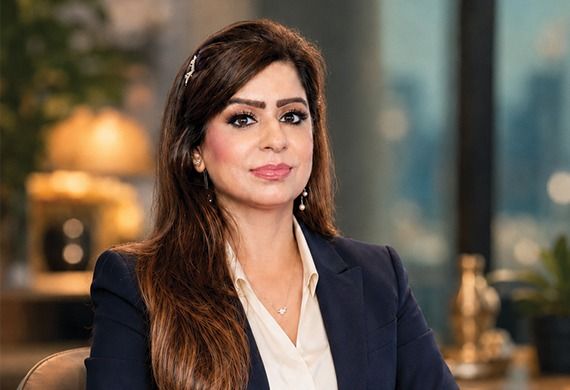

Leadership is often tested not by how successfully a leader navigates change, but by how meaningfully that change shapes people and organisations. For Pooja Lamba, a technology and business leader, years of experience across AI, digital transformation, commercial strategy, global delivery, and social impact have reinforced one belief: progress is most powerful when innovation and humanity move together.
Her leadership journey reflects a balance between driving transformation and preserving the values, trust, and people that give organisations their strength. Beyond business outcomes, she has championed diversity, inclusion, digital empowerment, and opportunities for women and young people.
In conversation with Women Entrepreneurs Review, Pooja shares how responsible AI, purposeful leadership, institutional thinking, and empowering others have shaped her approach to creating impact that extends far beyond the boardroom.
Read the complete article for deeper insights.
Q1. You've led billion-pound portfolios, led global technology transformations, served on executive boards, and championed opportunities for thousands of women and young people. When did you realise that true leadership is measured not by authority, but by the lives you influence?
A. Leadership, for me, has been a combination of delivering results or meeting commitments but also creating an environment where people can discover their potential and turn it into impact. Over the years, one truth has become even clearer: the achievements that stay with you longest are not always the programs you delivered, but the people who grew because you believed in them, opened a door for them, or gave them the confidence to step through it.
Watching a young professional become a confident leader, seeing women step into opportunities they once doubted they deserved, or witnessing technology create access to education and livelihoods reminds me that leadership extends far beyond organisational boundaries. Titles define responsibility, but influence is earned through trust, empathy and consistency.
Q2. As your influence expanded beyond business outcomes into culture, inclusion, and social impact, how did your definition of success evolve without losing the commercial mindset that built your credibility?
A. I have always believed that commercial success and social responsibility can strengthen one another. Delivering measurable business outcomes remains fundamental because credibility is built through performance. At the same time, sustainable success comes from investing in people, purpose and inclusion.
Whether leading global technology transformations or supporting initiatives that empower women and young people through digital skills, I have seen that innovation thrives when diverse voices are encouraged and people feel they belong. The organisations that lead tomorrow will create value not only for shareholders, but also for colleagues, customers and society. For me, success is about delivering today while creating a stronger, more inclusive future for tomorrow.
Q3. You've operated across boardrooms, global technology organisations, and community initiatives. How can women leaders move beyond being recognised as high performers to becoming institution builders whose impact lasts for generations?
A. High performance earns recognition, but institution building creates enduring impact. I encourage women leaders to think beyond delivering exceptional results and start shaping cultures, developing future leaders and building systems that continue to thrive long after they move on.
Real leadership is not about becoming indispensable; it is about creating an organisation where excellence becomes sustainable because people are empowered to lead. That requires the courage to make difficult decisions, the humility to share credit generously and the vision to invest in talent that may one day surpass your own achievements. The greatest compliment for any leader is not being remembered for a single success, but knowing that the people, values and culture you nurtured continue to create impact long after you have moved forward.
Q4. With AI transforming every industry, how do you ensure organisations embrace intelligent automation while preserving the human judgement, empathy, and ethical leadership that technology can never replace?
A. Artificial Intelligence is one of the most transformative technologies of our time, but I believe its greatest purpose is to amplify human potential, not replace it. The most successful organisations will use AI to automate repetitive work, generate deeper insights and accelerate innovation, while ensuring that critical decisions remain guided by human judgement, ethics and empathy. Technology can analyse patterns, but it cannot truly understand values, build trust or inspire people through uncertainty.
Our responsibility as leaders is to create governance that keeps AI transparent, responsible and inclusive. The future belongs to organisations that combine the speed and intelligence of machines with the wisdom, creativity and compassion that only people can bring.
Q5. Your career reflects a rare balance between transformation, service, continuity & AI. How do you decide which parts of an organisation deserve disruption and which parts deserve protection, especially when both seem equally important?
A. I don't believe transformation means changing everything; it means knowing what must change and what must be protected. I always ask: does it create value for our customers, strengthen our ability to serve them and prepare us for the future? Anything that creates friction or limits agility should be challenged, while customer trust, service resilience, our values and the strengths of our people deserve protection. And sometimes leaders need to wake up and smell the coffee beans—step away from the boardroom narrative, listen to customers and frontline teams, and understand what is really happening on the ground.
AI can accelerate progress, but never at the cost of human judgement. Great leadership is knowing when to disrupt, when to preserve and when to listen.
Q6. Through your work in DE&I, TechWomen, and digital inclusion, you've invested in creating opportunities for others. How has empowering someone else's success shaped the leadership legacy you hope to leave behind?
A. Some of the proudest moments of my career have not been awards, promotions or business milestones, but watching people I have mentored find their voice, step into opportunities they once thought were beyond them and grow into confident leaders who inspire others.
Through my work in DE&I, TechWomen and digital inclusion, I have seen how one conversation, one opportunity or simply believing in someone can change the trajectory of their future. It has reinforced my belief that leadership is not about creating followers, but creating the confidence and space for others to lead. Success is what you achieve; legacy is what continues through others.
Q7. Having led across countries, cultures, and generations, what invisible leadership habits have you seen hold talented women back—even after they have repeatedly proven themselves?
A. One pattern I have observed is that many capable women underestimate the value of their own voice. They wait until they feel completely ready before taking on a bigger role, while opportunities rarely arrive wrapped in certainty. I have also seen women hesitate to celebrate their achievements, believing their work should speak for itself. Excellence is essential, but visibility and influence matter equally at senior leadership levels.
My advice is simple: stop seeking permission to lead. Speak with conviction, embrace challenges before you feel perfectly prepared, and build a strong network of mentors and allies. Leadership is not about having all the answers; it is about asking the right questions, making thoughtful decisions and inspiring confidence in others.
Q8. Looking ahead, how do you see AI reshaping leadership itself—not just technology—and what capabilities will distinguish tomorrow's most successful executives?
A. AI will redefine leadership by shifting the focus from managing processes to unlocking human potential. As intelligent systems take over routine analysis and repetitive tasks, leaders will spend more time solving complex problems, fostering innovation and building high-performing teams. The executives who thrive will not necessarily be those with the deepest technical expertise, but those who combine technological curiosity with emotional intelligence, ethical decision-making, adaptability and continuous learning.
The future belongs to leaders who can bridge technology and humanity, making AI a trusted partner rather than simply another tool. In a world where change is constant, the ability to learn, unlearn and lead with purpose will become one of the most valuable competitive advantages.
LAST WORD: If every young woman reading this interview remembered only one lesson from your 25-year leadership journey, what would you want it to be—and why?
Never let anyone else define the size of your dreams. There will be moments when the path feels uncertain, your voice is questioned or failure seems closer than success. Those moments do not define you—your response to them does. Every challenge can strengthen your resilience, expand your perspective and remind you that growth begins where comfort ends. Lead with integrity, remain curious, keep learning and never lose sight of the values that make you who you are. Most importantly, as you rise, make room for others to rise with you. Leadership is not measured by how high we climb, but by how many lives we uplift along the way. If my journey inspires even one young woman to believe in herself and pursue her ambitions with courage, then every milestone has been worthwhile.
To conclude -
Leadership is not about being the smartest person in the room. It is about leaving the room stronger than you found it. Technology will continue to evolve, industries will transform, and job titles will change. But kindness, courage, integrity, and the ability to lift others will always remain humanity's greatest competitive advantage. If my journey inspires even one young woman to believe that her voice matters and her dreams belong at the table, then every milestone I've achieved will have served a purpose greater than my own success.
Current Issue

Most Viewed
- 1 Talented Indian Female Actors Who Also Moonlight as Successful Producers
- 2 7 Indian Female Podcasters You Must Know About
- 3 7 Powerful Independent Indian Women Journalists Who are Voices of Change
- 4 Ruchikaa Kapoor Sheikh: The Creative Mind Behind Netflix India's Popular Shows
- 5 7 Most Influential Women Educators India has had over the Years
- 6 11 Breakthrough Female Faces Ruling the Indian OTT Platforms
- 7 8 Timeless Female Indian Classical Dancers & their Legacy
- 8 Women's Health Startup HerMD Closing Doors Amid Industry Challenges
- 9 Real Meets Reel: A List of 11 Indian Movies based on Real Women
- 10 Rasha Hassan: A Visionary Leader On A Mission To Transform Dubai's Real Estate Landscape
- 11 5 Indian Women-led IPOs You Must Know About
- 12 11 of the Most Iconic 21st Century Women to become "The First Indian Woman"
- 13 India's 7 Funniest Women Stand-Up Comics You Must Follow
- 14 Aparna Purohit : Leading India's Most Popular OTT Platforms
- 15 How Leaders Can Balance Risk & Innovation in Today's Banking Landscape
- 16 Dr. K. Shilpi Reddy: Sculpting Healthier Futures For The Next Generation With Reforms In Obstetrics Care
- 17 Sylvia Dcosta: A Visionary Business Leader Pushing The Limits And Setting High Professional Standards
- 18 Top 5 All-Rounder Women Cricketers of India
- 19 How Tata AIA is Empowering Women with Insurance That Understands Their Needs


