
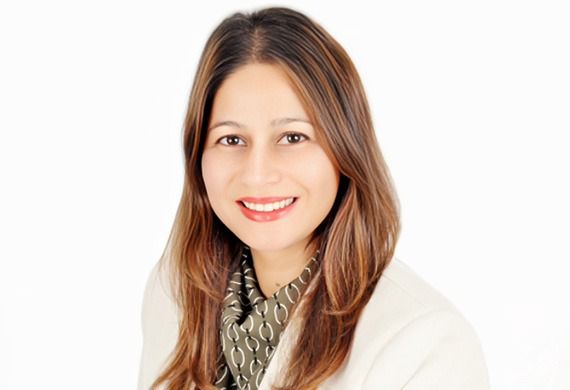

As Global Capability Centers continue to evolve from operational support hubs into strategic engines of enterprise growth, leadership today demands a balance of transformation, governance, innovation, and people-centric thinking.
Geeta Gadekar, a seasoned business leader with more than two decades of experience in building and scaling high-performing GCCs and Shared Services organizations, has been at the forefront of this evolution. Leading a 2,000+ strong global organization, she has driven enterprise-wide value through digital transformation, operational excellence, risk management, and inclusive leadership.
In an engaging interaction with Women Entrepreneurs Review Magazine, Geeta shares her perspectives on the future of shared services, the role of women leaders in driving digital transformation, fostering inclusive workplace cultures, integrating governance with agility, and creating sustainable business value through empowered teams and strategic leadership.
Read the full article below for Geeta Gadekar’s valuable insights on the future of GCC leadership and more.
Q1. As a woman leading a 2,500+ strong GCC, how do you see the evolution of shared services shaping strategic enterprise value for organizations globally?
A. Leading a large GCC, I’ve seen shared services evolve from “efficient back office” to an enterprise value engine. The next phase is productized services: clearly defined outcomes, measurable experience, and enhanced capabilities that can be scaled across markets. In our world, a shared services organization supports business growth by protecting assets, accelerating integrations, and building digital differentiation, not just by lowering cost.
We already operate in a model where global delivery centers and centers of excellence serve multiple markets with a borderless mindset. The opportunity now is to pair domain depth with data and automation so leaders can show value through efficiencies, controls, Qualitative outcomes, better risk management & facilitating Decision making that impacts business outcomes.
In the heart of all of this is our People who are empowered, provided an environment to continuously learn on new technology solutions & who are the key in creating value for our enterprise.
Q2. In driving digital transformation across functions, what unique perspectives do women leaders bring in balancing innovation, efficiency, and enterprise-wide value creation?
A. Women leaders are strong problem solvers since it is in their inherent nature. Women leaders often bring a distinctly people-and-process lens to digital transformation—focusing as much on adoption as on the technology itself.
Across functions, we typically ask three questions early: who will this change help, what will it simplify, and how will we measure value end-to-end, and in the heart of this discussion is how to bring in the right skill sets & teams to solve the problems. It removes friction, strengthens controls, and improves experience. It also builds a more inclusive environment: we tend to widen the design table, invite frontline and diverse voices, and create psychological safety to challenge assumptions. When teams feel heard and supported, collaboration improves, resistance drops, and transformation scales faster—creating enterprise-wide value, not isolated wins. From my experience I have seen the perspective women bring to a problem pushing for innovative & creative solutions.
Q3. How do women leaders navigate global stakeholder expectations while ensuring local execution, particularly in complex, high-stakes shared services environments?
A. In high-stakes shared services, global stakeholders want consistency, predictability, controls & transparency. Global stakeholders rely on the local team to provide better context to what is happening in the markets and how it impacts different business elements may it be compliance, geo political risks, govt regulations. There is also a need for the local teams to be gate keepers of the global policy implementation & to bring governance to any gaps which needs to be resolved through the right process. While local teams need context, clarity, and speed.
My approach is to keep the “what” global and the “how” local. Align on outcomes, governance, and risk appetite centrally, then empower teams to tailor execution without diluting standards.
This borderless mindset has helped me solve problems with the best talent, regardless of location. I also invest in structured listening, and have an open-door policy, because trust travels faster than process. When you combine transparent stakeholder cadence, crisp decision rights, and frontline feedback loops, you can deliver local agility with global-grade assurance. Clear communication with right data & analytics also helps in creating a credibility that makes global stakeholders rely on the local leadership.
Q4. What approaches do women leaders adopt to integrate compliance, governance, and risk without slowing agility or undermining high-performance culture?
A. Compliance should be designed into the work, not added on top of it. The most effective model is “guardrails over gates”. Embed controls in workflows, automate evidence capture, and apply risk-based depth so teams don’t drown in low-value checks. Asset protection and compliance are central to why shared services exist, and that mission must be visible in everyday decisions.
Process maturity matters too; disciplined frameworks and certifications reinforce repeatability and continuous improvement. Finally, culture is the multiplier, training, awareness, and clear escalation paths make risk everyone’s job, not just a function’s. The result is faster delivery with stronger controls. Ensuring we build a culture where everyone understands why governance & compliance is critical. Process is implemented to ensure this is part of the communications process & addressed through frequent leadership connects & trainings.
Q5. Leading large, diverse teams globally, how can women leaders foster inclusive cultures, drive collaboration, and ensure talent evolves alongside transformation initiatives?
A. Leading large, diverse teams means creating inclusion not as a policy, but as a lived experience. I’ve focused on building structured yet human platforms that encourage dialogue, confidence, and growth.
One example is Engage a monthly connect forum I host regularly, which gives employees a safe, one‑on‑one space to share ideas, seek guidance, and discuss career aspirations directly with leadership, strengthening trust and transparency across the organization. In parallel, we run internal initiatives like IT Women Power that are designed to support women in technology by fostering community, mentorship, and skills around presence, self‑advocacy, and leadership voice.
Together, these outreach efforts help ensure talent grows alongside transformation, enabling collaboration, belonging, and sustained high performance at scale. Women leaders should make their voice, opinions heard in the right forums, take initiative and not be afraid to sit at the high-stake table where visibility is significant & outcome expected are out of the comfort zone.
I also urge Women leaders to create their own brand in the enterprise in terms of the work ethics, leadership style, what value they bring and to be accessible to the teams around for authentic discussions and mentoring
LAST WORD: Advice for women who aspire to take on leadership roles in large organizations and drive significant change and value:
First, anchor yourself in credibility. Master your domain, and widen your aperture to enterprise outcomes, risk, talent, customer experience, and long‑term value creation. Second, don’t wait to feel “ready.” Put your hand up for complex assignments, take calculated risks, and actively seek sponsorship, not just support. Third, invest in relationships that matter: mentors who will tell you the truth, and champions who will open doors when it counts. Finally, many women still face outdated expectations, to be competent, but not too ambitious. Reject that false trade‑off. You can be compassionate and decisive, flexible and high‑performing. And above all, measure your impact in business terms, because data turns leadership into an undeniable story.
Current Issue
Most Viewed
- 1 Talented Indian Female Actors Who Also Moonlight as Successful Producers
- 2 7 Indian Female Podcasters You Must Know About
- 3 7 Powerful Independent Indian Women Journalists Who are Voices of Change
- 4 Ruchikaa Kapoor Sheikh: The Creative Mind Behind Netflix India's Popular Shows
- 5 7 Most Influential Women Educators India has had over the Years
- 6 11 Breakthrough Female Faces Ruling the Indian OTT Platforms
- 7 8 Timeless Female Indian Classical Dancers & their Legacy
- 8 Women's Health Startup HerMD Closing Doors Amid Industry Challenges
- 9 Real Meets Reel: A List of 11 Indian Movies based on Real Women
- 10 Rasha Hassan: A Visionary Leader On A Mission To Transform Dubai's Real Estate Landscape
- 11 5 Indian Women-led IPOs You Must Know About
- 12 11 of the Most Iconic 21st Century Women to become "The First Indian Woman"
- 13 India's 7 Funniest Women Stand-Up Comics You Must Follow
- 14 Aparna Purohit : Leading India's Most Popular OTT Platforms
- 15 How Leaders Can Balance Risk & Innovation in Today's Banking Landscape
- 16 Dr. K. Shilpi Reddy: Sculpting Healthier Futures For The Next Generation With Reforms In Obstetrics Care
- 17 Sylvia Dcosta: A Visionary Business Leader Pushing The Limits And Setting High Professional Standards
- 18 Top 5 All-Rounder Women Cricketers of India
- 19 How Tata AIA is Empowering Women with Insurance That Understands Their Needs


