
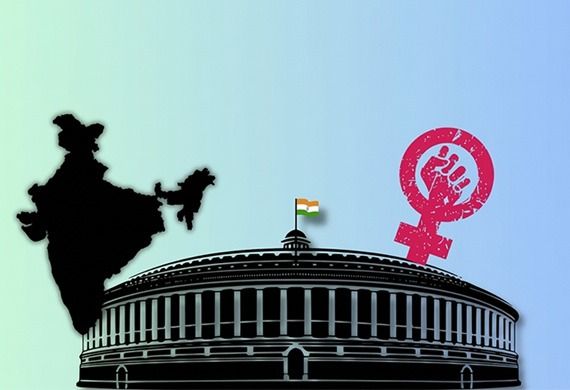

After nearly three decades and six failed attempts, the Women’s Reservation Act finally passed in 2023. As we build up towards the act finally being implemented, a lot of questions are arising. After the Nari Shakti Vandan Act finally reshape Indian politics? From delimitation delays and Census debates to seat expansion and early implementation plans, WER brings a complete, easy-to-understand breakdown of What the bill Is, Why is it Crucial, Why It’s Delayed and the golden question, When Will the bill Be Implemented.
Currently, India is undergoing a watershed moment in its political landscape with the much-discussed Women's Reservation Bill (Nari Shakti Vandan Act) triggering countless debates across the nation.
A parliamentary update has confirmed that a special three-day session will commence on April 16, with the focus being on putting into effect key constitutional amendments designed to increase the number of Lok Sabha seats from 543 to 816. This move will facilitate the swift implementation of the women’s 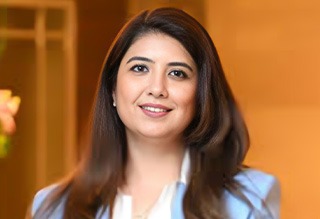 reservation law.
“The government’s intent to fast-track implementation of Women's Reservation Act, potentially expanding the reservation in Lok Sabha to 816 seats from the current 273 seats for women, signals a strong commitment to accelerating representation. If it goes through it will be a pivotal step toward building a more inclusive and representative India,” says Kashiish A Nenwani, Director, Shivtek Spechemi Industries.
For decades, issues related to women's participation in politics have surfaced, faded and resurfaced.
"According to the Time Use Survey 2024, women in India spend 289 minutes a day on unpaid domestic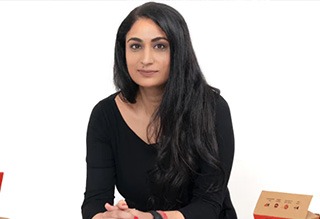 services for household members, compared to 88 minutes for men. That gap alone shows that the playing field is still far from level at the grassroots,” adds Anika Parashar, Founder and CEO, The Woman's Company.
The good news is that the wave of change is much stronger now. The enactment of the Constitution (106th Amendment) Act, 2023 has been the legislative birth of the long-standing pledge of reserving 33% seats for women in Parliament and State Assemblies.
However, the delay says a lot. According to Rupali Gupta, Strategic Talent & Leadership Advisor, it shines the light on the reluctance in sharing power. “With women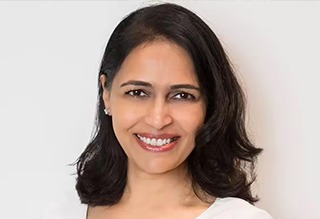 holding just 15% of Lok Sabha seats and ranking 148th globally in political representation, the stakes are clear: a representative democracy must reflect the full population, not exclude half of it. Research consistently shows women leaders prioritise healthcare, sanitation, and social welfare - perspectives that transform governance outcomes for generations,” further explains Rupali.
There is a lot to be gained by increasing women’s representation in politics. Kashiish echoes this thought. “Greater participation of women in legislative spaces is not just about equitable access, but about fundamentally reshaping how policies are imagined and delivered. As India aspires for sustained economic and social progress, embedding inclusivity in decision-making will be critical.”
Current Issue
Most Viewed
- 1 Talented Indian Female Actors Who Also Moonlight as Successful Producers
- 2 7 Indian Female Podcasters You Must Know About
- 3 7 Powerful Independent Indian Women Journalists Who are Voices of Change
- 4 Ruchikaa Kapoor Sheikh: The Creative Mind Behind Netflix India's Popular Shows
- 5 7 Most Influential Women Educators India has had over the Years
- 6 11 Breakthrough Female Faces Ruling the Indian OTT Platforms
- 7 8 Timeless Female Indian Classical Dancers & their Legacy
- 8 Women's Health Startup HerMD Closing Doors Amid Industry Challenges
- 9 Real Meets Reel: A List of 11 Indian Movies based on Real Women
- 10 Rasha Hassan: A Visionary Leader On A Mission To Transform Dubai's Real Estate Landscape
- 11 5 Indian Women-led IPOs You Must Know About
- 12 11 of the Most Iconic 21st Century Women to become "The First Indian Woman"
- 13 India's 7 Funniest Women Stand-Up Comics You Must Follow
- 14 Aparna Purohit : Leading India's Most Popular OTT Platforms
- 15 How Leaders Can Balance Risk & Innovation in Today's Banking Landscape
- 16 Dr. K. Shilpi Reddy: Sculpting Healthier Futures For The Next Generation With Reforms In Obstetrics Care
- 17 Sylvia Dcosta: A Visionary Business Leader Pushing The Limits And Setting High Professional Standards
- 18 Top 5 All-Rounder Women Cricketers of India
- 19 How Tata AIA is Empowering Women with Insurance That Understands Their Needs