
Strong people strategies, inclusive cultures, and courageous leadership are essential to building future-ready organizations where individuals thrive.
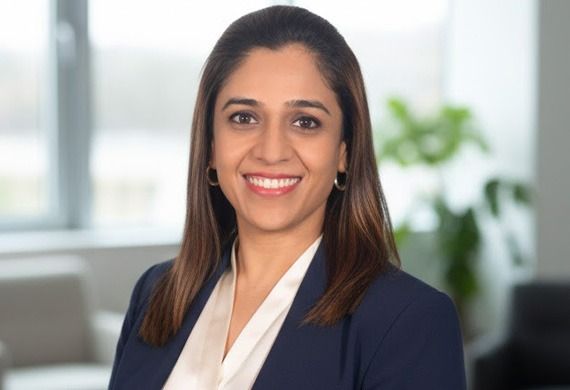
For Shwetha Nayak, HR Director, Arcadis, meaningful workplace transformation begins with respect, inclusion, empathy, and conscious leadership that empower people to grow while strengthening organizational performance.
Shwetha is a seasoned people and HR leader with over 25 years of experience across global organizations. She specializes in strategic people transformation, leadership development, inclusive cultures, GCC growth, talent strategy, and organizational change, with a strong focus on empowering leaders and building future-ready workplaces.
In an engaging interaction with Women Entrepreneurs Review Magazine, Shwetha shares her perspectives on her journey from engineering to HR leadership, people-centric transformation, authentic leadership, global workplace cultures, continuous learning, and empowering the next generation of women leaders.
Read the complete article for deeper insights into her leadership philosophy and perspectives.
Q1. From an engineering background in printing management to HR leadership, how did your career gradually redefine your understanding of business and people?
A. I started my career as a printing engineer, being the only woman on the shop floor. Back then, I thought success was all about machines, processes, and efficiency. Over time, I realized that even the best systems fail if people are not engaged, motivated, and aligned. Moving into HR gave me a front-row seat to the human side of business. Whether it is driving growth, managing change, or navigating uncertainty, people remain at the heart of every outcome.
Today, I see business and people as two sides of the same coin. Great business results rarely happen despite people; they happen because of them.
Q2. As HR became increasingly strategic in your journey, how did you develop the ability to connect people decisions with wider organizational priorities?
A. The shift happened when I stopped viewing HR initiatives as standalone programs and started asking a simple question: how does this help the business win? Whether discussing hiring, retention, leadership development, or culture, I learned to frame conversations around business outcomes. Working with senior leaders across industries taught me that credibility comes from understanding commercial realities as much as people priorities.
Today, when I think about talent decisions, I am also thinking about growth, client impact, capability building, and future readiness. The magic happens when people strategies are no longer seen as HR initiatives but as business enablers.
Q3. You have led several large-scale transformation initiatives. How have these experiences changed the way you view people, leadership, and what makes organizations successful?
A. Transformation taught me that change is rarely about technology, structures, or processes. It is about people. Every transformation creates uncertainty, and leaders often underestimate the emotional impact that comes with it.
I have learned that transparency, empathy, and consistent communication matter just as much as strategy. The most successful organizations are not necessarily those with the best plans but those that can bring people along on the journey. I have also learned that resilience is contagious. When leaders show authenticity, optimism, and clarity, teams are far more willing to embrace change and help shape the future.
Q4. Working across global teams, how did you develop your approach to making decisions that remain relevant across diverse workplace cultures?
A. Working across global teams taught me that while cultures differ, people are remarkably similar in what they value. Everyone wants to feel respected, heard, and valued. My approach is to stay grounded in common principles while remaining flexible in execution. What works in one country may need adapting in another, but fairness, trust, and transparency travel well across borders. I have learned to listen more than I speak, stay curious, and avoid assuming that my perspective is the only right one. Diversity of thought often leads to better decisions and stronger outcomes.
Q5. Your career has evolved alongside important personal milestones, including motherhood and continuous learning. How have these experiences shaped you as a leader and as a person?
A. Motherhood taught me patience, perspective, and perhaps most importantly, that you cannot do everything at the same time. Raising my son and daughter, whilst taking care of my aged in-laws helped me let go of the need to appear perfect and instead focus on what truly matters. It taught me to prioritize the right things at the right time, whether at home or at work. There were phases when family needed me more and phases when my career demanded greater attention. That experience made me a more empathetic leader, more comfortable with imperfection, and more confident in the belief that success is not about balancing everything every day, but about making conscious choices and being fully present for what matters most in that moment.
At the same time, I have always believed that learning should never stop. Recently, I learned to ride a Yamaha R15 sports bike and took up ‘dhol’ drumming, both of which reminded me what it feels like to be a beginner again. They taught me to embrace discomfort, laugh at mistakes, and keep going. I am now eyeing horseback riding and perhaps something equally crazy next. Growth, after all, starts when you are willing to look slightly ridiculous.
Q6. You spend a lot of time influencing senior leaders. What's one people-related insight that business leaders often underestimate?
A. Many leaders underestimate how closely employees watch what leaders do, not just what they say. A single decision, conversation, or action can have a far greater impact on culture than an expensive engagement program. People quickly notice consistency, authenticity, and fairness. They also notice when those qualities are missing.
In my experience, culture is built in everyday moments rather than annual initiatives or grand programs. The organizations that thrive are usually those where leaders understand that trust is not created through communication campaigns. It is earned through behaviour, decisions, and the example they set every day.
Q7. If you could give one piece of advice to your younger self at the start of your career, what would it be?
A. Stop worrying so much about having everything figured out. Early in my career, I thought successful people followed a perfectly planned path. The reality is much messier and far more interesting. Some of my best opportunities came from unexpected turns, difficult experiences, and saying yes before I felt fully ready. I would tell my younger self to be bolder, take more risks, and trust that growth comes from stretching beyond your comfort zone. Also, enjoy the journey a little more. Some of the most rewarding moments come from discovering new passions, embracing your fun side, and realizing that you are much bigger than what you do for a living!
Q8. From being one of the few women on the shop floor early in your career to becoming a senior HR leader, what has been the biggest turning point in your journey?
A. The biggest turning point was realizing that I did not have to fit someone else's definition of leadership. Early in my career, I often felt pressure to prove myself by being tougher, louder, or more assertive. Over time, I discovered that authenticity is a far more powerful leadership tool. The ability to listen, connect with people, and bring different perspectives together became one of my greatest strengths. Once I stopped trying to fit into predetermined moulds and started leading as myself, new opportunities opened up. That shift changed both my confidence and my career trajectory.
LAST WORD: Looking at the next generation of women leaders, what advice would you give them navigating career growth, changing priorities, and the many decisions that shape their professional journey?
Remember that careers are marathons, not sprints. There will be seasons when work takes centre stage and seasons when family, health, or personal priorities need more attention. That is normal. Do not compare your journey with anyone else's highlight reel. Keep learning, stay curious, and say yes to opportunities that scare you a little. Build strong relationships, seek sponsors, and believe in your capabilities even before others do. Most importantly, do not stop reinventing yourself. If a middle-aged HR leader can learn to ride a Yamaha R15 and play the dhol, imagine what is possible when you refuse to let age, fear, or convention define your limits!
Current Issue
Most Viewed
- 1 Talented Indian Female Actors Who Also Moonlight as Successful Producers
- 2 7 Indian Female Podcasters You Must Know About
- 3 7 Powerful Independent Indian Women Journalists Who are Voices of Change
- 4 Ruchikaa Kapoor Sheikh: The Creative Mind Behind Netflix India's Popular Shows
- 5 7 Most Influential Women Educators India has had over the Years
- 6 11 Breakthrough Female Faces Ruling the Indian OTT Platforms
- 7 8 Timeless Female Indian Classical Dancers & their Legacy
- 8 Women's Health Startup HerMD Closing Doors Amid Industry Challenges
- 9 Real Meets Reel: A List of 11 Indian Movies based on Real Women
- 10 Rasha Hassan: A Visionary Leader On A Mission To Transform Dubai's Real Estate Landscape
- 11 5 Indian Women-led IPOs You Must Know About
- 12 11 of the Most Iconic 21st Century Women to become "The First Indian Woman"
- 13 India's 7 Funniest Women Stand-Up Comics You Must Follow
- 14 Aparna Purohit : Leading India's Most Popular OTT Platforms
- 15 How Leaders Can Balance Risk & Innovation in Today's Banking Landscape
- 16 Dr. K. Shilpi Reddy: Sculpting Healthier Futures For The Next Generation With Reforms In Obstetrics Care
- 17 Sylvia Dcosta: A Visionary Business Leader Pushing The Limits And Setting High Professional Standards
- 18 Top 5 All-Rounder Women Cricketers of India
- 19 How Tata AIA is Empowering Women with Insurance That Understands Their Needs


