


Building a Business Without Sacrificing Personal Life
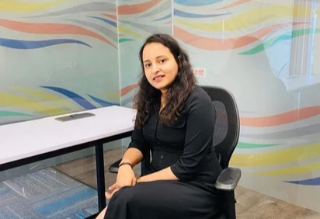 According to Ritika Garg, Founder and CEO of Avance PR, success initially was about gaining respect and proving she could create a business. Today, however, her definition of success means growing the business, giving her employees a chance and creating space for motherhood and living life outside work.
Ritika explains, “When I started Avance PR, victory meant earning trust and proving I could build a business. Today, it means taking the business to new heights, expanding into new locations and creating opportunities for my team, building lasting relationships and growing while making room for motherhood and life beyond work.”
The obstacles which Garg highlights in this regard are conditioning and feeling guilty about not being able to do everything as Ravana women have to.
“The ‘Ravana’ I see is our conditioning: the guilt of not being present everywhere or doing everything, whether at home or at work. We often carry the expectation of being perfect founders, mothers and partners simultaneously.”
To her, overcoming such pressure starts by accepting help and realising that career success is not all about women managing everything on their own.
“For me, victory also means letting go of that guilt, accepting support and recognising that I can pursue my ambitions without having to do everything myself, all of the time,” she concludes.
Also Read: Navratri & Dussehra Gift Guide: Thoughtful Gifting Ideas for Family
Success Is Measured by the Lives We Change
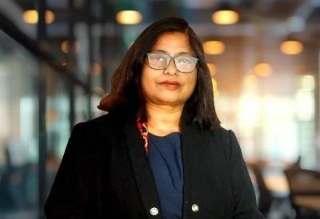 For Neha Choudhry, Co-Founder and Chief Idea Officer of Vikalp Online School, winning is not anymore about succeeding individually but in making a difference in other people's lives.
“Initially, I was measuring success through accomplishments and the obstacles I managed to overcome. With time, my idea of success has changed. Success now lies in being able to make a difference in other people’s lives,” Neha says.
Vikalp Online School, for instance, translates this to enhancing the learning process of children through experiential education and motivating them to go beyond being passive listeners to thinkers and questioners.
“In essence, we want to move from kids’ passive listening to their active thinking and asking questions.”
According to Choudhry, the most significant experiences are those where children think on their own, the teachers come up with innovative teaching techniques, and the weaker students begin doing well.
“It is not about building an organization anymore, but making a change in children’s lives.”
This Ravana that she refers to is that continuous urge within women to prove themselves.
She continues, “As external influences slowly take the shape of the internal dialogue that we hold with ourselves, we start questioning our capabilities and decisions.”
She feels that women should not wait until self-doubt is gone to take up opportunities; rather, they need to stop self-doubt from influencing their decisions and be able to build on their strengths without being limited to an idea of what a leader is.
Also Read: Amazon to Myntra: 9 Big Festive Sales You Can't Miss in 2026
The Power of Collective Success
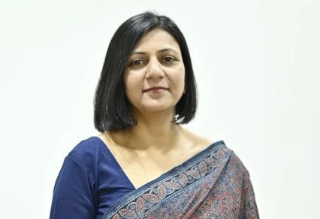 To Anuja Kishore, Lighthouse Communities Foundation’s Chief Strategy and Transformation Officer, success is more of a team effort than an individual accomplishment.
“For me, victory today is about collective success, shared joy, and the happiness of enjoying the journey together. Over the years, I have come to see that leadership is not about reaching any milestone alone. What is a victory if you cannot share it with others?”
Self-doubt is one of the Ravanas women experience even today, which is influenced by the expectations that they are exposed to when growing up.
Anuja shares, “I would say self-doubt is one Ravana that many women, not just me, still have to overcome. We often grow up hearing what we should or should not do, and over time, those expectations become a part of our narrative and how we operate.”
To her, overcoming self-doubt starts with self-acceptance, where one finds their voice and realizes that they deserve to be there.
“The first step is to become comfortable in our own skin, find our voice, and believe that we deserve to be in the room.”
But she stresses that confidence demands continuous effort.
“Of course, confidence does not appear overnight. It takes continuous, consistent effort to prepare ourselves, build our capabilities, speak up, and keep learning.”
Current Issue

Most Viewed
- 1 Talented Indian Female Actors Who Also Moonlight as Successful Producers
- 2 7 Indian Female Podcasters You Must Know About
- 3 7 Powerful Independent Indian Women Journalists Who are Voices of Change
- 4 Ruchikaa Kapoor Sheikh: The Creative Mind Behind Netflix India's Popular Shows
- 5 7 Most Influential Women Educators India has had over the Years
- 6 11 Breakthrough Female Faces Ruling the Indian OTT Platforms
- 7 8 Timeless Female Indian Classical Dancers & their Legacy
- 8 Women's Health Startup HerMD Closing Doors Amid Industry Challenges
- 9 Real Meets Reel: A List of 11 Indian Movies based on Real Women
- 10 Rasha Hassan: A Visionary Leader On A Mission To Transform Dubai's Real Estate Landscape
- 11 5 Indian Women-led IPOs You Must Know About
- 12 11 of the Most Iconic 21st Century Women to become "The First Indian Woman"
- 13 India's 7 Funniest Women Stand-Up Comics You Must Follow
- 14 Aparna Purohit : Leading India's Most Popular OTT Platforms
- 15 How Leaders Can Balance Risk & Innovation in Today's Banking Landscape
- 16 Dr. K. Shilpi Reddy: Sculpting Healthier Futures For The Next Generation With Reforms In Obstetrics Care
- 17 Sylvia Dcosta: A Visionary Business Leader Pushing The Limits And Setting High Professional Standards
- 18 Top 5 All-Rounder Women Cricketers of India
- 19 How Tata AIA is Empowering Women with Insurance That Understands Their Needs


