


This Dussehra, women leaders share how their definitions of victory have evolved over time and the personal and professional challenges women must overcome to lead on their own terms.
Dussehra is all about the victory of good over evil. This idea is not just limited to the mythological legends associated with the festival but extends to the real-life experience of women in the professional world, who redefine victory in their own way.
Success does not merely mean reaching professional heights or gaining recognition in business anymore. This is as much about bringing about change, developing sustainable organizations, helping others, and carving out time for oneself. However, the challenges or “Ravanas” that women face, stem from prejudice at work, conditioning by society, and trying to live up to two different standards.
On this Dussehra, WER spoke to Indian women business leaders about what victory and success means to them. They discuss the changing perspective of victory and the “Ravanas” or roadblocks they believe must be overcome for women to build successful professional careers.
Victory Is Knowing What Truly Matters
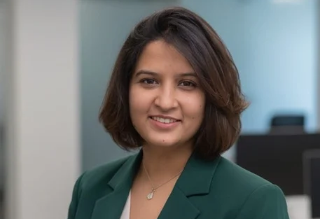 In Subarna Mukherjee’s case, Founder & Global CEO of Shop Culture, winning is no longer about typical business growth but about a more sustainable idea of success.
She shares, “As I started my career, I measured ‘victory’ in the way most businesses measure growth: top line. Bigger titles, bigger teams, bigger GMV. Today I measure it the way I tell clients to measure their business, which is margin. The question I ask now is not how much I won. It is what winning costs, and whether it was worth it.”
When looking back at her early career, Mukherjee admits that sometimes she had to compromise her personal life, which involved giving up sleep for the sake of success. Currently, being successful means assembling a team that is capable of making good decisions, keeping clients because the company offers something to them and trusting the process without micromanaging.
Ravana, as portrayed by her, is the burden of meeting conflicting demands that women have to carry.
“Ravana had ten heads, and that is the version women still fight: ten expectations at once. Be decisive but not aggressive. Ambitious but not hungry. Present at home and unmissable at work.”
In her opinion, a woman cannot excel in all areas of life at once and needs to find out what is more important for her.
“In ecommerce, a brand that tries to win every metric wins none. The answer is to pick the two or three that matter and accept being average at the rest. Women are rarely given permission to do that. My advice is to stop waiting for permission and cut a few heads off yourself,” she added.
Current Issue

Most Viewed
- 1 Talented Indian Female Actors Who Also Moonlight as Successful Producers
- 2 7 Indian Female Podcasters You Must Know About
- 3 7 Powerful Independent Indian Women Journalists Who are Voices of Change
- 4 Ruchikaa Kapoor Sheikh: The Creative Mind Behind Netflix India's Popular Shows
- 5 7 Most Influential Women Educators India has had over the Years
- 6 11 Breakthrough Female Faces Ruling the Indian OTT Platforms
- 7 8 Timeless Female Indian Classical Dancers & their Legacy
- 8 Women's Health Startup HerMD Closing Doors Amid Industry Challenges
- 9 Real Meets Reel: A List of 11 Indian Movies based on Real Women
- 10 Rasha Hassan: A Visionary Leader On A Mission To Transform Dubai's Real Estate Landscape
- 11 5 Indian Women-led IPOs You Must Know About
- 12 11 of the Most Iconic 21st Century Women to become "The First Indian Woman"
- 13 India's 7 Funniest Women Stand-Up Comics You Must Follow
- 14 Aparna Purohit : Leading India's Most Popular OTT Platforms
- 15 How Leaders Can Balance Risk & Innovation in Today's Banking Landscape
- 16 Dr. K. Shilpi Reddy: Sculpting Healthier Futures For The Next Generation With Reforms In Obstetrics Care
- 17 Sylvia Dcosta: A Visionary Business Leader Pushing The Limits And Setting High Professional Standards
- 18 Top 5 All-Rounder Women Cricketers of India
- 19 How Tata AIA is Empowering Women with Insurance That Understands Their Needs


