
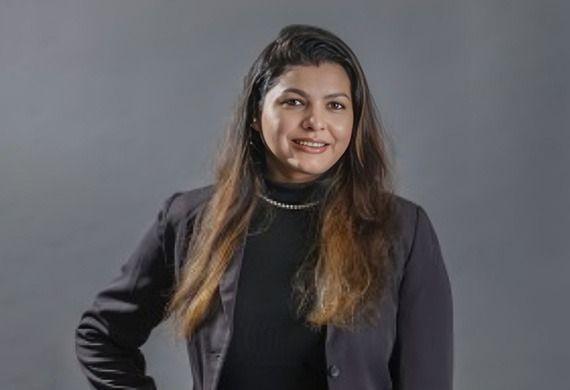

Bhavna Mishra Nanda is an accomplished marketing and PR professional with over 18 years of experience in brand strategy, digital marketing, and corporate communications. As Director of Marketing for 12 Holiday Inn Express hotels in India, she leads strategic campaigns and initiatives, balancing her professional pursuits with travel, painting, and family time.
To explore, how women leaders are reshaping brands, culture, and trust in hospitality-read the full article below.
In today’s dynamic business landscape, the role of women leaders has evolved far beyond operational excellence or functional expertise. Women are not just leading teams—they’re architecting trust, shaping culture, and transforming brands from the inside out.
In hospitality, where every guest touchpoint is a reflection of brand promise, this evolution is especially profound. As someone who has spent nearly two decades in PR and marketing, and now leads communications and branding across 12 Holiday Inn Express hotels in India, I’ve witnessed—and lived—the shift firsthand.
Women leaders are no longer just representing brands. We’re designing them. We’re embedding values, building systems, and creating emotionally intelligent cultures that resonate with both guests and teams.
From Representation to Architecture
Historically, women in marketing and PR were seen as brand ambassadors—skilled communicators who could amplify messages and manage reputation. But today, the most impactful women leaders are brand architects. We don’t just represent—we build. We diagnose, design, and deliver experiences that reflect purpose, clarity, and care. This shift is especially visible in hospitality, where trust is earned not just through service, but through consistency, empathy, and cultural alignment. Whether launching a hotel, leading a sustainability initiative, or mentoring Gen Z talent, the work is no longer about visibility alone—it’s about transformation.
Strategic Communication Rooted in Trust
Trust is the currency of modern brands. And strategic communication—when done with emotional intelligence—is its most powerful engine. For me, communication has always been more than messaging. It’s about meaning. It’s about helping people feel seen, heard, and empowered. The #MoreThanReady campaign by Holiday Inn Express exemplifies this. Designed for the modern traveler, it celebrated smart stays, quick check-ins, and power showers—but more importantly, it championed a mindset. It invited guests to feel prepared, confident, and cared for. That same philosophy guides how I communicate with teams. Whether it’s a launch announcement, a recognition post, or a mentorship update, the goal is always the same: to build trust through clarity, empathy, and relevance. Communication isn’t just a tool—it’s a cultural lever.
Sustainability as a Brand Narrative
Women leaders are also redefining how brands engage with the world. ESG is no longer a compliance checkbox—it’s a storytelling opportunity. It’s a chance to show what a brand stands for, not just what it sells. Leading the BuffIndia campaign across our hotels was a turning point. Partnering with India’s leading cigarette waste management company, we turned a complex issue into a compelling narrative. The initiative wasn’t just implemented—it was celebrated. It became a symbol of our commitment to impact, visibility, and purpose. Similarly, the ADDA Campaign in Holiday Inn Express Kolkata New Town is not just CSR—it is a cultural storytelling. We created spaces for dialogue, action, and media engagement. These initiatives proved that when sustainability is embedded into brand DNA, it attracts not just attention—but admiration.
Building Cultures of Psychological Safety
Trust isn’t built through slogans—it’s built through systems.
Women leaders often bring a unique lens to culture-building: one that values emotional intelligence, psychological safety, and inclusive growth.
When culture is designed intentionally, it becomes scalable. It becomes a source of retention, engagement, and pride. And it becomes a reflection of the leader behind it.
Visual Communication as a Strategic Lever
Women leaders often bring a design mindset to leadership—one that values aesthetics, clarity, and emotional resonance. For me, visuals aren’t just decorative—they’re strategic. Whether it’s milestone artwork, recognition layouts, or campaign scorecards, design helps mobilize teams and reinforce values. Recognition, in particular, is treated as a ritual. When a team member achieves something remarkable, it’s not just acknowledged—it’s honored. Our visuals are tailored, thoughtful, and aligned with our brand voice. This approach has helped us build a culture where success is visible, values are reinforced, and every celebration becomes a moment of meaning.
Recognition as a Driver of Transformation
Recognition is not just a feel-good gesture—it’s a strategic lever. Winning the title for Head of PR & Marketing at the BW Hotelier Awards was a personal milestone, but it also reaffirmed a core belief: that visibility drives transformation. When achievements are celebrated, they become contagious. When success is made visible, it becomes scalable.
Every celebration is a chance to say: “You matter. Your work matters.
We see you.” Women leaders understand that recognition isn’t just about applause—it’s about alignment. It’s about reinforcing what the brand stands for, and who it chooses to elevate.
The Future: Women as Cultural Architects
As the business world continues to evolve, the role of women leaders will only grow more vital. We are not just managing brands—we are shaping them. We are not just leading teams—we are designing cultures. And we are not just driving results—we are building trust.
The future belongs to leaders who can:
- Blend strategy with empathy
- Embed sustainability into brand identity
- Design rituals that reinforce values
- Build psychologically safe environments
- Communicate with clarity, care, and courage
Women are uniquely positioned to lead this transformation. Our lived experiences, emotional intelligence, and collaborative instincts make us powerful architects of trust and change.
Conclusion
Leadership today is not about control—it’s about connection. It’s not about visibility alone—it’s about values. And it’s not about managing perception—it’s about shaping belief.
Women leaders across industries are proving that brand transformation begins within. It starts with empathy, clarity, and a deep understanding of what people need—not just as consumers, but as human beings.
In hospitality, where every moment is a reflection of brand promise, this kind of leadership is not just valuable—it’s essential. And as we continue to build systems, stories, and spaces that empower others, one truth becomes clear:
We’re not just ready. We’re more than ready.
Current Issue

Most Viewed
- 1 Talented Indian Female Actors Who Also Moonlight as Successful Producers
- 2 7 Indian Female Podcasters You Must Know About
- 3 7 Powerful Independent Indian Women Journalists Who are Voices of Change
- 4 Ruchikaa Kapoor Sheikh: The Creative Mind Behind Netflix India's Popular Shows
- 5 7 Most Influential Women Educators India has had over the Years
- 6 11 Breakthrough Female Faces Ruling the Indian OTT Platforms
- 7 8 Timeless Female Indian Classical Dancers & their Legacy
- 8 Women's Health Startup HerMD Closing Doors Amid Industry Challenges
- 9 Real Meets Reel: A List of 11 Indian Movies based on Real Women
- 10 Rasha Hassan: A Visionary Leader On A Mission To Transform Dubai's Real Estate Landscape
- 11 5 Indian Women-led IPOs You Must Know About
- 12 11 of the Most Iconic 21st Century Women to become "The First Indian Woman"
- 13 India's 7 Funniest Women Stand-Up Comics You Must Follow
- 14 Aparna Purohit : Leading India's Most Popular OTT Platforms
- 15 How Leaders Can Balance Risk & Innovation in Today's Banking Landscape
- 16 Dr. K. Shilpi Reddy: Sculpting Healthier Futures For The Next Generation With Reforms In Obstetrics Care
- 17 Sylvia Dcosta: A Visionary Business Leader Pushing The Limits And Setting High Professional Standards
- 18 Top 5 All-Rounder Women Cricketers of India
- 19 How Tata AIA is Empowering Women with Insurance That Understands Their Needs


