
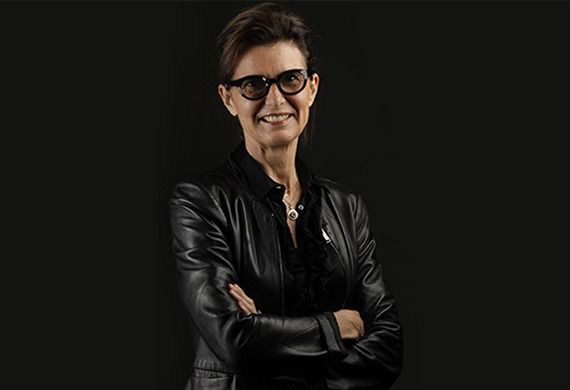

Giulia Baima Bollone is a design professional who emphasizes balancing innovation with timeless principles, creating interiors that remain relevant while adapting to evolving trends, lifestyles, and functional needs, ensuring thoughtful, future-ready living environments.
In an insightful interaction with Charulatha M, Senior Correspondent at Women Entrepreneurs Review International Magazine, Giulia shares her perspectives on how interior design is evolving beyond aesthetics to become a strategic driver of real estate value, shaping revenue, user experience, and long-term business growth through thoughtful, human-centered, and commercially aligned design approaches.
Read the complete article below for deeper insights.
How do you see the business of interior design redefining its place within real estate today, beyond aesthetics and into long-term asset and value creation?
Interior design today extends far beyond aesthetics and functions as a strategic driver of long-term real estate value. By prioritizing livability efficient planning, adaptability, sustainability, and integration of technology it enhances daily comfort, emotional well-being, and functional performance within a home.
When a space reduces friction, supports evolving lifestyles, and improves quality of life, it naturally increases user satisfaction, retention, and willingness to invest, thereby strengthening occupancy rates, rental yields, and resale potential. In this way, interior design becomes a human-centered value multiplier: by improving how people live, it directly elevates the economic and competitive strength of the real estate asset over time.
How has it influenced the way you personally think about design as a revenue driver rather than a supporting function within projects?
My perspective on design has evolved significantly as I began to see how spatial decisions influence commercial outcomes. It is not simply how it affects people visually, but also how it affects people’s interactions within the space, how long they stay, and how they perceive a brand. This has led to design being recognized as a key driver in revenue generation within project planning. It demands effective collaboration with other departments to ensure design aligns with business objectives. Once done in such a manner, it becomes instrumental to the success of the project in terms of finance.
What thought processes naturally shape interior design businesses that successfully balance emotion, functionality, and commercial outcomes?
Successful interior design businesses operate with a dual lens of empathy and strategy, balancing emotional resonance with measurable outcomes. They deeply listen to clients to create spaces that feel relatable and personally meaningful, fostering a sense of association that makes environments cozier, more comfortable, and truly lived-in recognizing that this connection varies from person to person.
At the same time, they ground creativity in research, cultural awareness, sustainability, and technological integration, thinking beyond trends to anticipate evolving user expectations. Commercial discipline—clarity on budgets, timelines, and return on investment—ensures that emotional storytelling is supported by operational logic. By treating creativity as a structured, intentional process rather than spontaneous inspiration, they deliver environments that are meaningful, functional, and financially viable.
As client expectations continue to change, what does this shift mean for women-led interior design firms positioning themselves for the future?
As client expectations evolve toward greater transparency, sustainability, inclusivity, and measurable impact, interior design firms must position themselves as strategic, accountable partners rather than aesthetic service providers.
Leadership grounded in collaboration, empathy, and long-term thinking naturally aligns with these priorities, and many women-led firms bring a nuanced, well-rounded sensitivity that fosters deeper client connection and a sense of softness that enhances how spaces are experienced.
However,
the future of the industry is ultimately gender-neutral what truly matters is the ability to create environments that are comfortable, functional, emotionally resonant, and commercially sound.
Firms that combine empathetic listening with expertise in sustainable materials, adaptive planning, and data-informed decision-making, while confidently leading strategic and financial discussions, will shape the next chapter of interior design regardless of who leads them.
How do you see interior design businesses evolving in the way they grow, build influence, and remain relevant over time?
Interior design businesses are evolving from boutique studios into strategic partners within the real estate value chain, expanding into design advisory, sustainability consulting, workplace strategy, and brand integration.
Growth today is driven by research-led thinking, digital presence, thought leadership, and the ability to measure the tangible impact of design decisions.
Firms that remain relevant are those adapting to hybrid lifestyles, health-conscious planning, and sustainable initiatives while forming strategic partnerships within the transforming real estate ecosystem.
Simultaneously, the rise of AI-driven and automated technologies is reshaping the paradigm of comfort and performance offering efficiency but also demanding careful calibration to ensure ease of maintenance and long-term adaptability. The core role of the interior designer therefore becomes advisory: guiding clients on integrating technology aligned with their usage patterns, financial appropriateness, and future-readiness, while preserving emotional connection and human experience. As this evolution continues, strategic thinking and informed counsel will become as critical as creative execution.
What advice would you share with women building interior design businesses today about creating influence and longevity in a rapidly evolving real estate landscape?
For women building interior design businesses today, influence begins with clarity of vision and depth of expertise. It is important to move beyond positioning as creative consultants and step confidently into strategic leadership roles. Building longevity requires investing in strong teams, transparent processes, and measurable performance metrics.
Financial literacy and commercial understanding are just as critical as design sensitivity. Developing a distinct point of view, consistently sharing insights, and nurturing industry relationships will strengthen credibility over time. In a rapidly evolving real estate environment, resilience, continuous learning, and the courage to negotiate value fairly are essential to building enduring, respected businesses.
Current Issue
Most Viewed
- 1 Talented Indian Female Actors Who Also Moonlight as Successful Producers
- 2 7 Indian Female Podcasters You Must Know About
- 3 7 Powerful Independent Indian Women Journalists Who are Voices of Change
- 4 Ruchikaa Kapoor Sheikh: The Creative Mind Behind Netflix India's Popular Shows
- 5 7 Most Influential Women Educators India has had over the Years
- 6 11 Breakthrough Female Faces Ruling the Indian OTT Platforms
- 7 8 Timeless Female Indian Classical Dancers & their Legacy
- 8 Women's Health Startup HerMD Closing Doors Amid Industry Challenges
- 9 Real Meets Reel: A List of 11 Indian Movies based on Real Women
- 10 Rasha Hassan: A Visionary Leader On A Mission To Transform Dubai's Real Estate Landscape
- 11 5 Indian Women-led IPOs You Must Know About
- 12 11 of the Most Iconic 21st Century Women to become "The First Indian Woman"
- 13 India's 7 Funniest Women Stand-Up Comics You Must Follow
- 14 Aparna Purohit : Leading India's Most Popular OTT Platforms
- 15 How Leaders Can Balance Risk & Innovation in Today's Banking Landscape
- 16 Dr. K. Shilpi Reddy: Sculpting Healthier Futures For The Next Generation With Reforms In Obstetrics Care
- 17 Sylvia Dcosta: A Visionary Business Leader Pushing The Limits And Setting High Professional Standards
- 18 Top 5 All-Rounder Women Cricketers of India
- 19 How Tata AIA is Empowering Women with Insurance That Understands Their Needs


