
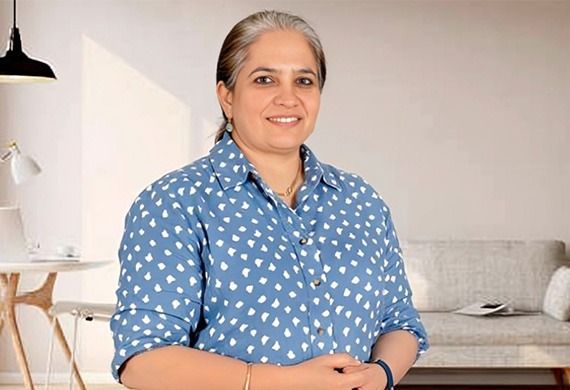

Sunita Chaudhary brings 25 years of experience in the service and travel industry. She has held leadership roles with Sahara Airlines, TravelGuru.com, and Cox & King, driving growth and innovation across diverse travel and hospitality operations.
In the following article, Sunita explores how technology and human touch together create memorable, personalized, and efficient experiences in corporate hospitality.
Read the full article below to learn more.
In the fast-paced world of corporate hospitality, efficiency and scale often take centre stage. Yet, amid evolving business demands and digital processes, the human touch remains the true differentiator. Bridging the human touch in corporate hospitality means creating meaningful, personalized experiences that go beyond flawless logistics and leave a lasting emotional impression.
Corporate guests value recognition, empathy, and attentiveness.
A warm welcome, proactive problem-solving, and an intuitive understanding of client expectations can transform routine business interactions into memorable experiences.
Whether it is remembering a returning client’s preferences, responding calmly to last-minute changes, or offering thoughtful gestures, human connection builds trust and strengthens professional relationships.
Empowered teams are at the heart of this approach. When staff are trained to communicate effectively, read non-verbal cues, and act with cultural sensitivity, they elevate service quality. Human-centric hospitality also fosters collaboration, ensuring clients feel supported rather than managed.
In an increasingly standardized corporate environment, organizations that prioritize genuine care and personal engagement stand out. By consciously bridging the human touch into every interaction, corporate hospitality professionals can create experiences that feel authentic, build loyalty, and drive long-term business value—proving that people, not processes alone, define exceptional hospitality.Top of Form
Technology has significantly transformed corporate hospitality, redefining how organizations deliver experiences to business travellers, clients, and event delegates. Its impact is seen across operations, personalization, and overall service quality, making hospitality more efficient, responsive, and data-driven.
One of the key impacts of technology is enhanced efficiency. Digital check-ins, automated booking systems, and integrated event management platforms reduce manual processes, minimize errors, and save time for both guests and service teams. This allows hospitality professionals to manage large-scale corporate events and business travel with greater precision.
Technology also enables personalized experiences. Customer Relationship Management (CRM) systems, AI-driven analytics, and mobile apps help capture guest preferences, behavior, and feedback. This data allows hotels and event organizers to tailor services—such as customized room settings, curated dining options, and personalized agendas—creating a more engaging and relevant experience for corporate clients.
Real-time communication is another major advantage. Event apps, chatbots, and instant notifications keep guests informed about schedules, changes, and services, improving convenience and satisfaction. Additionally, virtual and hybrid event technologies have expanded reach, enabling global participation while reducing costs.
Overall, technology empowers corporate hospitality to be smarter, more scalable, and more guest-centric.
When used strategically, it not only improves operational performance but also supports stronger client relationships and measurable business outcomes.
In today’s corporate hospitality landscape, technology is no longer a differentiator—it is an expectation. Yet, the true competitive advantage lies in how seamlessly technology enhances, rather than replaces, the human touch. In corporate events, MICE programs, and executive hospitality, success is defined by creating experiences that feel both efficient and emotionally engaging.
Digital tools such as AI-driven personalization, event apps, CRM platforms, and data analytics enable planners to anticipate preferences, streamline logistics, and deliver consistency at scale. From personalized room settings and smart check-ins to real-time agenda updates and attendee insights, technology ensures precision and speed. However, it is the human element—empathetic service, intuitive problem-solving, and authentic interactions—that transforms these moments into memorable experiences.
The future of corporate hospitality lies in this balance. Trained teams empowered by technology can focus less on processes and more on people—reading unspoken needs, handling last-minute changes gracefully, and building trust with clients and delegates. Thoughtful gestures, cultural sensitivity, and proactive communication remain irreplaceable, even in the most digitally advanced environments.
By strategically integrating technology with human-centric service design, corporate hospitality professionals can deliver experiences that are not only smart and scalable, but also warm, meaningful, and impactful—driving stronger client relationships and long-term business value.
Current Issue
Most Viewed
- 1 Talented Indian Female Actors Who Also Moonlight as Successful Producers
- 2 7 Indian Female Podcasters You Must Know About
- 3 7 Powerful Independent Indian Women Journalists Who are Voices of Change
- 4 Ruchikaa Kapoor Sheikh: The Creative Mind Behind Netflix India's Popular Shows
- 5 7 Most Influential Women Educators India has had over the Years
- 6 11 Breakthrough Female Faces Ruling the Indian OTT Platforms
- 7 8 Timeless Female Indian Classical Dancers & their Legacy
- 8 Women's Health Startup HerMD Closing Doors Amid Industry Challenges
- 9 Real Meets Reel: A List of 11 Indian Movies based on Real Women
- 10 Rasha Hassan: A Visionary Leader On A Mission To Transform Dubai's Real Estate Landscape
- 11 5 Indian Women-led IPOs You Must Know About
- 12 11 of the Most Iconic 21st Century Women to become "The First Indian Woman"
- 13 India's 7 Funniest Women Stand-Up Comics You Must Follow
- 14 Aparna Purohit : Leading India's Most Popular OTT Platforms
- 15 How Leaders Can Balance Risk & Innovation in Today's Banking Landscape
- 16 Dr. K. Shilpi Reddy: Sculpting Healthier Futures For The Next Generation With Reforms In Obstetrics Care
- 17 Sylvia Dcosta: A Visionary Business Leader Pushing The Limits And Setting High Professional Standards
- 18 Top 5 All-Rounder Women Cricketers of India
- 19 How Tata AIA is Empowering Women with Insurance That Understands Their Needs


