
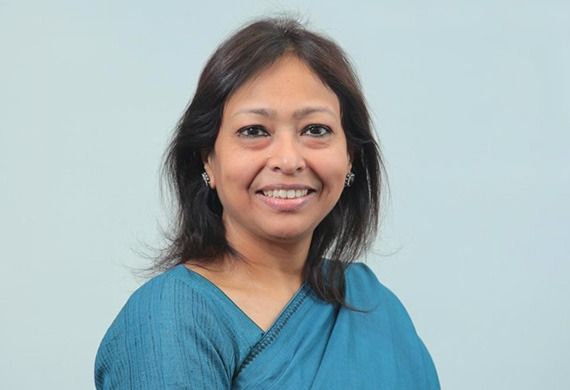

Today, effective leadership goes beyond delivering business outcomes; it demands the ability to build inclusive cultures, develop future-ready talent, and create workplaces where purpose, performance, and human potential grow together.
In an exclusive interaction with Women Entrepreneurs Review Magazine, Shalini Naagar, Senior Director HR- India & Global Shared services, Baxter India, a transformational human resources leader with over 25 years of experience across healthcare, IT, ITES, retail, and energy. Having led strategic people initiatives, built high-performing HR teams, and driven organizational transformation, she brings a holistic perspective on shaping sustainable workplaces and empowering people to thrive.
Reflecting on her leadership journey, Shalini shares valuable insights on the evolution of leadership, designing people-centric organizations, fostering authenticity and inclusivity, developing strategic HR leaders, empowering global teams, and helping women leaders build lasting influence through purpose, resilience, and continuous growth.
Read the complete article for deeper insights on HR leadership.
Q1. Over more than two decades of diverse leadership experiences, how did your personal definition of leadership identity begin to take shape and evolve internally?
A. My understanding of leadership evolved gradually through experiences that challenged both my capabilities and perspectives. Early in my career, I equated leadership with expertise, execution, and achieving results. Over time, I realized that sustainable leadership is far less about having all the answers and far more about creating the conditions for others to succeed.
As I moved across industries, teams, and geographies, I learned that influence comes from trust, authenticity, and purpose rather than position. Today, I see leadership as the ability to inspire clarity amidst complexity, build environments where people can thrive, and make decisions that create value for both the organization and the individuals who power it.
Q2. Building on that evolution, how did successive transitions broaden your leadership lens from functional execution toward enterprise-wide people strategy and design thinking?
A. Every leadership transition expanded my view beyond immediate operational priorities and exposed me to larger organizational systems. While my initial focus was on delivering functional outcomes, broader responsibilities required me to understand how talent, culture, capability, and business strategy intersect.
This shift encouraged me to think more holistically and adopt principles of design thinking, placing the employee experience at the center of organizational solutions. I began viewing HR not as a support function but as a strategic enabler of business transformation. These experiences reinforced the importance of anticipating future workforce needs, designing scalable people solutions, and creating ecosystems where both performance and innovation can flourish.
Q3. What core beliefs consistently guide your decisions when shaping large-scale HR systems that must balance purpose, performance, and human experience?
A. I believe that organizations achieve sustainable success when business outcomes and people outcomes are treated as complementary rather than competing priorities. When designing HR systems, I am guided by three principles: fairness, simplicity, and impact. People perform at their best when expectations are clear, opportunities are equitable, and they feel valued for their contributions. I also believe that processes should enable rather than burden employees. Most importantly, every decision should connect to a meaningful purpose while remaining anchored in business reality. Balancing these elements requires thoughtful design, continuous listening, and a willingness to adapt. Ultimately, strong HR systems should enhance both organizational performance and human potential.
Q4. How do you translate authenticity and inclusivity into daily leadership behaviors that remain consistent across global distributed environments and expectations?
A. Authenticity begins with self-awareness and consistency. I strive to lead with transparency, communicate openly, and remain approachable regardless of title or geography. Inclusivity, for me, is demonstrated through everyday actions such as actively seeking diverse perspectives, creating space for all voices to be heard, and ensuring decisions consider different experiences and contexts. In global environments, consistency does not mean uniformity; it means applying the same values while respecting cultural nuances. I make a conscious effort to listen deeply, challenge unconscious biases, and encourage meaningful dialogue. These practices help build trust, strengthen collaboration, and create belonging, regardless of location, role, or background.
Q5. What approach do you use to cultivate leadership depth in HR professionals so they operate as strategic architects rather than support partners?
A. Developing strategic HR leaders starts with expanding their perspective beyond process execution. I encourage HR professionals to deepen their understanding of business strategy, market dynamics, and organizational priorities. Exposure to cross-functional initiatives, transformation projects, and business decision-making helps them build commercial acumen and systems thinking. Equally important is fostering curiosity and critical thinking so they learn to challenge assumptions and identify opportunities proactively. I emphasize ownership, influence, and solution design rather than transactional problem-solving.
When HR professionals understand how talent strategies drive business outcomes, they naturally evolve from being support partners to becoming trusted advisors and architects of organizational success.
Q6. How do you design empowerment mechanisms that allow autonomy while ensuring alignment across complex global shared service ecosystems without diluting accountability or clarity of outcomes?
A. Empowerment is most effective when accompanied by clarity. In complex global environments, I focus on establishing a shared purpose, clearly defined roles, and measurable outcomes before delegating authority. When people understand the broader objective and how their work contributes to it, they can make decisions confidently without constant supervision. I also believe in creating transparent governance mechanisms that encourage collaboration while maintaining accountability. Regular check-ins, outcome-based metrics, and open communication channels help sustain alignment. Rather than controlling every decision, leaders should create guardrails that guide priorities and behaviors. This balance enables agility, fosters ownership, and ensures consistent delivery across distributed teams.
Q7. How has working at the intersection of purpose and large-scale impact reshaped your own understanding of meaningful leadership success over time?
A. Earlier in my career, success was often measured through milestones, achievements, and operational outcomes. While those remain important, my perspective has expanded significantly. Working on initiatives that influence employees, leaders, and organizations at scale has reinforced that meaningful leadership is ultimately about creating lasting positive impact.
Success is reflected in the capabilities we build, the cultures we shape, and the opportunities we create for others to grow. It is deeply rewarding to see individuals realize their potential and organizations become stronger because of thoughtful people strategies. Today, I define leadership success not by personal accomplishments but by the value and legacy created through others.
Q8. What patterns have you observed in how women leaders can amplify influence while staying grounded in personal values across global roles?
A. One consistent pattern I have observed is that influential women leaders lead with clarity of purpose and a strong sense of self. They do not feel compelled to conform to preconceived leadership stereotypes but instead leverage their unique strengths with confidence.
The most impactful leaders combine credibility with empathy, build authentic relationships, and remain deeply aligned to their values even in complex environments. They invest in continuous learning, seek diverse perspectives, and demonstrate resilience through change. Importantly, they understand that influence is not about visibility alone; it is about consistently creating value, building trust, and inspiring others through actions that reflect both competence and integrity.
LAST WORD: What simple but powerful advice would you give to emerging women leaders on building a long, meaningful, and impactful leadership journey?
My advice is simple: focus on growth, not perfection. Many talented women hesitate because they believe they must be completely ready before taking on new opportunities. Leadership develops through experience, not certainty. Be willing to take calculated risks, embrace challenges, and learn from setbacks. Invest in building expertise, relationships, and self-awareness with equal commitment. Stay grounded in your values because authenticity creates credibility that no title can provide. Seek mentors, support other women, and remain curious throughout your journey. Most importantly, remember that leadership is a marathon, not a sprint. Sustained impact comes from continuous learning, resilience, and the courage to keep evolving.
Current Issue
Most Viewed
- 1 Talented Indian Female Actors Who Also Moonlight as Successful Producers
- 2 7 Indian Female Podcasters You Must Know About
- 3 7 Powerful Independent Indian Women Journalists Who are Voices of Change
- 4 Ruchikaa Kapoor Sheikh: The Creative Mind Behind Netflix India's Popular Shows
- 5 7 Most Influential Women Educators India has had over the Years
- 6 11 Breakthrough Female Faces Ruling the Indian OTT Platforms
- 7 8 Timeless Female Indian Classical Dancers & their Legacy
- 8 Women's Health Startup HerMD Closing Doors Amid Industry Challenges
- 9 Real Meets Reel: A List of 11 Indian Movies based on Real Women
- 10 Rasha Hassan: A Visionary Leader On A Mission To Transform Dubai's Real Estate Landscape
- 11 5 Indian Women-led IPOs You Must Know About
- 12 11 of the Most Iconic 21st Century Women to become "The First Indian Woman"
- 13 India's 7 Funniest Women Stand-Up Comics You Must Follow
- 14 Aparna Purohit : Leading India's Most Popular OTT Platforms
- 15 How Leaders Can Balance Risk & Innovation in Today's Banking Landscape
- 16 Dr. K. Shilpi Reddy: Sculpting Healthier Futures For The Next Generation With Reforms In Obstetrics Care
- 17 Sylvia Dcosta: A Visionary Business Leader Pushing The Limits And Setting High Professional Standards
- 18 Top 5 All-Rounder Women Cricketers of India
- 19 How Tata AIA is Empowering Women with Insurance That Understands Their Needs


