
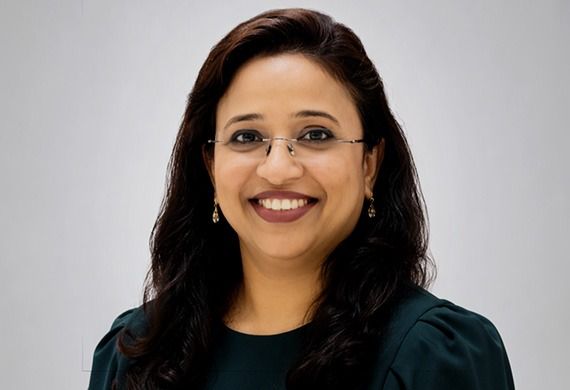

What does it take to lead with purpose, drive growth, and stay resilient in a fast-evolving business world? Business leader, Anshu Jain talks about different facets of effective leadership, in an exclusive conversation with Women Entrepreneurs Review magazine.
Anshu Jain is recognized for driving large-scale global operations and building high-impact teams over the past decade. After returning to the workforce following a 12-year career break, she advanced from a part-time role to senior leadership, shaping a leadership style grounded in empathy, resilience, and performance excellence. She is a strong advocate for women’s empowerment, inclusive leadership, and creating sustainable career pathways that enable women to grow, lead, and succeed with confidence.
Through the conversation, Anshu shares her leadership journey, from overcoming barriers and returning to the workforce to building high-performing teams and driving sustainable growth. She reflects on the power of empowerment, intentionality, and continuous learning, while offering candid advice to women ready to take risks, embrace change, and lead with impact.
Q1. As a woman leader, what key challenges have you faced in India’s business services sector, and how did those experiences shape your approach to leadership?
A. In India’s business services sector, the pace and scale demand constant adaptability. Early in my career, one challenge I faced was having to establish credibility repeatedly, which taught me the importance of clarity, preparation, and decisive communication. I realized that in an always‑on global environment, women are constantly balancing ambition with personal commitments, and true success comes from designing sustainable systems that support us rather than expecting ourselves to run on constant overdrive.
Returning to the workforce after a long career break was a particularly transformative experience. It shaped my belief in empathetic leadership with a high bar and understanding people’s contexts while expecting excellence. Today, I lead with a strong focus on empowerment, sponsorship, and inclusion, because I’ve seen firsthand how giving people the right opportunities enables both individuals and organizations to thrive.
Q2. How did you strategically align talent and leadership to drive organizational growth and meet evolving business needs?
A. I realized early on that continuous learning and adaptability are central to driving sustainable growth. What worked well in the past is not always what the future demands, which is why I’ve stayed focused on constantly innovating, evolving, and being open to change. As the business landscape shifts, aligning talent and leadership requires an ongoing willingness to rethink structures, skills, and ways of working.
A key part of this journey has been identifying the right talent and nurturing it thoughtfully. I’ve found that understanding individual skill sets and strengths and moving people into roles where they are best positioned to succeed helps unlock both performance and potential. At the same time, continuous development ensures teams remain relevant as business needs evolve.
Empowerment and trust have been the strongest drivers of this alignment. When people feel trusted to take ownership, they step up, grow faster, and contribute more meaningfully to organizational success.
Q3. You've fostered a culture of excellence and growth. What specific strategies did you implement to motivate your team. How did those efforts translate into success?
A. Fostering a culture of excellence and growth started with leading from the front. I stayed closely involved to set clarity, accountability, and high standards, while also knowing when to step back and give people space to demonstrate their capabilities. A strong focus was placed on building clear process maps and operating discipline, ensuring quality remained non‑negotiable.
In tax preparation and accounting services, precision matters deeply, and keeping the client at the center anchored every decision we made. The same mindset extended to other parts of the business. By sharing best practices across teams, we learned faster and scaled what worked. Empowerment, trust, and collaboration became daily behaviors, enabling teams to deliver consistently, grow confidently, and create lasting client impact together.
Q4. Women leaders often face unique challenges when influencing organizational change. What strategies help you navigate these challenges, and how do you turn them into growth opportunities?
A. In my experience, influencing organizational change as a woman often means navigating a different reality around networking and availability. Unlike men, women don’t always have the same access to informal networks or the freedom to be everywhere, all the time. Rather than seeing this as a limitation, I chose to be intentional.
I became more selective about where I invested my time, opting for forums and conversations where my voice could truly influence outcomes. By being mindful about what to attend, preparing deliberately, and maximizing each opportunity, I built credibility and impact without spreading myself thin.
This approach helped me turn constraints into strengths. By prioritizing what mattered most and showing up with purpose, I was able to influence change in a way that felt authentic, sustainable, and aligned with both my leadership goals and personal priorities.
Q5. When expanding a team or service portfolio, what is one lesson you’ve learned about scaling quickly while maintaining operational integrity. How does this apply to your leadership philosophy?
A. One key lesson I’ve learned while expanding teams and services is that growth is not just about increasing resource numbers, but about the value you create. Scaling quickly without the right foundation can dilute quality, which is why thoughtful planning, and backup plans, are essential to handle what may go wrong.
I’ve always focused on putting strong training, well‑defined processes, and proper supervision in place before accelerating scale. Operational integrity comes from discipline and clarity. If there is a doubt or a visible risk, I believe in pausing, assessing it carefully, and knowing when not to proceed.
Being clear about goals and non‑negotiables anchors every decision. When growth is guided by purpose, discipline, and the courage to stop when needed, scale becomes not just faster - but stronger, more resilient, and truly impactful.
LAST WORD: Advice for women leaders aspiring to take on roles that involve driving change, motivating teams, and executing complex strategies in a fast-paced, evolving industry:
My advice to women leaders is simple - don’t shy away from risk or challenges. Growth rarely comes from comfort, and some of the most defining moments in my journey came from stepping into roles that felt uncertain or demanding. Taking calculated risks builds confidence and credibility over time.
I’ve also learned the importance of surrounding yourself with mentors, sponsors, and cheerleaders - people who challenge you, believe in you, and remind you of your strengths when self‑doubt creeps in. Equally important is having a strong support system both at work and at home; leadership is never a solo journey.
Above all, commit to learning every single day. Stay curious, stay open, and allow each experience - good or difficult - to shape you into a stronger, more grounded leader.
Current Issue
Most Viewed
- 1 Talented Indian Female Actors Who Also Moonlight as Successful Producers
- 2 7 Indian Female Podcasters You Must Know About
- 3 7 Powerful Independent Indian Women Journalists Who are Voices of Change
- 4 Ruchikaa Kapoor Sheikh: The Creative Mind Behind Netflix India's Popular Shows
- 5 7 Most Influential Women Educators India has had over the Years
- 6 11 Breakthrough Female Faces Ruling the Indian OTT Platforms
- 7 8 Timeless Female Indian Classical Dancers & their Legacy
- 8 Women's Health Startup HerMD Closing Doors Amid Industry Challenges
- 9 Real Meets Reel: A List of 11 Indian Movies based on Real Women
- 10 Rasha Hassan: A Visionary Leader On A Mission To Transform Dubai's Real Estate Landscape
- 11 5 Indian Women-led IPOs You Must Know About
- 12 11 of the Most Iconic 21st Century Women to become "The First Indian Woman"
- 13 India's 7 Funniest Women Stand-Up Comics You Must Follow
- 14 Aparna Purohit : Leading India's Most Popular OTT Platforms
- 15 How Leaders Can Balance Risk & Innovation in Today's Banking Landscape
- 16 Dr. K. Shilpi Reddy: Sculpting Healthier Futures For The Next Generation With Reforms In Obstetrics Care
- 17 Sylvia Dcosta: A Visionary Business Leader Pushing The Limits And Setting High Professional Standards
- 18 Top 5 All-Rounder Women Cricketers of India
- 19 How Tata AIA is Empowering Women with Insurance That Understands Their Needs


