
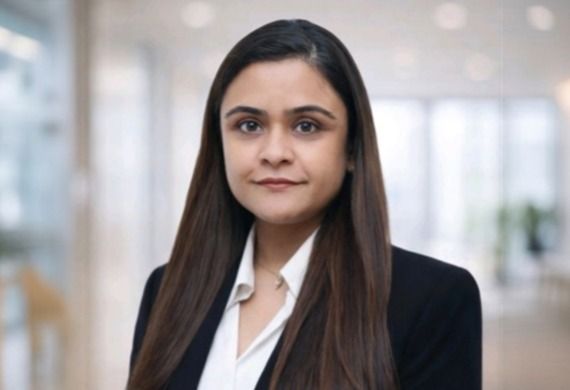

Marketing leader, Kriti Awasthi’s professional journey has been a constant learning endeavor. From working on categories like sugar and staples at Mawana to relaunching McDonald’s breakfast and building McCafé strategy through North and East India, her experience has been deep and profound. Today she gives Whole Earth Brands the early mover advantage by combining data with qualitative observation—from e-commerce behavior to retail conversations, to anticipate which trends are structural versus momentary.
Kriti is a marketing and brand strategy leader with over 15 years of experience driving market growth and consumer engagement across IMEA.
In conversation with Women Entrepreneurs Review Magazine, Kriti shares her views on navigating fast-changing consumer markets, building culturally relevant brands across IMEA, and staying anchored to real consumer behavior while driving agile, insight-led marketing strategies across FMCG, QSR, and wellness categories.
To learn more about Kriti’s professional journey, marketing insights, and more, read the full article below.
Having led marketing across fast-changing regions, how did you first learn to navigate consumer needs in markets that shift quickly and demand constant reinvention?
My learning really began on the ground, early in my FMCG journey, when I was working on categories like sugar and staples at Mawana and later premium rice at Tilda. These are categories people think are “static,” but consumer expectations were changing fast.
Whether it was introducing Demerara sugar through café partnerships or expanding Tilda beyond rice into oil, I learned that relevance comes from understanding usage moments, not just demographics. That mindset carried forward into snacking, QSR, and now wellness-led brands. Markets shift quickly, but if you stay close to how people live, eat, and make choices, reinvention becomes instinctive rather than reactive.
As you moved into larger roles, what early challenge taught you the importance of adapting quickly while still staying aligned with real consumer behavior?
A defining moment was during my time at McDonald’s, when we were relaunching breakfast and building McCafé strategy in North and East India. The challenge was balancing a global brand framework with very local consumption habits. We had strong global playbooks, but guest feedback and time-of-day behavior told a different story. We had to pivot communication, menus, and even service models quickly without losing brand consistency. That experience reinforced that agility doesn’t mean abandoning strategy. It means staying anchored to consumer truth while being flexible in execution, especially in high-scale, high-visibility roles.
Building on that experience, how did it shape the way you create campaigns that work across diverse IMEA markets with different cultural and purchasing patterns?
Today at my current organization, that learning translates into how I approach IMEA markets. When we work on brands like Equal or Canderel across India, the Middle East, and South Africa, I focus on a strong central insight—health, balance, or everyday indulgence—and then allow local teams to shape expression.
For example, a sweetener usage occasion in India looks very different from one in the UAE. My role is to ensure strategic consistency while giving cultural flexibility. That balance has helped us drive both innovation-led growth and meaningful local relevance across markets.
How has observing consumer behavior across different IMEA markets shaped the way you identify patterns and predict what will resonate next?
Observing consumers across IMEA has taught me to look for patterns beneath surface differences. While languages, cuisines, and cultures vary, motivations often converge. During my time at Hain Celestial and now at Whole Earth Brands, I noticed a shared shift toward mindful consumption—whether through portion control, natural ingredients, or reduced sugar category. The pace differs by market, but the direction is consistent.
By combining data with qualitative observation—from e-commerce behavior to retail conversations, I’ve learned to anticipate which trends are structural versus momentary, allowing us to move early rather than follow late.
How do these observed patterns guide the way you design marketing strategies and campaigns that succeed across diverse FMCG markets?
These insights act as strategic filters. When designing campaigns, I ask whether an idea can stretch across markets without losing meaning. For instance, our work on sweeteners and chocolate adjacencies was rooted in expanding usage occasions rather than chasing short-term trends. This approach helped us grow market share in the Middle East and South Africa while building profitability through digital and e-commerce channels. The goal is not uniformity, but coherence—ensuring that every campaign reflects a shared consumer truth while adapting to local purchase behavior and media consumption.
Based on your journey, what practical advice would you share with women leaders aiming to build impactful, consumer-focused careers in competitive industries?
My advice would be to stay deeply curious and unapologetically consumer centric. Early in my career, I benefited from working across categories—from staples to QSR to wellness—which sharpened my ability to adapt. Don’t rush to specialize too early; breadth builds judgment. Also, trust your perspective. Women often bring strong empathy and intuition to leadership, and in FMCG, that’s a competitive advantage. Finally, invest in learning—whether through formal programs like IIM Calcutta or through real-world challenges. Growth comes from staying uncomfortable, reflective, and always connected to the consumer.
Current Issue
Most Viewed
- 1 Talented Indian Female Actors Who Also Moonlight as Successful Producers
- 2 7 Indian Female Podcasters You Must Know About
- 3 7 Powerful Independent Indian Women Journalists Who are Voices of Change
- 4 Ruchikaa Kapoor Sheikh: The Creative Mind Behind Netflix India's Popular Shows
- 5 7 Most Influential Women Educators India has had over the Years
- 6 11 Breakthrough Female Faces Ruling the Indian OTT Platforms
- 7 8 Timeless Female Indian Classical Dancers & their Legacy
- 8 Women's Health Startup HerMD Closing Doors Amid Industry Challenges
- 9 Real Meets Reel: A List of 11 Indian Movies based on Real Women
- 10 Rasha Hassan: A Visionary Leader On A Mission To Transform Dubai's Real Estate Landscape
- 11 5 Indian Women-led IPOs You Must Know About
- 12 11 of the Most Iconic 21st Century Women to become "The First Indian Woman"
- 13 India's 7 Funniest Women Stand-Up Comics You Must Follow
- 14 Aparna Purohit : Leading India's Most Popular OTT Platforms
- 15 How Leaders Can Balance Risk & Innovation in Today's Banking Landscape
- 16 Dr. K. Shilpi Reddy: Sculpting Healthier Futures For The Next Generation With Reforms In Obstetrics Care
- 17 Sylvia Dcosta: A Visionary Business Leader Pushing The Limits And Setting High Professional Standards
- 18 Top 5 All-Rounder Women Cricketers of India
- 19 How Tata AIA is Empowering Women with Insurance That Understands Their Needs


