
Leaders
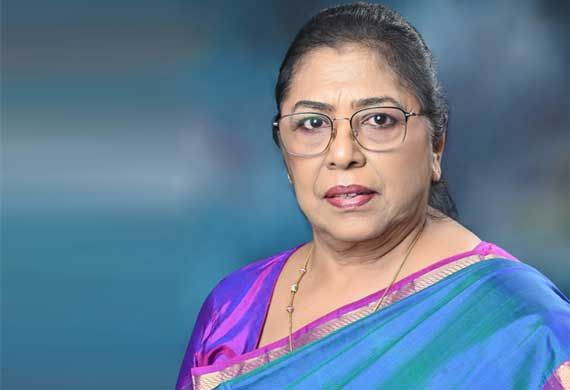


Women leaders in higher education are increasingly shaping institutions not only through academic excellence, but also through empathy, inclusion, adaptability and a deeper sense of social responsibility.
Their influence is particularly significant at a time when universities are expected to do far more than deliver degrees. They must prepare students for changing careers, evolving technologies and complex social realities while also nurturing values, confidence and a sense of purpose.
Dr. Vasanthi Vijayakumar, Founder Vice Chancellor of Captain Williamson Sangma State University, Meghalaya, represents this evolving model of educational leadership. With a career spanning nearly four decades, she has moved across teaching, academic administration and institutional leadership while continually refining her educational philosophy in response to changing times.
She began her academic journey in 1986, at Madras Christian College, during a period when discussions around women’s concerns, gender policy and the inclusion of women’s studies in curricula were gaining prominence. Over the years, however, her outlook expanded beyond individual academic themes towards a broader commitment to holistic education.
At the centre of her philosophy is the idea of 'whole person education' — one that brings together intellectual, moral and spiritual development and prepares students not only for professional success, but also for responsible participation in society.
Her leadership foundation was shaped through 36 years as a Professor of History at Madras Christian College, followed by a tenure as Principal of CSI Ewart Women’s Christian College, Chennai and her appointment as Founder Vice Chancellor of Captain Williamson Sangma State University in 2024.
Her earlier experience in various capacities including as a warden, responsible for nearly 200 students further strengthened her understanding of people-centred leadership.
Today, leading more than 60 faculty members, over 600 students and around 50 non-teaching staff, Dr. Vasanthi places strong emphasis on respect, collaboration and positive interpersonal relationships, while remaining assertive in decision-making and committed to taking every stakeholder along.
Dr. Vasanthi vijayakumar believes education must nurture knowledge, values, confidence and purpose, preparing students to contribute responsibly
How have your years in teaching, research and academic leadership shaped your approach to student mentoring, faculty development and creating a strong academic environment?
Students have always remained at the centre of my academic philosophy. At the postgraduate level, I believe mentoring must go beyond classroom teaching and include career guidance, personal development and exposure to wider opportunities. We try to balance academics with cultural activities, sports and skill development.
Our curriculum has been designed specifically for the needs of the region rather than simply being adopted from elsewhere. Faculty development is equally important, so we organize academic and life-skills programes for teachers and non-teaching staff. We also address stress management, emotional wellbeing and mental health to create a more supportive and intellectually vibrant campus environment.
What were your key priorities when you took charge of Captain Williamson Sangma State University, and which milestones have been most important in building its academic identity?
My first priority was to establish academic excellence as a core value of the university. Having worked with well-established institutions, I understood the importance of building strong academic systems from the beginning. Collaboration was another major focus because universities today must learn and grow through partnerships.
We have initiated academic engagements with institutions such as Payap University, Chiang Mai, Thailand and explored collaborations with the University of Melbourne and Singapore Management University and a few more.
I also want to promote innovation and entrepreneurship. Since employment opportunities in Meghalaya are limited, students need encouragement to think beyond conventional jobs and develop the confidence and skills to create opportunities for themselves.
How are you integrating holistic education, values and social responsibility into CWSSU while preparing students for a rapidly changing world?
For me, holistic education means preparing students academically while also giving them exposure beyond their immediate surroundings. Meghalaya has a rich cultural identity, and I want students to remain connected to their traditions while also understanding the wider world.
Student exchange programes can help them experience different academic environments and return with broader perspectives. Internships are equally important because they allow students to understand how institutions and workplaces function in practice.
We are therefore focusing on collaborations, internships, exchange programes and skill development. My aim is to ensure that students become employable and adaptable without losing the values, cultural awareness and social grounding that shape their identity.
How are you strengthening academic programmes, faculty capabilities, research culture and institutional partnerships as CWSSU moves into its next phase of growth?
I believe faculty academic exposure is essential for the growth of any university. Teachers need opportunities to attend conferences, interact with scholars and understand developments across India and internationally. Over the past year, we have supported faculty participation in academic programes in as Chennai, Bangalore and Delhi, and abroad.
Although travel from Meghalaya can be expensive, I see it as a worthwhile investment because such exposure improves academic contribution and teaching quality. We also encourage faculty to propose programes and academic initiatives on campus. Alongside this, we are strengthening our curriculum, research culture and collaborations to build a sustainable academic ecosystem.
What is your long-term vision for Captain Williamson Sangma State University and its role in Meghalaya and the wider Northeast?
My long-term vision is to build CWSSU around academic excellence, research, faculty development and strong student opportunities and to initiate Campus placement opportunities. Research must become an important part of university culture, especially in areas where Meghalaya offers unique possibilities, such as unexplored archaeological sites.
I also want faculty members to continue publishing and contributing to scholarship beyond their doctoral work. Placement and industry-academia connections will be another priority so that students gain training and employment opportunities. I would also like to establish a Northeast India Academic Conclave that brings universities together for regular academic discourse, networking and collaboration, while strengthening CWSSU's identity and contribution to regional development.
Dr. Vasanthi Vijayakumar, Founder Vice Chancellor, Captain Williamson Sangma State University
Dr. Vasanthi Vijayakumar is the Founder Vice Chancellor of Captain Williamson Sangma State University, Meghalaya. With nearly four decades of experience in teaching, research and academic leadership, she champions holistic education, faculty development, student empowerment and institutional collaboration, while advancing academic excellence, skills, research and socially responsible education in the Northeast.
Current Issue
Most Viewed
- 1 Talented Indian Female Actors Who Also Moonlight as Successful Producers
- 2 7 Indian Female Podcasters You Must Know About
- 3 7 Powerful Independent Indian Women Journalists Who are Voices of Change
- 4 Ruchikaa Kapoor Sheikh: The Creative Mind Behind Netflix India's Popular Shows
- 5 7 Most Influential Women Educators India has had over the Years
- 6 11 Breakthrough Female Faces Ruling the Indian OTT Platforms
- 7 8 Timeless Female Indian Classical Dancers & their Legacy
- 8 Women's Health Startup HerMD Closing Doors Amid Industry Challenges
- 9 Real Meets Reel: A List of 11 Indian Movies based on Real Women
- 10 Rasha Hassan: A Visionary Leader On A Mission To Transform Dubai's Real Estate Landscape
- 11 5 Indian Women-led IPOs You Must Know About
- 12 11 of the Most Iconic 21st Century Women to become "The First Indian Woman"
- 13 India's 7 Funniest Women Stand-Up Comics You Must Follow
- 14 Aparna Purohit : Leading India's Most Popular OTT Platforms
- 15 How Leaders Can Balance Risk & Innovation in Today's Banking Landscape
- 16 Dr. K. Shilpi Reddy: Sculpting Healthier Futures For The Next Generation With Reforms In Obstetrics Care
- 17 Sylvia Dcosta: A Visionary Business Leader Pushing The Limits And Setting High Professional Standards
- 18 Top 5 All-Rounder Women Cricketers of India
- 19 How Tata AIA is Empowering Women with Insurance That Understands Their Needs


