
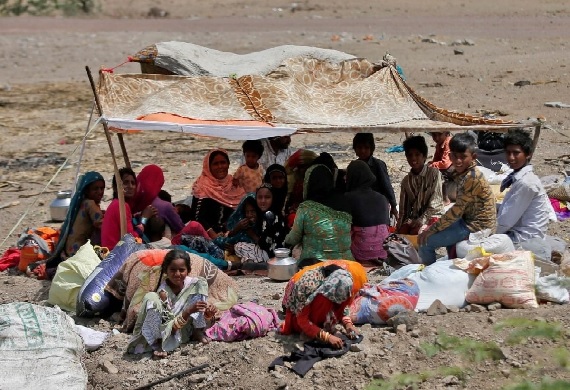

A research into the suffering of Hindu women and children who fled Pakistan and have been living in Majnu Ka Tila, Delhi, for the past few years has been started by the Delhi Commission for Women (DCW). The Commission will advise the administration on their rehabilitation.
Hindu refugees continue to live in appalling conditions in Delhi's Majnu Ka Tila, cut off from basic necessities like homes, water connections, power, toilets, and appropriate sources of income.
Many of the immigrants fled persecution in Pakistan, which included forced conversions, kidnappings, attacks on the faithful, and sexual assault, among other things. Every refugee family has a horrible story to tell and has gone through a lot of hardship.
Currently, they are struggling with many problems, especially during the monsoon, and live alone on the Yamuna River's banks. They are compelled to live in tents and kutchas. They lack access to adequate restrooms, and women and children are frequently forced to urinate in public. The absence of electricity makes the region much more dangerous. Despite numerous requests, they have likewise not been granted citizenship.
Given their situation, DCW Chairperson Swati Maliwal has started a study to determine the issues encountered by Hindu refugees who have been residing in the national capital for a number of years in the most appalling conditions.
The Commission will also be sending letters to various government agencies to find out what actions they have made to address the numerous problems experienced by the Hindu immigrants.
The Commission will also make suggestions to different government agencies in order to assist them in providing Hindu refugees residing in Majnu ka Tila with rehabilitation.
Swati Maliwal stated, "I met these Hindu refugees at Majnu ka Tila. They are living in the most pathetic conditions. They have kutcha houses which become even more difficult to live in during monsoons. Reptiles often sneak into their houses. They are often forced to defecate in the open due to lack of access to proper toilets. Lack of electricity and water has made this area uninhabitable. They don't even have adequate opportunities for a livelihood. Further, they have not been granted citizenship till date. This is a sorry situation, and we will be investigating the matter in depth."
Current Issue

Most Viewed
- 1 Talented Indian Female Actors Who Also Moonlight as Successful Producers
- 2 7 Indian Female Podcasters You Must Know About
- 3 7 Powerful Independent Indian Women Journalists Who are Voices of Change
- 4 Ruchikaa Kapoor Sheikh: The Creative Mind Behind Netflix India's Popular Shows
- 5 7 Most Influential Women Educators India has had over the Years
- 6 11 Breakthrough Female Faces Ruling the Indian OTT Platforms
- 7 8 Timeless Female Indian Classical Dancers & their Legacy
- 8 Women's Health Startup HerMD Closing Doors Amid Industry Challenges
- 9 Real Meets Reel: A List of 11 Indian Movies based on Real Women
- 10 Rasha Hassan: A Visionary Leader On A Mission To Transform Dubai's Real Estate Landscape
- 11 5 Indian Women-led IPOs You Must Know About
- 12 11 of the Most Iconic 21st Century Women to become "The First Indian Woman"
- 13 India's 7 Funniest Women Stand-Up Comics You Must Follow
- 14 Aparna Purohit : Leading India's Most Popular OTT Platforms
- 15 How Leaders Can Balance Risk & Innovation in Today's Banking Landscape
- 16 Dr. K. Shilpi Reddy: Sculpting Healthier Futures For The Next Generation With Reforms In Obstetrics Care
- 17 Sylvia Dcosta: A Visionary Business Leader Pushing The Limits And Setting High Professional Standards
- 18 Top 5 All-Rounder Women Cricketers of India
- 19 How Tata AIA is Empowering Women with Insurance That Understands Their Needs


