
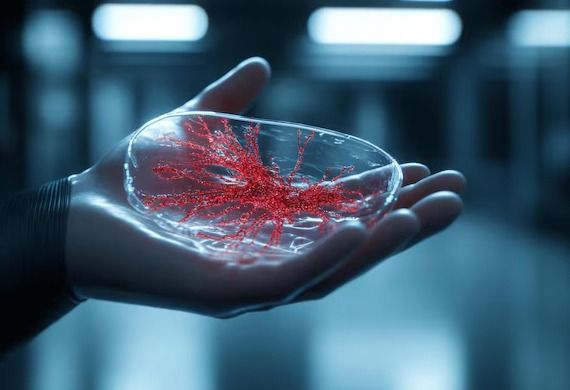

Injury recovery can be a complex and often frustrating process. From minor sprains to severe musculoskeletal damage, the human body’s natural healing mechanisms sometimes struggle to restore tissues to their original function. Over the past few decades, advances in regenerative medicine have introduced promising therapies that harness the body’s innate ability to repair itself. Among these, stem cell therapy has emerged as a revolutionary approach, offering hope for faster, more effective recovery from injuries.
Understanding Stem Cells
Stem cells are unique in the human body because of their ability to differentiate into various specialized cell types. This capacity allows them to replace damaged cells, promote tissue regeneration, and modulate inflammation. There are several types of stem cells, including embryonic stem cells, adult stem cells, and induced pluripotent stem cells. For injury recovery, adult stem cells, often derived from bone marrow or adipose (fat) tissue, are most commonly used because they are easier to obtain and carry fewer ethical concerns.
How Stem Cells Aid Healing
The healing process following an injury typically involves inflammation, tissue formation, and tissue remodeling. Stem cells can influence all these stages. They secrete growth factors and signaling molecules that reduce inflammation, stimulate the formation of new blood vessels, and encourage the repair of damaged tissues. This is particularly valuable in cases where injuries are slow to heal, such as tendon or ligament damage, chronic wounds, or joint injuries.
Moreover, stem cells have the potential to differentiate into the specific types of cells required for repair. For instance, in cartilage damage, certain stem cells can develop into chondrocytes, the specialized cells responsible for forming new cartilage. This targeted regeneration can improve functional recovery and may even reduce the risk of long-term complications like osteoarthritis.
Applications in Sports Medicine and Orthopedics
Stem cell therapy has gained attention in sports medicine for its potential to accelerate recovery from injuries that traditionally require lengthy rehabilitation periods. Athletes recovering from ligament tears, tendon injuries, or stress fractures may benefit from stem cell treatments that support tissue repair and reduce inflammation. Similarly, orthopedic applications include treating degenerative joint diseases and complex fractures, where traditional interventions may be insufficient for complete recovery.
The Procedure and Patient Experience
Typically, stem cell therapy begins with the collection of the patient’s own cells from bone marrow or adipose tissue. These cells are then processed and concentrated before being reintroduced into the injured area. The procedure is minimally invasive, often performed on an outpatient basis, and carries a lower risk of complications compared to surgical interventions.
Patients who undergo stem cell therapy frequently report reduced pain, improved mobility, and faster functional recovery. While results can vary depending on the type and severity of the injury, ongoing clinical studies continue to highlight the potential of stem cells as a cornerstone of modern regenerative medicine.
Accessing Stem Cell Therapy
For those considering regenerative treatments, clinics worldwide are now offering advanced stem cell programs. One example is seeking a stem cell in Panama treatment, where cutting-edge facilities provide access to a variety of regenerative therapies in a supportive, medically regulated environment. These clinics focus on personalized treatment plans, ensuring patients receive therapies tailored to their specific injury and health profile.
Looking Ahead
The role of stem cells in injury recovery is still evolving, with research continually expanding our understanding of their therapeutic potential. As studies progress, stem cell therapy may become a standard part of injury rehabilitation, offering patients faster recovery times, less pain, and improved long-term outcomes. For anyone dealing with injuries that challenge conventional treatment methods, stem cells represent a hopeful frontier in regenerative medicine.
Current Issue

Most Viewed
- 1 Talented Indian Female Actors Who Also Moonlight as Successful Producers
- 2 7 Indian Female Podcasters You Must Know About
- 3 7 Powerful Independent Indian Women Journalists Who are Voices of Change
- 4 Ruchikaa Kapoor Sheikh: The Creative Mind Behind Netflix India's Popular Shows
- 5 7 Most Influential Women Educators India has had over the Years
- 6 11 Breakthrough Female Faces Ruling the Indian OTT Platforms
- 7 8 Timeless Female Indian Classical Dancers & their Legacy
- 8 Women's Health Startup HerMD Closing Doors Amid Industry Challenges
- 9 Real Meets Reel: A List of 11 Indian Movies based on Real Women
- 10 Rasha Hassan: A Visionary Leader On A Mission To Transform Dubai's Real Estate Landscape
- 11 5 Indian Women-led IPOs You Must Know About
- 12 11 of the Most Iconic 21st Century Women to become "The First Indian Woman"
- 13 India's 7 Funniest Women Stand-Up Comics You Must Follow
- 14 Aparna Purohit : Leading India's Most Popular OTT Platforms
- 15 How Leaders Can Balance Risk & Innovation in Today's Banking Landscape
- 16 Dr. K. Shilpi Reddy: Sculpting Healthier Futures For The Next Generation With Reforms In Obstetrics Care
- 17 Sylvia Dcosta: A Visionary Business Leader Pushing The Limits And Setting High Professional Standards
- 18 Top 5 All-Rounder Women Cricketers of India
- 19 How Tata AIA is Empowering Women with Insurance That Understands Their Needs


