
Leaders
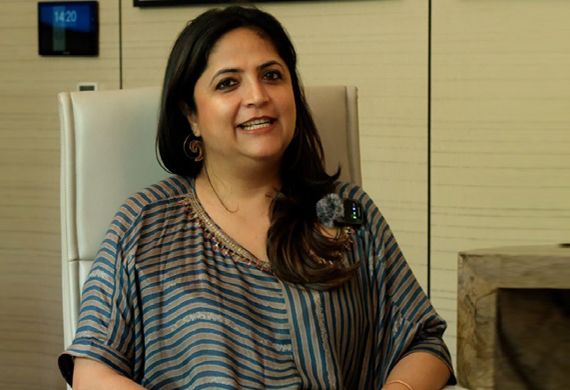


As the architecture and interior design industry evolves towards more personalised, functional and experience-led spaces, women entrepreneurs are stepping up to contribute not only through creative perspectives but also by building practices that combine design leadership with business acumen.
Their growing presence reflects a broader shift in the profession, where leadership extends beyond conceptualising spaces to managing multidisciplinary teams, navigating client expectations and translating ideas into environments that work effectively in everyday life.
Shreya Singal, Principal Architect of Bespoke Spaces by Shreya Singal, represents this intersection of design expertise and entrepreneurship as an Architect it is important we understand client’s needs, routines and personal things to create spaces which are aesthetically beautiful and functional also.
A B.Arch graduate from Mumbai in 2000, she began her professional journey with established architectural firms in Ludhiana and Delhi, gaining exposure that strengthened her foundation in architecture and interior design. Around 2005, she ventured into independent practice, beginning with smaller referral-led assignments and gradually progressing towards larger, full-fledged projects.
What began as an independent practice has since evolved into a team of architects and designers delivering both design and execution. Through this journey, Shreya has shaped a leadership approach grounded in consistency, communication, adaptability and continuous learning.
For her, effective leadership ultimately lies in understanding people, communicating expectations clearly and creating the right environment to translate their requirements into meaningful outcomes.
Shreya singal’s design philosophy blends creativity, functionality and personalisation, creating timeless spaces that reflect how people truly live
How has Bespoke Spaces evolved from a design-focused practice into an integrated design-and-execution firm, and what guided the addition of new capabilities?
We started primarily as a design practice, but I soon realised that a good design achieves its true value only when it is executed as envisioned. This led us to integrate execution and build capabilities, supported by teams that understand our specifications, materials and quality expectations. As the practice evolved, we also embraced new materials, finishes and visualisation technologies that could enhance the client experience.
Today, clients can experience spaces virtually before execution begins. Every capability we introduce serves a clear purpose: improving visualisation, strengthening execution, simplifying the client's journey and bringing something fresh and relevant to each project in stipulated timelines and honoring budgets.
How has working across different project categories shaped your design perspective, and what principles remain consistent across every space you create?
I have never wanted to restrict myself to one category because working across different spaces continuously expands our perspective. We currently work primarily across residential, corporate and retail projects, with dedicated teams supporting different verticals while I oversee the core design direction. Regardless of the project type, customisation remains fundamental.
I believe a space should reflect the people who live or work there rather than become a designer's showpiece. We combine client requirements with our aesthetic and technical understanding while prioritising functionality, quality and budgets. Ultimately, every element should have a purpose, and every space should feel distinctly personal.
How do you balance your creative responsibilities as an architect with the operational demands of running a growing design practice?
I have always been conscious that managing a growing practice should not take us away from our core strength— design. At the same time, creativity alone cannot deliver a successful project without control over budgets, timelines, procurement and execution and adding newness to each project as per market trends and need of the client.
We have therefore created dedicated teams and project heads to manage operational responsibilities, while project-management software helps us monitor timelines and streamline workflows. For me, the balance lies in building the right systems and teams so that strong project management supports creativity rather than becoming a distraction from it.
Which shifts are reshaping architecture and interior design, and how do you view the opportunities available to women within this evolving industry?
Sustainability, green buildings and eco-friendly materials are becoming increasingly significant, requiring designers to continuously rethink how spaces are created. However, sustainable design must also remain practical because cost, availability and timelines influence what can realistically be implemented.
The goal is to find the right balance between environmental responsibility, functionality, aesthetics and affordability. As for women in architecture, I believe professional capability should matter more than gender. The greatest opportunities will belong to professionals who remain curious, adaptable and willing to continuously learn.
How have you reinvented your approach over the years while ensuring that Bespoke Spaces retains a distinct design identity?
Architecture and interiors are constantly evolving, so remaining relevant requires continuous learning rather than becoming attached to one way of working. We regularly evaluate new materials, technologies, visualisation tools and project-management practices to determine whether they can make design or execution smoother for our clients. However, we do not adopt something simply because it is new.
It must genuinely improve the process, client experience or long-term value of a project. While our methods continue to evolve, our fundamental philosophy remains consistent. Customisation, functionality, respect for budgets and disciplined execution continue to define Bespoke Spaces and provide continuity to our identity as the industry changes.
What is your vision for the next phase of Bespoke Spaces, and what kind of design legacy do you hope to build?
I want to grow Bespoke Spaces geographically while also expanding our design capabilities. Beyond Delhi, Delhi NCR and Ludhiana, we are looking towards Chandigarh and Mohali. We have also launched an e-catalogue for customised furniture and are exploring artwork that complements contemporary spaces while carrying stories from the past.
As we grow, I want us to remain known for customisation, dependable turnaround times, respect for budgets and thoughtful design. I do not believe spending more automatically creates a better space. My larger vision is to create functional, timeless environments that remain relevant for 10 or 15 years rather than simply reflecting what is fashionable today.
Shreya Singal, Principal Architect, Bespoke Spaces by Shreya Singal
Shreya Singal, Principal Architectof Bespoke Spaces by Shreya Singal, brings over two decades of experience in architecture and interior design. A B.Arch graduate, she leads a multidisciplinary practice spanning residential, corporate and retail spaces, combining customisation, functionality and disciplined execution with a commitment to creating timeless, people-centric environments.
Current Issue
Most Viewed
- 1 Talented Indian Female Actors Who Also Moonlight as Successful Producers
- 2 7 Indian Female Podcasters You Must Know About
- 3 7 Powerful Independent Indian Women Journalists Who are Voices of Change
- 4 Ruchikaa Kapoor Sheikh: The Creative Mind Behind Netflix India's Popular Shows
- 5 7 Most Influential Women Educators India has had over the Years
- 6 11 Breakthrough Female Faces Ruling the Indian OTT Platforms
- 7 8 Timeless Female Indian Classical Dancers & their Legacy
- 8 Women's Health Startup HerMD Closing Doors Amid Industry Challenges
- 9 Real Meets Reel: A List of 11 Indian Movies based on Real Women
- 10 Rasha Hassan: A Visionary Leader On A Mission To Transform Dubai's Real Estate Landscape
- 11 5 Indian Women-led IPOs You Must Know About
- 12 11 of the Most Iconic 21st Century Women to become "The First Indian Woman"
- 13 India's 7 Funniest Women Stand-Up Comics You Must Follow
- 14 Aparna Purohit : Leading India's Most Popular OTT Platforms
- 15 How Leaders Can Balance Risk & Innovation in Today's Banking Landscape
- 16 Dr. K. Shilpi Reddy: Sculpting Healthier Futures For The Next Generation With Reforms In Obstetrics Care
- 17 Sylvia Dcosta: A Visionary Business Leader Pushing The Limits And Setting High Professional Standards
- 18 Top 5 All-Rounder Women Cricketers of India
- 19 How Tata AIA is Empowering Women with Insurance That Understands Their Needs


