


Indian summers are notoriously brutal. Soaring temperatures across the country not only impact overall health, but are also detrimental to one’s skin.
“Indian summers often lead to tanning, dehydration, excess oiliness, acne, pigmentation, and sensitivity,” says beauty and wellness entrepreneur, Vibhuti Vohra Arora, Founder, House of Beauty India. In order to combat these challenges, some Indian women adopt a proactive approach to skin care routines.
From picking summer specific skincare products to reliance on sunscreen, women take the obvious steps. Retail business-focused platform, BW Retail World, points out that the India’s skincare industry will grow at a Compound Annual Growth Rate (CAGR) of 10–15% by 2028, led by sun care, lightweight hydration and multifunctional hydration and multifunctional skincare products.
It is apparent that the heat wave brings a host of skincare challenges, apart from tanning and sunburn only. Heat, moisture, pollutants, and ultraviolet rays can include dehydration, breakouts, hyper-pigmentation, and oiliness, making the skin over sensitive and reactive.
To soothe your skin care concerns and challenges this summer, Women Entrepreneurs Review magazine brings expert advice from dermatologists and beauty experts for navigating Indian summers with smarter skincare choices.
Summer Skin Challenges – How Different Skin Types React
During periods of extreme heat, the levels of environmental pollutants such as ozone and particulate matter rise as well. Such pollutants tend to irritate the skin and cause inflammation through oxidative stress and DNA damage among other issues.
Indian summers can be particularly demanding on Indian skin, with oily, dry, and sensitive skin each responding differently to seasonal stressors. Vibhuti explains, “Oily skin usually faces more breakouts and clogged pores, while dry skin becomes dehydrated and dull due to heat exposure. Sensitive skin can react with redness and irritation.”
The need for a organic and personalized approach becomes even more important during summer, as environmental conditions can amplify existing skin concerns such as eczema and rosacea etc. According to Vibhuti, some skin types are inherently more vulnerable than others during the hotter months.“Oily and sensitive skin types tend to struggle more during Indian summers because humidity, sweat, and pollution can easily trigger breakouts and irritation. However, dry skin also experiences hidden dehydration, which weakens the skin barrier over time. This is why I always recommend skincare that hydrates without feeling heavy.”
It is important for women to identify their specific skin type and build a skincare routine that aligns with their specific skincare needs.
Understanding Ingredients – Do’s & Dont's
 Beyond climate-related challenges, skincare formulations themselves can often contribute to seasonal skin challenges. Many consumers unknowingly choose products that compromise the skin barrier, making the skin more susceptible to irritation, pigmentation, and UV damage.
Skincare should evolve with seasonal and regional conditions. As India experiences highly diverse seasonal climates, choosing the right products for dry and humid weather is helpful. Skincare expert and Founder of luxury skincare brand KASS, Deepti Kulkarni explains,“Skincare should always adapt to your environment. In dry heat, the skin loses moisture quickly and needs deeply hydrating ingredients like Hyaluronic Acid, Shea Butter, and Aloe Vera.”
Similarly, lightweight and non-comedogenic products work best for humid weather, since they help avoid clogged pores and excess oiliness. “KASS formulate products that deliver hydration without heaviness like Our Bright Skin Serum,” adds Deepti.
Many tend to skip moisturizer usage during summer fearing they make oily skin worse. Deepti debunks this myth. “The biggest mistake people make during summers is skipping the moisturizer, thinking, moisturizer makes their skin oily. Skin needs both oil and water. If your skin is dehydrated, it will produce more oil. The solution is not skipping moisturizer, but using a lightweight gel moisturizer that hydrates and controls oil, and does not vanish within a couple of hours.”
Ingredients to Avoid: Deepti advises consumers to be mindful of ingredients and formulations that may not be suited for hot weather conditions.“Thick occlusive, alcohol-based are the biggest triggers in hot weather. It traps heat leading to breakouts and irritation. Products with high fragrance and high concentrated actives are also a big no, as it makes skin photosensitive. UV exposure already gives burns, hyperpigmentation and other damages. Getting exposed to UV with a weak barrier is an open invitation to all these.”
Ingredients to Choose: The right ingredients also play a critical role in achieving a summer ready skin. Deepti recommends a few of her favorite ingredients. “I always recommend focusing on hydration, antioxidant protection, and skin barrier support during summers. Ingredients like Hyaluronic Acid help maintain moisture, while Niacinamide balances oil production and improves skin texture. Vitamin C protects against environmental damage and boosts radiance, and Aloe Vera soothes heat-stressed skin.”
The Right Way to Use Sunscreen
 As the levels of UV radiation increases, a well-applied sunscreen becomes one of the most indispensable products of any skincare routine during the summer months. However, protecting oneself from sunburn is not only about using just about any sunscreen available off the shelf. It is crucial to understand SPF values, application, reapplication and more.
Dr. Sushmitha, Dermatologist, Dermato surgeon, Hair Transplant Surgeon, SPARSH Hospital, Yeswanthpur Bangalore, reiterates that a strong summer skincare routine starts with the right SPF and PA protection. “For Indian summers, dermatologists generally recommend using a broad-spectrum sunscreen with at least SPF 30 to SPF 50 and PA+++ or higher. SPF protects against UVB rays responsible for sunburn, while the PA rating indicates protection from UVA rays that cause tanning, pigmentation, and premature ageing. Since UV exposure in India is intense, especially between 10 am and 4 pm, choosing a water-resistant sunscreen with higher UVA protection is important.”
Experts note that improper usage and infrequent reapplication remain among the most common mistakes consumers make during the summer months. This drastically reduces the effectiveness of sunscreens.
Dr. Sushmitha shares the right way to use sunscreen. She explains,“For adequate protection, approximately two finger-lengths of sunscreen are recommended for the face and neck combined. Sunscreen should ideally be applied 15–20 minutes before stepping outdoors to allow proper absorption.”
The process does not end at sunscreen application. It is equally important to reapply sunscreen especially during Indian summers when sweating and humidity are high.“When outdoors, sunscreen should be reapplied every 2–3 hours and immediately after excessive sweating, swimming, or wiping the face. Even on cloudy days or while indoors near windows, UV rays can affect the skin, making regular sunscreen use essential throughout the year,” explains Dr. Sushmitha.
Picking the Right Sunscreen 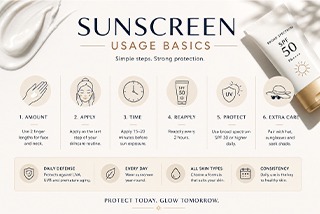
Many Indian women unknowingly fall into the trap of using heavy sunscreens not built for their skin types often bringing to surface other underlying skin concerns. “For acne-prone or oily Indian skin, lightweight, non-comedogenic, gel-based or water-based sunscreens usually work best. Heavy or greasy formulations may clog pores and trigger breakouts, especially in hot and humid weather conditions. Sunscreens labeled “oil-free,” “matte finish,” or “non-acnegenic” are generally better tolerated by such skin types,” Dr. Sushmitha clarifies.
Ingredients like niacinamide can additionally help control oil production and calm inflammation. Mineral sunscreens containing zinc oxide may also suit sensitive acne-prone skin, though formulation texture matters.
On the other hand, Deepti unpacks the mineral versus chemical sunscreen discussion for Indian consumers. “Mineral sunscreen and chemical sunscreen can be differentiated by how they work. The first one deflects UV rays, while the latter absorbs and turns it into heat. Chemical sunscreen is not bad, but on Indian skin that is highly prone to pigmentation, the heat produced by it leads to hyperpigmentation. Deepti recommends mineral or hybrid sunscreen as a better option since they are less likely to cause pigmentation.
The key to regular sunscreen usage, however is comfort.“It is important to choose a sunscreen that feels comfortable on the skin because consistency in daily use is far more important than selecting overly heavy formulations that people avoid applying regularly,” says Dr. Sushmitha.
Summer Skincare Beyond Products
Although the right products make a great difference, yet skincare during summer requires much more. While sunscreen plays a major role in reducing tanning and pigmentation, it alone cannot provide complete protection from sun damage.
“Prolonged sun exposure, heat, pollution, and dehydration can still affect the skin during summers. In addition to regular sunscreen use, people should wear protective clothing, sunglasses, caps, or umbrellas when outdoors. Avoiding direct sun exposure during peak afternoon hours is also helpful,” suggests Dr. Sushmitha. Additionally, antioxidant-rich skincare products, adequate hydration, and a healthy diet rich in fruits and vegetables can support skin health internally.
Bringing it all Together
With temperatures soaring this summer, protecting one’s skin is a must—go beyond sunscreen. For skin that thrives, experts recommend a holistic approach that focuses on the right product usage, the right application, physical protection from sun damage and a balanced diet. Stay sun safe, pick smart products, hydrate properly, and your skin will thank you.
Making these simple adjustments to your routine could mean the difference between dull, stressed-out skin allowing one to maintain a smoother and healthier skin in the long run.
Current Issue

Most Viewed
- 1 Talented Indian Female Actors Who Also Moonlight as Successful Producers
- 2 7 Indian Female Podcasters You Must Know About
- 3 7 Powerful Independent Indian Women Journalists Who are Voices of Change
- 4 Ruchikaa Kapoor Sheikh: The Creative Mind Behind Netflix India's Popular Shows
- 5 7 Most Influential Women Educators India has had over the Years
- 6 11 Breakthrough Female Faces Ruling the Indian OTT Platforms
- 7 8 Timeless Female Indian Classical Dancers & their Legacy
- 8 Women's Health Startup HerMD Closing Doors Amid Industry Challenges
- 9 Real Meets Reel: A List of 11 Indian Movies based on Real Women
- 10 Rasha Hassan: A Visionary Leader On A Mission To Transform Dubai's Real Estate Landscape
- 11 5 Indian Women-led IPOs You Must Know About
- 12 11 of the Most Iconic 21st Century Women to become "The First Indian Woman"
- 13 India's 7 Funniest Women Stand-Up Comics You Must Follow
- 14 Aparna Purohit : Leading India's Most Popular OTT Platforms
- 15 How Leaders Can Balance Risk & Innovation in Today's Banking Landscape
- 16 Dr. K. Shilpi Reddy: Sculpting Healthier Futures For The Next Generation With Reforms In Obstetrics Care
- 17 Sylvia Dcosta: A Visionary Business Leader Pushing The Limits And Setting High Professional Standards
- 18 Top 5 All-Rounder Women Cricketers of India
- 19 How Tata AIA is Empowering Women with Insurance That Understands Their Needs


