


When the rains arrive, women don't just welcome the monsoon; they celebrate it!
The first monsoon showers never arrive quietly. They drift in with the scent of rain-soaked earth, the rhythmic patter of droplets on tiled roofs, and the sight of mango trees swaying in the cool breeze. Courtyards come alive with colourful swings tied to sturdy branches. At the same time, women dressed in emerald green saris, crimson bangles, and intricate mehendi gather to sing age-old folk songs that have echoed through generations. Across villages and bustling cities alike, the rainy season transforms ordinary days into moments of celebration, reflection, and togetherness.
In India, the monsoon is far more than a season. It marks the beginning of a remarkable season of festivals where women stand at the heart of tradition. Some celebrations honour fertility and the nurturing power of Mother Earth. Others celebrate marriage, devotion, and prosperity through fasting, prayers, and rituals. Many simply create a rare space where women step away from daily responsibilities to laugh, dance, exchange gifts, and strengthen lifelong bonds of friendship and sisterhood. These occasions continue to evolve with modern lifestyles while preserving customs that have shaped communities for centuries.
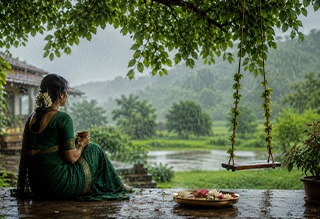
From Odisha's Raja Parba, where the Earth itself is believed to rest, to Assam's sacred Ambubachi Mela, from the joyous Teej festivities across northern India to Telangana's vibrant Bonalu processions, India's unique monsoon festivals reflect the country's extraordinary cultural diversity. Coastal Maharashtra celebrates the sea through Narali Purnima, Karnataka welcomes Goddess Gowri into homes, while Punjab's Teeyan fills villages with music, colourful attire, and playful swings. Together, these festivals reveal how every region interprets the arrival of rain through traditions that honour women, nature, and renewal.
Beyond religious observance, these celebrations remind us of women's enduring role as keepers of culture, storytellers, community builders, and symbols of resilience. They bring generations together, allowing grandmothers, mothers, and daughters to pass on rituals, songs, and customs that remain deeply meaningful even in contemporary India.
The Women Entrepreneurs Review team presents this state-by-state guide to India's most cherished festivals celebrating women, exploring when they take place, why they matter, and how they continue to unite women across the country during the monsoon season.
Raja Parba – Odisha | June
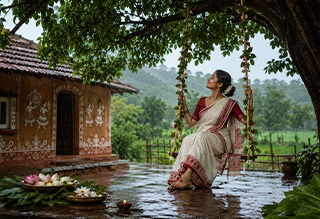
Women take centre stage during Raja Parba, a three-day festival that celebrates womanhood, fertility, and the Earth's annual menstruation. Observed in Odisha during June, women avoid household chores, wear new clothes, apply alta to their feet, and spend the days enjoying swings, music, and traditional games. Young girls gather beneath decorated trees to sing Raja songs while families prepare delicacies such as Poda Pitha.
The festival symbolises rest and renewal, encouraging both women and nature to pause before the agricultural season begins. Raja Parba stands apart for treating menstruation as a sacred and life-giving process rather than a taboo.
Ambubachi Mela – Assam | June
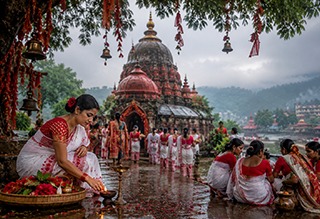
At Kamakhya Temple in Assam, Ambubachi Mela marks the annual menstruation of Goddess Kamakhya, making it one of India's most significant celebrations of feminine power. During the festival, the temple remains closed for three days before reopening with elaborate rituals.
Women visit the shrine to seek blessings for prosperity, fertility, and spiritual well-being. Devotees receive a sacred piece of red cloth believed to symbolise the goddess's divine energy. The festival attracts saints, pilgrims, and visitors from across the country, highlighting the profound connection between womanhood, creation, and nature.
Hariyali Teej – Rajasthan, Uttar Pradesh, Bihar & Madhya Pradesh | July–August
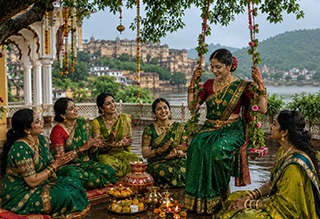
Women celebrate Hariyali Teej by dressing in green, applying elaborate mehendi designs, and observing a fast for the well-being and longevity of their husbands or future partners. Celebrated during July and August, the festival commemorates Goddess Parvati's reunion with Lord Shiva after years of devotion. Parks and courtyards fill with beautifully decorated swings, while women sing traditional Teej songs and exchange gifts with family members. Ghewar, a seasonal sweet soaked in sugar syrup, remains one of the festival's most recognisable treats, especially across Rajasthan.
Jhulan Leela (Teej) – Vrindavan, Uttar Pradesh | July–August
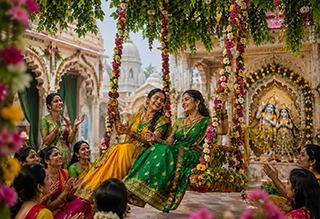
During Jhulan Leela, women gather at temples across Vrindavan to witness beautifully adorned idols of Radha and Krishna seated on elaborately decorated swings. Floral decorations, devotional music, and temple processions create a deeply spiritual atmosphere. Women offer flowers, perform devotional songs, and participate in community prayers celebrating divine love and companionship. The gentle movement of the swings symbolises harmony between nature and devotion, while fragrant jasmine garlands and fresh monsoon blooms add to the festival's distinctive charm.
Teeyan – Punjab | July–August
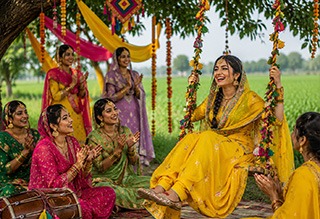
Known simply as Teeyan, Punjab's monsoon festival celebrates womanhood through music, dance, and joyful reunions. Married daughters often return to their parental homes, where women wear colourful Punjabi suits, perform energetic Giddha dances, and sing folk songs that celebrate everyday life, love, and humour.
Decorated swings become gathering spots throughout villages, while traditional dishes and homemade sweets bring families together. Unlike many fasting festivals, Teeyan focuses on female friendship, shared memories, and the simple joy of celebrating the rainy season together.
Naga Panchami – Across India | July–August
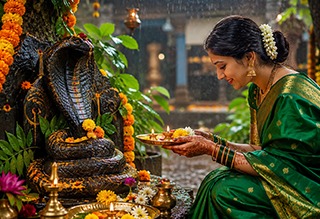
Women observe Naga Panchami by offering milk, flowers, and turmeric to serpent deities, praying for family well-being, protection, and prosperity. The festival honours snakes as guardians of nature and fertility, recognising their importance within India's ecological balance. Across many regions, women draw serpent motifs outside their homes using turmeric or rice flour and prepare special offerings before visiting temples. The rituals reflect a deep respect for nature while encouraging harmony between people, wildlife, and the environment during the monsoon months.
Jhulan Yatra – West Bengal & Uttar Pradesh | July–August
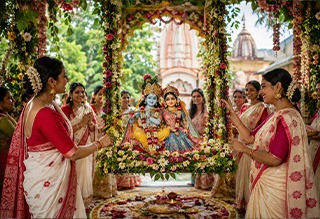
Jhulan Yatra celebrates the playful bond between Radha and Krishna through five days of devotional festivities. Women decorate swings with fresh flowers, colourful fabrics, and fragrant leaves before gently swinging the deities during temple ceremonies. In West Bengal and parts of Uttar Pradesh, devotional music, community singing, and evening aartis create an atmosphere of shared faith. The floral fragrance, monsoon breeze, and beautifully illuminated temples make Jhulan Yatra one of the season's most graceful religious celebrations.
Bonalu – Telangana | July–August
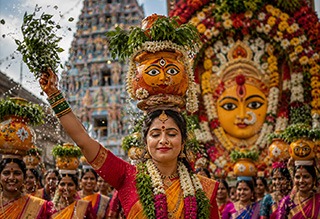
Women lead the celebrations during Bonalu by carrying beautifully decorated pots filled with cooked rice, jaggery, and curd as offerings to Goddess Mahakali. Dressed in bright silk saris and adorned with traditional jewellery, they participate in vibrant processions accompanied by drums and folk performances. The offering symbolises gratitude for protection and well-being, particularly during the rainy season when diseases historically spread more easily. The rhythmic beats of the dappu drums and the sight of decorated earthen pots define Bonalu's unmistakable identity.
Narali Purnima – Maharashtra & Goa | August
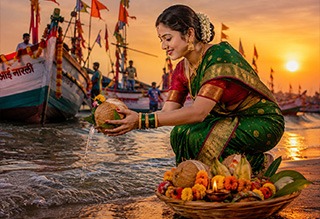
Narali Purnima coincides with the beginning of a safer fishing season along India's western coast. Women prepare coconut-based sweets and offer coconuts to the sea, praying for the safety and prosperity of their families. Fisherfolk decorate boats with colourful flags before setting sail after the monsoon restrictions ease. Married women also perform rituals seeking blessings for household harmony. The aroma of freshly grated coconut and the sight of flower-adorned fishing boats create a memorable coastal celebration.
Kajari Teej – North India | August
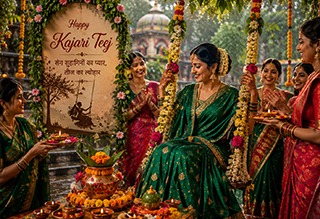
Women observe Kajari Teej through fasting, devotional songs, and prayers dedicated to Goddess Parvati. Particularly popular in Uttar Pradesh, Bihar, and parts of Madhya Pradesh, the festival falls during the dark fortnight of the monsoon month. Women sing traditional Kajari folk songs that beautifully capture longing, love, and the arrival of rain. Evening gatherings feature decorated swings, colourful attire, and offerings of seasonal fruits. The soulful melodies of Kajari music distinguish this Teej celebration from other regional variations.
Gowri Habba (Hartalika Teej) – Karnataka, Andhra Pradesh & Tamil Nadu | August–September
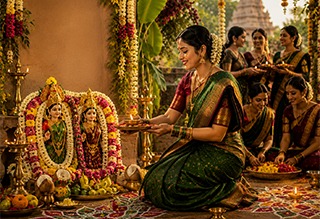
During Gowri Habba, women welcome Goddess Gowri into their homes, believing she brings prosperity, marital happiness, and strength. They decorate clay idols with flowers, turmeric, and kumkum before offering sweets and performing prayers with family members. Many women observe a day-long fast while seeking blessings for a harmonious married life or an ideal life partner. Homes glow with fresh marigold garlands and intricate rangoli patterns, reflecting the festival's emphasis on purity, devotion, and abundance.
Sharada Purnima (Kumar Purnima) – Odisha | September–October
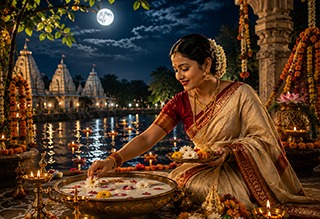
Young unmarried women celebrate Kumar Purnima by praying to Lord Kartikeya for a suitable life partner and a prosperous future. Dressed in traditional attire, they gather beneath the full moon to sing devotional songs and offer fruits, puffed rice, and seasonal delicacies. The moonlit evening becomes the festival's defining feature, symbolising beauty, hope, and new beginnings. Families and communities come together to celebrate youth, aspiration, and the blessings of the harvest season.
Why These Festivals Matter?
India's festivals celebrating women reveal far more than seasonal traditions. They recognise women as custodians of family, faith, agriculture, community, and cultural memory. While many rituals centre on marriage and fertility, today's celebrations also provide opportunities for women to reconnect with friends, preserve regional identities, and celebrate shared experiences across generations.
As urban lifestyles evolve, these festivals continue to adapt through community events, digital participation, and cultural programmes, ensuring younger generations remain connected to their heritage. They remind us that tradition and modernity can coexist, creating spaces where women celebrate both their cultural roots and their individuality.
(This article is part of a dedicated ‘Indian Monsoons & Women’ series on the Women Entrepreneurs Review platform. Stay tuned for the next article.)
Current Issue

Most Viewed
- 1 Talented Indian Female Actors Who Also Moonlight as Successful Producers
- 2 7 Indian Female Podcasters You Must Know About
- 3 7 Powerful Independent Indian Women Journalists Who are Voices of Change
- 4 Ruchikaa Kapoor Sheikh: The Creative Mind Behind Netflix India's Popular Shows
- 5 7 Most Influential Women Educators India has had over the Years
- 6 11 Breakthrough Female Faces Ruling the Indian OTT Platforms
- 7 8 Timeless Female Indian Classical Dancers & their Legacy
- 8 Women's Health Startup HerMD Closing Doors Amid Industry Challenges
- 9 Real Meets Reel: A List of 11 Indian Movies based on Real Women
- 10 Rasha Hassan: A Visionary Leader On A Mission To Transform Dubai's Real Estate Landscape
- 11 5 Indian Women-led IPOs You Must Know About
- 12 11 of the Most Iconic 21st Century Women to become "The First Indian Woman"
- 13 India's 7 Funniest Women Stand-Up Comics You Must Follow
- 14 Aparna Purohit : Leading India's Most Popular OTT Platforms
- 15 How Leaders Can Balance Risk & Innovation in Today's Banking Landscape
- 16 Dr. K. Shilpi Reddy: Sculpting Healthier Futures For The Next Generation With Reforms In Obstetrics Care
- 17 Sylvia Dcosta: A Visionary Business Leader Pushing The Limits And Setting High Professional Standards
- 18 Top 5 All-Rounder Women Cricketers of India
- 19 How Tata AIA is Empowering Women with Insurance That Understands Their Needs


