
Modern HR leadership is no longer confined to policies and processes; it is becoming a strategic force driving resilience, agility, and business transformation.
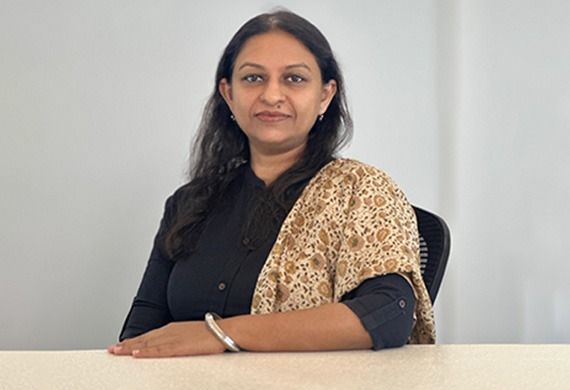
In an increasingly dynamic business environment, sustainable growth depends on how effectively organizations align talent, culture, and leadership with evolving business priorities. For senior HR leader Shifa Suresh, the emphasis lies in creating integrated people ecosystems that strengthen accountability, accelerate capability building, and foster high-trust workplace cultures.
With nearly 27 years of experience across consulting and operational HR, she has played a pivotal role in driving organizational transformation, leadership development, talent retention, and performance excellence across reputed organizations.
In conversation with Women Entrepreneurs Review Magazine, Shifa shares her insights on strategic HR leadership, business-aligned talent practices, organizational development, and the evolving role of HR in building resilient, growth-focused enterprises.
Read the complete article for deeper insights on strategic HR leadership and people strategies for organizational growth.
Q1. As organizations evolve from static hierarchies to agile, purpose-driven workplaces, how should HR leaders redefine people strategies to balance growth, culture, and long-term business resilience?
A. As organizations move toward agility, HR must simplify structures while strengthening accountability. Practically, this means shorter goal cycles, clearer KRAs, and empowering managers to make people decisions faster. We need workforce plans linked directly to business expansion, new markets, or capability gaps — not generic hiring targets. Culture must be operationalized through measurable behaviors: response time, collaboration norms, customer orientation.
HR should track leading indicators like internal mobility, leadership bench strength, and engagement of critical talent. Long-term resilience comes from building multi-skilled teams, investing in leadership development early, and ensuring succession plans are reviewed as rigorously as financial forecasts.
Q2. How did your early exposure to both consulting and operational HR shape a more integrated, business-aligned approach to designing talent ecosystems?
A. Consulting taught me to ask “why” before recommending solutions. Operational HR taught me that execution defines credibility. In practice, I stopped launching standalone initiatives and began designing integrated talent roadmaps. For example, hiring plans were aligned with three-year business growth projections, while learning programs directly addressed performance gaps identified in business reviews.
I also learned to use data — attrition patterns, productivity metrics, engagement scores — to diagnose issues before proposing interventions. This blended exposure helped me balance structured frameworks with on-ground realities, ensuring HR strategies were not theoretical but implementable, measurable, and owned by business leaders.
Q3. As you moved into HR leadership roles, how did you reimagine performance, retention, and culture frameworks to transform growing organizations into structured, high-trust, high-performance environments?
A. To build a high-trust, high-performance environment, we moved from annual appraisals to structured quarterly check-ins focused on outcomes and development. We trained managers on giving clear, behavior-based feedback instead of generic ratings. Retention efforts focused on career pathways and internal mobility, not just compensation corrections. We mapped critical roles and created succession slates with readiness timelines.
Culture was reinforced through leadership expectations — transparency in decisions, fairness in promotions, and visible accountability.
We also created forums where employees could raise concerns without hierarchy barriers. Performance improved when clarity, feedback, and growth opportunities became consistent and predictable.
Q4. When HR becomes a strategic partner rather than a support function, what mindset shifts help leaders align people practices with business transformation, innovation, and sustainable growth?
A. Becoming a strategic partner starts with understanding the business model in detail — revenue streams, margins, cost pressures, and growth ambitions. In leadership meetings, HR must bring insights, not updates. For instance, instead of reporting attrition numbers, we analyzed impact on customer delivery and replacement costs. During expansion phases, we forecasted capability gaps six months ahead and built hiring pipelines proactively. We linked incentive plans directly to business KPIs and aligned learning investments to digital or operational priorities. The mindset shift is from “approving policies” to co-owning business targets. HR credibility increases when people decisions demonstrably improve performance outcomes.
Q5. As coaching, facilitation, and OD interventions gain importance, how can HR leaders design experiences that build self-awareness, resilience, and decision-making confidence across diverse professional journeys?
A. Effective coaching and OD requires structured design. We introduced 360-degree feedback for senior leaders, followed by facilitated action planning sessions. For mid-level managers, we created peer learning circles to discuss real business challenges. Resilience was strengthened by assigning cross-functional projects with executive mentoring support. Decision-making confidence improved when leaders were trained in data interpretation and stakeholder management. We also embedded reflection moments into leadership programs — not just content delivery.
The key is continuity: pre-assessments, intervention, follow-up reviews, and measurable behavioral goals. Development becomes impactful when it is linked to real business responsibilities and tracked over time.
LAST WORD: Advice for women leaders who aspire to shape strategic HR functions while building influence, credibility, and purpose-driven cultures across evolving organizations:
Women aspiring to strategic HR roles should intentionally build commercial understanding — read financial statements, attend business reviews, and ask operational questions. Volunteer for cross-functional projects that expose you to revenue and customer metrics. Build a reputation for delivery excellence before seeking influence. Develop executive presence — clarity, brevity, and confidence in leadership forums. Seek sponsors who can position you for strategic assignments.
Most importantly, don’t self-limit. Take on stretch roles even if you feel only 70% ready. Influence grows through demonstrated capability. When your recommendations consistently improve business results, credibility follows naturally.
Current Issue
Most Viewed
- 1 Talented Indian Female Actors Who Also Moonlight as Successful Producers
- 2 7 Indian Female Podcasters You Must Know About
- 3 7 Powerful Independent Indian Women Journalists Who are Voices of Change
- 4 Ruchikaa Kapoor Sheikh: The Creative Mind Behind Netflix India's Popular Shows
- 5 7 Most Influential Women Educators India has had over the Years
- 6 11 Breakthrough Female Faces Ruling the Indian OTT Platforms
- 7 8 Timeless Female Indian Classical Dancers & their Legacy
- 8 Women's Health Startup HerMD Closing Doors Amid Industry Challenges
- 9 Real Meets Reel: A List of 11 Indian Movies based on Real Women
- 10 Rasha Hassan: A Visionary Leader On A Mission To Transform Dubai's Real Estate Landscape
- 11 5 Indian Women-led IPOs You Must Know About
- 12 11 of the Most Iconic 21st Century Women to become "The First Indian Woman"
- 13 India's 7 Funniest Women Stand-Up Comics You Must Follow
- 14 Aparna Purohit : Leading India's Most Popular OTT Platforms
- 15 How Leaders Can Balance Risk & Innovation in Today's Banking Landscape
- 16 Dr. K. Shilpi Reddy: Sculpting Healthier Futures For The Next Generation With Reforms In Obstetrics Care
- 17 Sylvia Dcosta: A Visionary Business Leader Pushing The Limits And Setting High Professional Standards
- 18 Top 5 All-Rounder Women Cricketers of India
- 19 How Tata AIA is Empowering Women with Insurance That Understands Their Needs


