

What Happens Next?
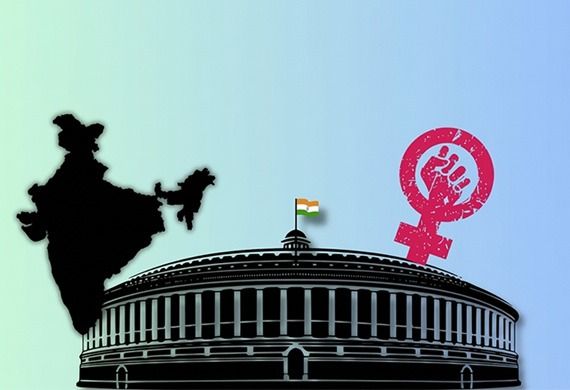
The key question at present is whether the Women's Reservation Act can be implemented without waiting for delimitation and the answer is increasingly tilting to a yes.
The government is considering the option of bringing in one more constitutional amendment to pave the way for early implementation. A plan is made on the basis of 2011 Census to conduct delimitation so that reservation policy can be implemented without delay. Another suggestion is to temporarily set aside delimitation and introduce reservation by other means.
One of the ideas on the table is to raise the number of Lok Sabha seats from 543 to about 816, and out of this, nearly 273 seats would be reserved for women. Such a change can have a profound effect on electoral politics while the proportion of representation across states would largely be kept at the current level to preserve the federal balance.
As per the mechanism of reserving seats, things like a lottery system or rotational reservation are under discussion, but nothing has been decided yet. Each method, however, has a number of pros and cons especially in terms of how to keep things fair over several election cycles.
If these plans get the green light during the upcoming parliamentary session, it is quite possible that the Women's Reservation Act will be implemented even before the 2029 Lok Sabha elections, which would be an unprecedented turning point in Indian politics. However, achieving it will need political agreement, constitutional amendments, and well-thought-out implementation.
Sounding out her scepticism, Rupali says, “Passing the bill was the first step. Now comes the harder work: the political will to implement and the cultural shift to ensure that the voices of the women in seats are heard. The Act carries a 15-year sunset clause and with it, a quiet ambition - to not need it at the end, but to have arrived at healthy representation regardless.”
The journey will be challenging, but there is not even a shadow of a doubt that the Women's Reservation Act has moved beyond being just a promise. It is actually a policy in progress now, and the manner in which India deals with delimitation will ultimately decide the turnaround time for that promise to be fulfilled.
Silpi Sahoo, Chairperson, SAI International Education Group summarises perfectly, “The Women’s Reservation Act is not just a policy intervention; it is a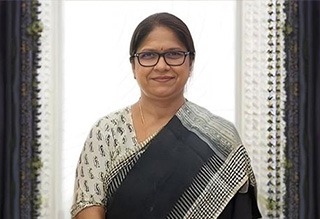 progressive step towards building a more inclusive and equitable society. In today’s era, where women are excelling across sectors, their representation in decision-making spaces is essential to ensure balanced perspectives and sustainable growth. The bill sparks an important conversation on empowerment, leadership, and equal opportunity.”
“As an educator, I believe it also inspires young girls to envision themselves as leaders and change-makers. True development can only be achieved when women are not just participants, but equal stakeholders in shaping the nation’s future.”
Here’s hoping that the young daughters of India will get to live in a world where they have an equal say in conversations that truly impact their lives.
Current Issue
Most Viewed
- 1 Talented Indian Female Actors Who Also Moonlight as Successful Producers
- 2 7 Indian Female Podcasters You Must Know About
- 3 7 Powerful Independent Indian Women Journalists Who are Voices of Change
- 4 Ruchikaa Kapoor Sheikh: The Creative Mind Behind Netflix India's Popular Shows
- 5 7 Most Influential Women Educators India has had over the Years
- 6 11 Breakthrough Female Faces Ruling the Indian OTT Platforms
- 7 8 Timeless Female Indian Classical Dancers & their Legacy
- 8 Women's Health Startup HerMD Closing Doors Amid Industry Challenges
- 9 Real Meets Reel: A List of 11 Indian Movies based on Real Women
- 10 Rasha Hassan: A Visionary Leader On A Mission To Transform Dubai's Real Estate Landscape
- 11 5 Indian Women-led IPOs You Must Know About
- 12 11 of the Most Iconic 21st Century Women to become "The First Indian Woman"
- 13 India's 7 Funniest Women Stand-Up Comics You Must Follow
- 14 Aparna Purohit : Leading India's Most Popular OTT Platforms
- 15 How Leaders Can Balance Risk & Innovation in Today's Banking Landscape
- 16 Dr. K. Shilpi Reddy: Sculpting Healthier Futures For The Next Generation With Reforms In Obstetrics Care
- 17 Sylvia Dcosta: A Visionary Business Leader Pushing The Limits And Setting High Professional Standards
- 18 Top 5 All-Rounder Women Cricketers of India
- 19 How Tata AIA is Empowering Women with Insurance That Understands Their Needs