
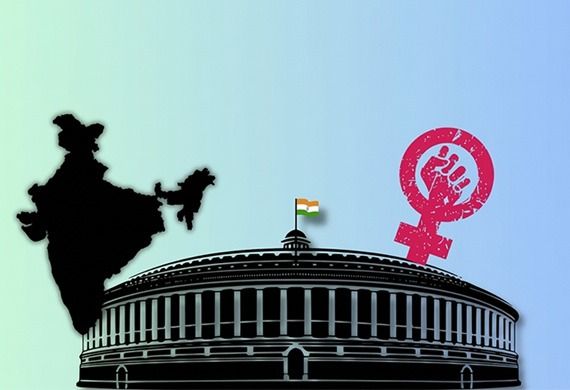

The Women’s Reservation Act is also an important step towards creating more balanced and representative leadership. Reema Bhandari, Director, M Moser Associates, says, “It brings attention to the structural gaps
.jpg) that have historically limited women’s participation in decision-making roles. While policy can enable access, the larger opportunity lies in building capability, confidence, and long-term leadership pipelines for women. In today’s era, the conversation is not just about representation, but about ensuring women have a meaningful voice in shaping outcomes across sectors.”
that have historically limited women’s participation in decision-making roles. While policy can enable access, the larger opportunity lies in building capability, confidence, and long-term leadership pipelines for women. In today’s era, the conversation is not just about representation, but about ensuring women have a meaningful voice in shaping outcomes across sectors.”
The initial thrill, however, was tempered by questions and bewilderment. What took them so long to come up with such a great idea? What is delimitation that has made it so important, so crucial? Then there are the recent conversation about using the older Census data and even amending the law again, people are searching for clear answers.
Let’s takes a look at the nitty-gritties of the Women's Reservation Act, the concept of delimitation and explains them in the most straightforward way possible, drawing the link between the law, the politics and what it actually means for India's future.
What is the Women’s Reservation Act and why is everyone talking about it right now?
Women's Reservation Act is considered a significant and one of most transformative steps in the history of India's democracy. It legislates for 33% reservation for women in Lok Sabha and State Legislative Assemblies which is a step towards correcting the persisting gender political imbalance. At present, women's participation in Parliament remains relatively low, making this move necessary and overdue, both.
The Act also promotes inclusiveness by allocating a certain number of seats within the Scheduled Castes (SC) and Scheduled Tribes (ST) categories specifically for women. However, although it was enacted in 2023, the law has not been implemented yet. This is because its implementation requires the completion of a bigger administrative task i.e., delimitation.
Currently, what is getting media attention is the government's fresh effort to push the implementation of the Women's Reservation Act ahead of the expected schedule. Debates are being held to separate the Act from the delimitation process or to expedite the delimitation by using older Census data. This change of stance has sparked public enthusiasm, turning the Act into one of the most searched political subjects nowadays.
Why is the Women’s Reservation Act Important?
India ranks 131 out of 148 countries in the World Economic Forum's Global Gender Gap Report 2025 and is among the lowest ranked in South Asia. In this context,
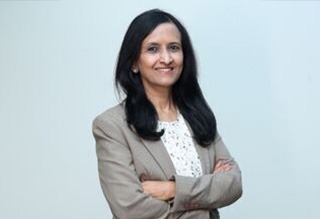 the Women's Reservation Bill is a defining conversation in 2026, explains Geetha Ramamoorthi, Chairperson of Indo American Chamber of Commerce TN.
“With studies indicating that female leaders prioritize areas such as health, education, sanitation and water, 33% female representation will have a positive impact not only with respect to addressing women’s issues but also enable holistic development from a socio-economic standpoint. It will bring women to the decision-making table and pave way for them to become policy makers. The implementation of this bill will be a watershed moment for India as it is intended to foster a more inclusive and representative democracy,” says Geetha.
Current Issue
Most Viewed
- 1 Talented Indian Female Actors Who Also Moonlight as Successful Producers
- 2 7 Indian Female Podcasters You Must Know About
- 3 7 Powerful Independent Indian Women Journalists Who are Voices of Change
- 4 Ruchikaa Kapoor Sheikh: The Creative Mind Behind Netflix India's Popular Shows
- 5 7 Most Influential Women Educators India has had over the Years
- 6 11 Breakthrough Female Faces Ruling the Indian OTT Platforms
- 7 8 Timeless Female Indian Classical Dancers & their Legacy
- 8 Women's Health Startup HerMD Closing Doors Amid Industry Challenges
- 9 Real Meets Reel: A List of 11 Indian Movies based on Real Women
- 10 Rasha Hassan: A Visionary Leader On A Mission To Transform Dubai's Real Estate Landscape
- 11 5 Indian Women-led IPOs You Must Know About
- 12 11 of the Most Iconic 21st Century Women to become "The First Indian Woman"
- 13 India's 7 Funniest Women Stand-Up Comics You Must Follow
- 14 Aparna Purohit : Leading India's Most Popular OTT Platforms
- 15 How Leaders Can Balance Risk & Innovation in Today's Banking Landscape
- 16 Dr. K. Shilpi Reddy: Sculpting Healthier Futures For The Next Generation With Reforms In Obstetrics Care
- 17 Sylvia Dcosta: A Visionary Business Leader Pushing The Limits And Setting High Professional Standards
- 18 Top 5 All-Rounder Women Cricketers of India
- 19 How Tata AIA is Empowering Women with Insurance That Understands Their Needs