
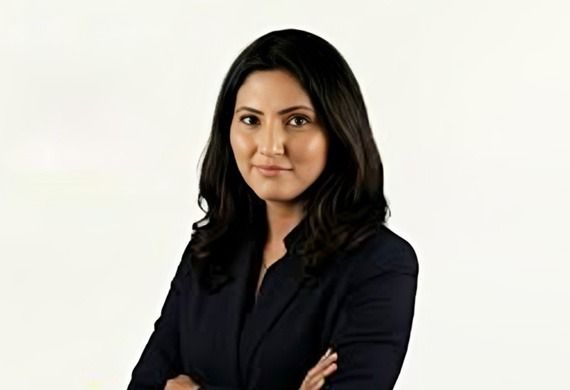

Mansi Talwar is a Life and Mindful Leadership Coach with over two decades of experience guiding corporate leaders, HR professionals, and teams. She empowers organizations to unlock potential, enhance emotional intelligence, foster psychological safety, and cultivate happiness and well-being at work.
In an engaging interaction with Women Entrepreneurs Review Magazine, Mansi shares her insights on mindful leadership. She emphasizes how presence, emotional intelligence, and empathy drive engagement, clarity, and productivity in modern workplaces. Mansi also explains how these factors help leaders balance results with well-being while fostering empowered, high-performing teams.
To learn more about practical mindful practices for leaders and their impact on team culture, read the full article below.
How do you define Mindful Leadership? How do you see it emerging as such an impactful differentiator in a modern Indian workplace?
Mindful Leadership is the ability to lead with presence, clarity, and emotional intelligence. It’s not about slowing down work; it’s about slowing down reactivity so decisions become sharper and relationships become stronger. A mindful leader notices what’s happening in the room, what’s happening within themselves, and what the moment truly needs.
In India’s modern workplaces, this is becoming a powerful differentiator because technical skills are no longer enough. Teams are younger, more diverse, and more vocal about well-being. A leader who can regulate their own emotions and communicate with empathy builds trust faster, reduces burnout, and inspires genuine ownership. Mindful Leadership helps companies grow without compromising the humans who make the growth possible.
When did you first observe this distinction of a performance-driven leadership a more mindful, emotionally intelligent leader in your coaching journey within co-operate leaders?
I noticed the difference very early in my coaching journey when I worked closely with high-performing corporate leaders who were technically brilliant, exceptional at strategy and execution, yet constantly overwhelmed, disconnected from their teams, and running on autopilot. They could drive results, but their teams were anxious, disconnected, or constantly firefighting.
Around the same time, I met a smaller group of leaders who were equally ambitious but far more self-aware. They paused, reflected, communicated with clarity, and consistently created healthier, more productive environments. Their teams were more engaged, turnover was lower, and collaboration was stronger. And all this was not because of pressure but because they felt valued.
That contrast made it clear to me that leadership is not only about strategy. It is about emotional intelligence, presence, and the ability to lead people, not just tasks.
Many leaders today struggle to balance results with well-being. Can you share a moment where mindfulness helped a leader transform stress into clarity or empathy?
One moment that stands out is a senior leader who came to me during a period of intense pressure. His team was missing deadlines, and he felt he had to control every detail. Through a simple mindfulness exercise of pausing before meetings and checking in with his own emotional state, he realised his stress was leaking into the room and shutting people down. When he shifted to asking one intentional question at the start of each meeting, “What support do you need from me today?” the atmosphere changed. His team opened up, communication improved, and the pressure eased. Mindfulness did not slow him down. It helped him lead with clarity instead of tension.
You often say that mindful leadership builds not just productivity, but emotional safety. How does this shift in culture become a true competitive advantage for organizations?
Emotional safety becomes a competitive advantage because it removes time and energy wasted on fear, politics, and second guessing. When people do not worry about being judged or blamed, they focus on the actual work. They speak up earlier, fix problems faster, and share ideas that they would normally hold back.
Mindful leadership creates this by being predictable in behaviour, clear in expectations, and calm under pressure.
The result is simple. Teams stop operating in survival mode and start operating in problem solving mode. Productivity improves because people feel supported, not scared. In a market where speed and collaboration matter, emotionally safe teams outperform stressed teams every single time.
In your experience, what small, practical habits can leaders adopt daily to bring mindfulness into decision-making and team conversations, without slowing business momentum?
Leaders do not need long meditations to be mindful. They need small habits that fit into a busy day. One useful habit is taking a ten second pause before responding to messages or entering a meeting. This prevents reactive decisions. Another is starting meetings with a simple check in question like, “What do we need clarity on today?” It gets everyone aligned faster. Limiting multitasking during conversations also helps. When a leader listens fully for even one minute, they get better information and make better calls. And ending the day with a quick review of what worked and what did not keeps decision making sharp. These habits take very little time but create a huge shift in presence and judgement.
Last Word: Mindful Practices Or Mindset Needed to Feel Balanced, Confident & Empowered
What helped me most was learning to pause before reacting. In fast moving environments, speed can easily turn into pressure, and pressure can turn into self doubt. A simple pause helped me stay objective instead of emotional. Another practice was separating feedback from identity. I took the learning, not the label. This kept my confidence stable even when situations were tough. I also created non-negotiable routines like short morning grounding exercises and evening reflection to reset my mind. Finally, I learned to ask for support instead of carrying everything alone. These small shifts helped me stay balanced, make clearer decisions, and show up with the energy and confidence my role required.
Current Issue

Most Viewed
- 1 Talented Indian Female Actors Who Also Moonlight as Successful Producers
- 2 7 Indian Female Podcasters You Must Know About
- 3 7 Powerful Independent Indian Women Journalists Who are Voices of Change
- 4 Ruchikaa Kapoor Sheikh: The Creative Mind Behind Netflix India's Popular Shows
- 5 7 Most Influential Women Educators India has had over the Years
- 6 11 Breakthrough Female Faces Ruling the Indian OTT Platforms
- 7 8 Timeless Female Indian Classical Dancers & their Legacy
- 8 Women's Health Startup HerMD Closing Doors Amid Industry Challenges
- 9 Real Meets Reel: A List of 11 Indian Movies based on Real Women
- 10 Rasha Hassan: A Visionary Leader On A Mission To Transform Dubai's Real Estate Landscape
- 11 5 Indian Women-led IPOs You Must Know About
- 12 11 of the Most Iconic 21st Century Women to become "The First Indian Woman"
- 13 India's 7 Funniest Women Stand-Up Comics You Must Follow
- 14 Aparna Purohit : Leading India's Most Popular OTT Platforms
- 15 How Leaders Can Balance Risk & Innovation in Today's Banking Landscape
- 16 Dr. K. Shilpi Reddy: Sculpting Healthier Futures For The Next Generation With Reforms In Obstetrics Care
- 17 Sylvia Dcosta: A Visionary Business Leader Pushing The Limits And Setting High Professional Standards
- 18 Top 5 All-Rounder Women Cricketers of India
- 19 How Tata AIA is Empowering Women with Insurance That Understands Their Needs


