
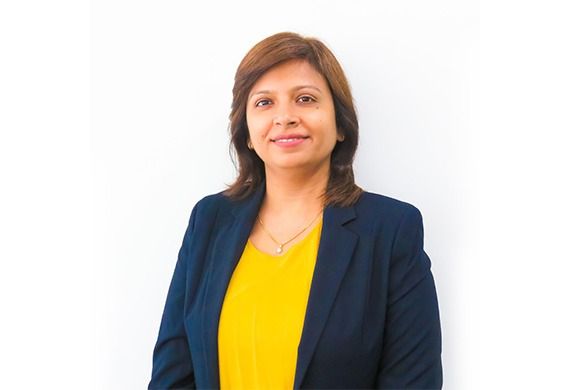

Mili Chikhal, a globally experienced HR leader with over 20 years across EPC, logistics, aviation, and retail, known for shaping people strategy, leading cultural transformation, and building future-ready HR models. She excels in leadership development, workforce planning, digital HR, and creating inclusive, high-performing workplaces across geographies.
In the following article, Mili shares deep insights into inclusive leadership, cultural transformation, and the evolving role of women in logistics.
Change in logistics does not always arrive with new technologies or trade routes. Sometimes, it begins quietly, through the way people lead and the values they bring to their work.
Evolving Beyond Traditional Perceptions
When I first stepped into the logistics sector, I was struck by its rhythm, the precision, the pace, and the constant movement that keeps economies connected. But what fascinated me most was not the movement of goods, it was the movement of people, ideas, and possibilities. Over time, I have seen logistics evolve from being defined purely by operations and process into a more dynamic and people focused space driven by innovation, empathy, and collaboration.
For decades, logistics carried an image of being too demanding or too technical for women. The long working hours, field intensity, and operational grind seemed to create barriers that often discouraged participation. But as technology, automation, and digitalisation transformed the industry, those old boundaries began to fade. These are spaces where diversity of thought brings clear advantages, not just in perspective but in performance.
This shift opened the door for many more women to contribute meaningfully across all areas of the supply chain. What once seemed inaccessible began to feel achievable. The workplace conversation slowly moved from who fits in to how we can make everyone thrive.
Building Culture Through Equal Opportunity
This evolution has been just as cultural as it has been technological. At DACHSER, I have seen how management trainee and leadership programmes grounded in fairness, respect, and ownership can make opportunity more accessible to all. When these principles are embedded in hiring, development, and recognition, diversity does not have to be enforced, it becomes a natural reflection of the organisation’s values.
Equal access to learning and leadership opportunities has allowed people to grow on merit rather than perception.
It has also helped create teams that are more balanced, open, and agile. Culture, after all, is not something that appears in statements, it shows up in how people are supported, trusted, and empowered every day. When that happens consistently, the workplace becomes more than a space for transactions; it becomes a place for growth and purpose.
Empathy as a Strength in a Demanding Industry
Working in a fast-paced sector like logistics often means operating in a dynamic environment. There are deadlines, disruptions, and complex interdependencies that need quick thinking and coordination. In such an environment, empathy may seem like a gentle quality, but it has proven to be one of the strongest.
Empathy does not mean lowering standards or overlooking challenges.
It means understanding people’s perspectives, recognising effort, and creating an environment where individuals can perform at their best. When leaders show understanding and communicate with transparency, teams respond with trust. That trust is what sustains performance even when the pace intensifies.
In logistics, where every link in the chain matters, empathy has quietly become a differentiator. It builds stronger teams, fosters accountability, and helps maintain stability during change.
Strengthening Culture as a Long Term Advantage
Technology can accelerate efficiency, but it is culture that sustains progress. The most resilient logistics organisations recognise that investing in people capability is directly linked to operational excellence.
At DACHSER, aligning people strategy with business priorities has been essential. Efforts such as digitalising processes, developing learning pathways, and maintaining clarity in communication have strengthened collaboration across teams and geographies.
These initiatives are not about perfection but about consistency, ensuring that people at every level feel part of a shared direction. When employees understand both what they are working toward and how their contributions matter, engagement naturally improves. That sense of connection turns culture into a competitive advantage that technology alone cannot deliver.
Redefining Leadership Through Connection
As the industry evolves, leadership itself is being redefined. The traditional hierarchical model of management is evolving into a more collaborative and inclusive approach, fostering greater innovation and engagement. Today’s logistics leaders are expected to combine analytical rigour with emotional intelligence, decision making with listening, and structure with adaptability.
Women leaders continue to redefine what leadership means—balancing clarity with compassion, empathy with precision, and structure with creativity.
These are essential human qualities that make leadership more inclusive, resilient, and future-ready.
At DACHSER, there is a conscious effort to cultivate leadership at all levels. Through mentorship, cross functional exposure, and structured learning, managers are encouraged to develop both strategic thinking and people capability. The result is a culture where leadership is not limited to titles; it becomes part of the organisation’s everyday rhythm.
Encouraging the Next Generation
While the progress made so far is encouraging, there is still work ahead. To attract and retain more women in logistics, visibility, mentorship, and flexibility remain key. Visibility matters because it helps break stereotypes. When young professionals see women leading operations, technology, or strategic initiatives, it reshapes what they believe is possible.
Mentorship too plays a crucial role. Having a trusted guide can make a world of difference in navigating complex, fast paced environments. It not only helps in developing skills but also in building confidence. Flexibility and supportive policies further ensure that ambition can coexist with personal priorities.
Over the years, I have interacted with many professionals who entered the industry unsure of where they would fit, only to discover that logistics offers room to grow in multiple directions. Their journeys reflect how inclusive opportunities and thoughtful leadership can turn hesitation into confidence. Each success story becomes a signal for others to step forward and explore the field with renewed belief.
The Road Ahead
The logistics sector today stands at a pivotal point where technology, talent, and transformation are converging. To stay ahead, the industry must continue to tap into the full spectrum of human potential. Gender balance is not simply a compliance objective; it is a business advantage that strengthens creativity, resilience, and adaptability.
Women in logistics are no longer participants in change — they are shaping its direction and redefining what effective leadership looks like.
As logistics continues to evolve, leadership will be defined less by hierarchy and more by connection, inclusivity, and shared success.
The world of logistics has always been about movement, but its most meaningful journey is the one toward collaboration and balance, where progress is powered equally by technology and by people.
Current Issue
Most Viewed
- 1 Talented Indian Female Actors Who Also Moonlight as Successful Producers
- 2 7 Indian Female Podcasters You Must Know About
- 3 7 Powerful Independent Indian Women Journalists Who are Voices of Change
- 4 Ruchikaa Kapoor Sheikh: The Creative Mind Behind Netflix India's Popular Shows
- 5 7 Most Influential Women Educators India has had over the Years
- 6 11 Breakthrough Female Faces Ruling the Indian OTT Platforms
- 7 8 Timeless Female Indian Classical Dancers & their Legacy
- 8 Women's Health Startup HerMD Closing Doors Amid Industry Challenges
- 9 Real Meets Reel: A List of 11 Indian Movies based on Real Women
- 10 Rasha Hassan: A Visionary Leader On A Mission To Transform Dubai's Real Estate Landscape
- 11 5 Indian Women-led IPOs You Must Know About
- 12 11 of the Most Iconic 21st Century Women to become "The First Indian Woman"
- 13 India's 7 Funniest Women Stand-Up Comics You Must Follow
- 14 Aparna Purohit : Leading India's Most Popular OTT Platforms
- 15 How Leaders Can Balance Risk & Innovation in Today's Banking Landscape
- 16 Dr. K. Shilpi Reddy: Sculpting Healthier Futures For The Next Generation With Reforms In Obstetrics Care
- 17 Sylvia Dcosta: A Visionary Business Leader Pushing The Limits And Setting High Professional Standards
- 18 Top 5 All-Rounder Women Cricketers of India
- 19 How Tata AIA is Empowering Women with Insurance That Understands Their Needs


