
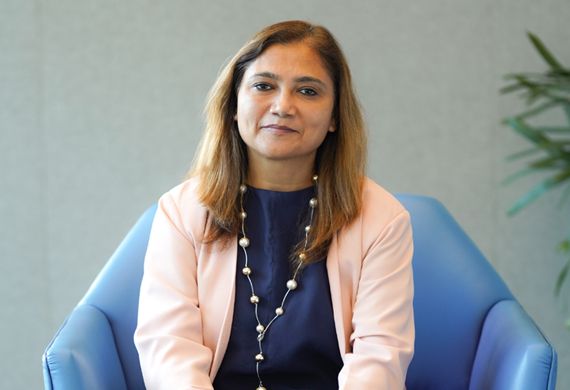

Ruhie is a seasoned HR leader with more than two decades of experience. In her current role, she is shaping Sterlite Power's growth through strategic talent management and leadership development. Previously, Ruhie led HR at Godrej Capital and Godrej Properties, driving people strategy and organizational change.
In a recent conversation with the Women Entrepreneurs Review Magazine, Ruhie emphasized the importance of fostering belonging and psychological safety, especially in less diverse industries, to retain talent and how do we empower HR professionals and managers to advocate for DEI and drive cultural transformation.
A culture of belonging and psychological safety within teams, especially in industries where diversity may be lacking is crucial for companies to retain talent. In your opinion why is it important for companies to cultivate a sense of belonging among employees?
For an employee to go from being on a team to belonging to a team, the organization’s culture should be one that is genuinely shaped by a commitment to Diversity, Equity, & Inclusion. Your DE&I efforts can be deemed successful if every employee is able to be their authentic self. When that happens, you’ll see your teams transform creatively. This impact on creativity and innovation is something I witness all the time in inclusive teams. Today, work culture plays a significant role in attracting and retaining the top talent, which makes fostering a sense of belongingness and ensuring the psychological safety of all employees extremely important from even a talent perspective. In industries where diversity has been historically lacking, this is not a transformation that can be brought about overnight. Leaders have a responsibility to model the right behaviors and imbibe a sense of accountability among managers, who then shape the culture within their respective teams.
As a seasoned HR leader what strategies do you employ to ensure that employees feel a sense of belonging and safety? How have these strategies fared so far?
Having worked across diverse industries with distinct cultures and operational norms, I’ve learned that a one-size-fits-all HR strategy simply doesn’t suffice. Recognizing the nuances of each industry, its historical context, and the individual needs of employees within your organization is paramount. Moreover, it is essential to continuously assess progress and adapt strategies accordingly. To me, it is extremely important to talk to employees at every level directly and understand the unique challenges that may otherwise be overlooked. Initiating honest conversations and fostering open dialogue not only cultivates understanding but also strengthens your DE&I efforts. Authenticity and transparency are key; when employees witness these qualities in leadership, they are more inclined to reciprocate, fostering a culture of openness and authenticity throughout the organization.
With your extensive background in building engaged and capable teams across diverse industries, how do you approach developing tailored DEI strategies that resonate with the unique cultural dynamics and challenges of different sectors?
Different sectors come with their unique challenges, and that is something every HR personnel should be sensitized to in order to craft impactful DE&I strategies. For example, in the energy sector, diversity has only been prioritized in the last few decades. Which is why this is one of the focus areas for the HR and Talent Acquisition teams at Sterlite Power. Representation matters greatly when it comes to ensuring an inclusive and welcoming culture for all. With 40% of our Executive Committee being comprised of women, we are definitely moving in the right direction in this regard. We also ensure that the support extends beyond hiring through talent building programs and mentorship tailored to unique needs of the employees. Such efforts can go a long way in building engaged, capable, and inclusive teams.
What role do business leaders play in championing DEI initiatives beyond just endorsing policies? How do you advise executives to authentically embed DEI principles into their leadership style and decision-making processes?
Business leaders play a very important role in shaping an organization’s culture. It is vital that their behaviors reflect the values they want other employees to model. From their leadership styles to their decision-making process and personal goals, every aspect has the power to influence company culture. I believe that regardless of their level, leaders must continuously educate themselves about DE&I issues. They should be attuned to the unique challenges and perspectives of their employees and be committed to making a positive impact. Some steps that can be taken to actively shape an inclusive culture include regularly engaging in open dialogues with diverse employee groups and advocating for diverse talent in hiring and promotions. By prioritizing empathy and inclusivity in every decision, business leaders can build a more equitable workplace that reflects their genuine commitment to DEI.
As a woman leader who is passionate about coaching, how do you empower HR professionals and line managers to become effective allies and advocates for DEI within their respective spheres of influence, fostering a bottom-up cultural transformation?
As a leader, I prioritize being involved at the ground level with my team, as this is essential for staying informed about DEI gaps. Leaders should engage in regular check-ins, feedback sessions, and casual conversations with managers and HR teams to reinforce the organization’s DEI goals and emphasize their commitment to the cause. This proactive approach creates a domino effect, ensuring that the right values are cascaded throughout the organization and fostering supportive networks of allies. By maintaining this level of engagement, leaders can cultivate an inclusive culture and drive meaningful change from within. The power of education in all this cannot be dismissed. Line managers should receive comprehensive training on DEI principles, so that they understand the importance of diversity and inclusion and how it benefits the organization. Moreover, inclusive leadership skills, such as empathy, cultural competence, and equitable decision-making, should be encouraged and developed. This will not only create allies but also amplify their voices.
Can you share some insights on fostering intergenerational collaboration and inclusion within teams, considering the diverse perspectives and communication preferences of different age groups in today's workforce?
The first step to fostering intergenerational collaboration is recognizing and valuing the diverse perspectives and communication preferences of different age groups. We often fall into the trap of considering one style superior to others, expecting different generations to entirely change their ways of working and imposing practices they may find uncomfortable. To avoid this, it is important to create opportunities for different generations to work with each other and thus learn from each other. Reciprocal mentorship programs can ensure that older employees share experience and younger employees offer fresh perspectives and tech-savvy insights. We need to leverage the diverse strengths of different generations and provide training in other areas where support is needed. Moreover, generational biases should be addressed immediately. As leaders, we should demonstrate respect for all age groups and encourage an inclusive environment.
What message would you like to give to our readers?
Education is a continuous process that is essential not only for leaders but for all employees. It is crucial that we educate ourselves about DE&I challenges and understand the unique issues faced by people across different demographics. We must all adopt an open mind and nurture our understanding of the evolving world. This is best achieved through open conversations with diverse individuals. As allies, we need to be vocal in our support and become active participants in championing the DE&I cause.
Current Issue
Most Viewed
- 1 Talented Indian Female Actors Who Also Moonlight as Successful Producers
- 2 7 Indian Female Podcasters You Must Know About
- 3 7 Powerful Independent Indian Women Journalists Who are Voices of Change
- 4 Ruchikaa Kapoor Sheikh: The Creative Mind Behind Netflix India's Popular Shows
- 5 7 Most Influential Women Educators India has had over the Years
- 6 11 Breakthrough Female Faces Ruling the Indian OTT Platforms
- 7 8 Timeless Female Indian Classical Dancers & their Legacy
- 8 Women's Health Startup HerMD Closing Doors Amid Industry Challenges
- 9 Real Meets Reel: A List of 11 Indian Movies based on Real Women
- 10 Rasha Hassan: A Visionary Leader On A Mission To Transform Dubai's Real Estate Landscape
- 11 5 Indian Women-led IPOs You Must Know About
- 12 11 of the Most Iconic 21st Century Women to become "The First Indian Woman"
- 13 India's 7 Funniest Women Stand-Up Comics You Must Follow
- 14 Aparna Purohit : Leading India's Most Popular OTT Platforms
- 15 How Leaders Can Balance Risk & Innovation in Today's Banking Landscape
- 16 Dr. K. Shilpi Reddy: Sculpting Healthier Futures For The Next Generation With Reforms In Obstetrics Care
- 17 Sylvia Dcosta: A Visionary Business Leader Pushing The Limits And Setting High Professional Standards
- 18 Top 5 All-Rounder Women Cricketers of India
- 19 How Tata AIA is Empowering Women with Insurance That Understands Their Needs


