
Leaders
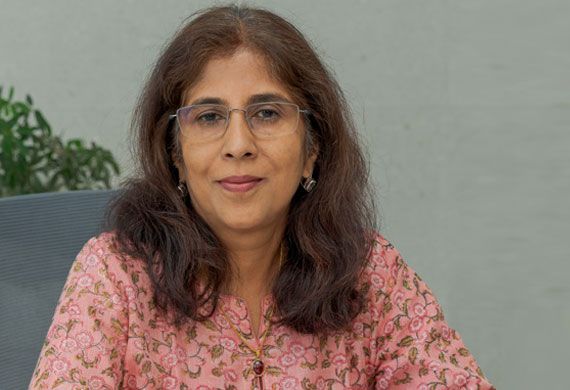


Obstetrics and Gynecology is one of the most important areas of women’s healthcare, covering everything from reproductive health and pregnancy to childbirth and fertility concerns. The specialty calls for sound medical knowledge, surgical expertise and, equally, the ability to understand the concerns and expectations of women at different stages of their lives.
With fertility care becoming increasingly specialised, the role of experienced Obstetricians and Gynecologists has also expanded, particularly in helping women navigate complex reproductive challenges with clarity and confidence. One such specialist is Dr. Padma Rekha Jirge, Senior IVF Specialist at Sushrut IVF Clinic & Shreyas Hospital, whose professional journey has been shaped by extensive clinical training, research and a strong focus on patient care.
She began her medical education at Bangalore Medical College in Bengaluru, an experience that fostered her interest in continuous learning. Her parents’ strong belief in education also played an important role in supporting her aspirations.
After completing her MBBS, Dr. Jirge appeared for the competitive entrance examination for postgraduate medical training in the UK. Qualifying for the programme marked an important turning point in her career. She went on to spend eight years training at leading institutions in the UK, gaining experience across Obstetrics and Gynecology, including high-risk obstetrics, laparoscopic and hysteroscopic surgery.
During this period, she completed her postgraduate training and obtained her MRCOG from the Royal College of Obstetricians and Gynaecologists, becoming one of the youngest candidates to achieve the qualification that year.
Dr. Padma rekha jirge champions ethical, evidence-based fertility care, combining clinical excellence, compassion, research, and patient empowerment
Her interest in reproductive medicine grew further through a clinical research fellowship in assisted reproductive technology at the University of Glasgow. Working with experienced researchers under the mentorship of Professor Richard Fleming, she gained exposure to developments in ART while also understanding the importance of evidence-based treatment and honest communication with patients.
These experiences have since remained central to Dr. Jirge’s practice, combining specialised fertility care with clinical judgement, research-led thinking and a patient-centred approach to reproductive medicine.
Which clinical experiences and professional milestones have most influenced your approach to reproductive medicine and personalized patient care?
My training in assisted reproductive technology, endoscopic surgery and high-risk Obstetrics gave me a comprehensive understanding of fertility care. More recently, completing my MSc in Epidemiology from the University of Edinburgh broadened my perspective from treating an individual patient to understanding the larger community and public health context.
Over time, I have developed a 360-degree approach, looking beyond infertility to the individual, family and social environment. I also understand that IVF is only the beginning; patients need continued support throughout pregnancy. My commitment to clinical research and academic leadership has further strengthened my accountability towards improving patient outcomes.
How do you integrate clinical expertise, evidence-based medicine and compassionate care while addressing the emotional needs of patients undergoing fertility treatment?
IVF brings science, clinical expertise and compassionate care together. While assisted reproductive technology requires highly advanced laboratories and rigorous scientific standards, we must never lose sight of the couple at the centre of treatment. Fertility treatment can be physically, emotionally and financially demanding, and often becomes a prolonged journey rather than a single procedure.
I therefore believe strongly in multidisciplinary care, where clinicians, counsellors and other specialists work together to support patients. My role is not only to provide scientific and clinical guidance but also to ensure that patients feel understood, informed and supported throughout their fertility journey.
What has shaped Sushrut IVF Clinic’s journey, and what principles continue to guide its approach to comprehensive fertility care?
Sushrut IVF Clinic has evolved over more than two decades, beginning with a strong commitment to ethical and legally sound fertility practice. Even before a comprehensive legal framework existed in India, we followed international standards and ethical principles. This remains central to our approach today.
We have built an empowered multidisciplinary team involving clinicians, embryologists, counsellors and nursing professionals. We were also among the early centres in the region to establish an ART bank for ethically approved third-party reproduction. Our expertise includes IVF, low ovarian reserve, fertility preservation and severe male-factor infertility. Most importantly, we treat patients as informed partners.
Which emerging developments in reproductive medicine do you believe will have the greatest impact on fertility outcomes?
I believe progress in reproductive medicine will come from several complementary developments rather than one technology. Fertility preservation is increasingly important for young people affected by cancer and those at risk of premature ovarian reserve loss. Preimplantation genetic testing is another major advancement, enabling appropriate embryos to be selected especially in older women or when specific inherited disorders are identified.
Minimally invasive surgery also plays an important role in managing fibroids, endometriosis and adenomyosis before IVF. We are closely watching developments in ovarian and endometrial rejuvenation, while artificial intelligence is already assisting areas such as patient communication and follicular assessment. However, emerging technologies must be carefully validated before widespread clinical adoption.
What is your long-term vision for reproductive medicine in India, and what legacy would you like to leave for future healthcare professionals and women specialists?
I would like to see reproductive medicine in India become increasingly patient-centred, ethical, evidence-based and research-driven. India has tremendous clinical talent, and I believe we can contribute much more strongly to global research and innovation. My message to future healthcare professionals is to remain committed to ethical practice, continuous learning, patient-centred care and meaningful research.
For aspiring women specialists, I believe every woman should define her own trajectory rather than measure herself against others. Professional and personal journeys may intersect, but each woman must determine her own priorities and believe in her ability to achieve them. That confidence can shape a fulfilling and meaningful career.
Dr. Padma Rekha Jirge, Senior IVF Specialist, Sushrut IVF Clinic & Shreyas Multispeciality Hospital and Research Institute
Dr. Padma Rekha Jirge is a Senior IVF Specialist at Sushrut IVF Clinic & Shreyas Multispeciality Hospital and Research Institute, with expertise in reproductive medicine, high-risk obstetrics and fertility enhancing endoscopic surgery. An MRCOG and MSc in Epidemiology, she has trained in the UK with extensive experience in ART, fertility preservation and clinical research.
Current Issue
Most Viewed
- 1 Talented Indian Female Actors Who Also Moonlight as Successful Producers
- 2 7 Indian Female Podcasters You Must Know About
- 3 7 Powerful Independent Indian Women Journalists Who are Voices of Change
- 4 Ruchikaa Kapoor Sheikh: The Creative Mind Behind Netflix India's Popular Shows
- 5 7 Most Influential Women Educators India has had over the Years
- 6 11 Breakthrough Female Faces Ruling the Indian OTT Platforms
- 7 8 Timeless Female Indian Classical Dancers & their Legacy
- 8 Women's Health Startup HerMD Closing Doors Amid Industry Challenges
- 9 Real Meets Reel: A List of 11 Indian Movies based on Real Women
- 10 Rasha Hassan: A Visionary Leader On A Mission To Transform Dubai's Real Estate Landscape
- 11 5 Indian Women-led IPOs You Must Know About
- 12 11 of the Most Iconic 21st Century Women to become "The First Indian Woman"
- 13 India's 7 Funniest Women Stand-Up Comics You Must Follow
- 14 Aparna Purohit : Leading India's Most Popular OTT Platforms
- 15 How Leaders Can Balance Risk & Innovation in Today's Banking Landscape
- 16 Dr. K. Shilpi Reddy: Sculpting Healthier Futures For The Next Generation With Reforms In Obstetrics Care
- 17 Sylvia Dcosta: A Visionary Business Leader Pushing The Limits And Setting High Professional Standards
- 18 Top 5 All-Rounder Women Cricketers of India
- 19 How Tata AIA is Empowering Women with Insurance That Understands Their Needs


