
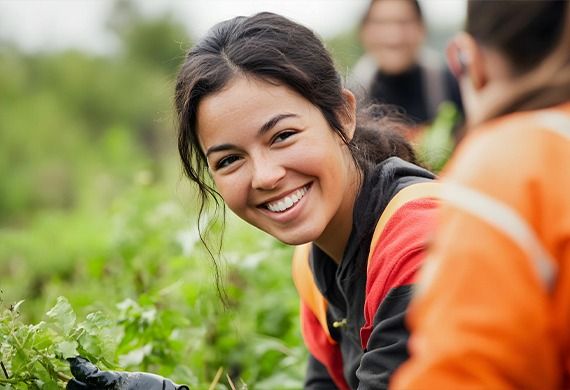

A Japan-backed initiative implemented by the United Nations Development Programme (UNDP) is combining women’s economic empowerment, renewable energy and climate-transition planning in India. The programme, Pathways to Climate Resilience, is supported through Japan’s FY2024 Supplementary Budget and brings together decentralised clean-energy livelihoods, just-transition strategies and circular-economy planning.
Key Highlights:
- 60 women entrepreneurs received productive solar assets registered in their names
- 1,165 farmers and agricultural entrepreneurs received renewable-energy livelihood support
- Odisha, Jharkhand and Maharashtra are advancing climate-transition and solar-waste planning
According to results reported through August 2026, the India project has registered productive solar assets in the names of 60 women entrepreneurs, strengthening their ownership of renewable-energy equipment used for income generation. The initiative has also supported 1,165 farmers and agricultural entrepreneurs through training and assistance in adopting renewable-energy solutions, while 28 local youth have received training to maintain solar systems.
The programme has also focused on strengthening institutional capacity. A total of 135 government and financial-sector officials have been trained to incorporate decentralised renewable-energy livelihood models into development programmes.
Solar-powered systems are being positioned as tools to strengthen both livelihoods and climate resilience. Irrigation pumps can enable farmers to cultivate crops beyond traditional rain-fed seasons, while solar-powered equipment can support enterprises such as tailoring and agricultural processing. Registering productive assets in women’s names can further strengthen their economic agency and participation in business decisions.
A UNDP case study from Odisha illustrates this approach through a woman farmer who received a solar irrigation pump registered in her name in 2025. The system reportedly helped her extend cultivation beyond the monsoon season, diversify crops, and increase her annual income from around US$600 to US$1,050. However, the individual case does not represent income gains across all programme participants.
The initiative also extends beyond community-level renewable-energy adoption. Odisha and Jharkhand have prepared greenhouse-gas inventories covering 2005–2023, providing a basis for planning lower-carbon development. Odisha has additionally developed a just-transition roadmap that identifies district-level priorities and alternative livelihood opportunities as the state gradually moves towards cleaner energy systems.
In Maharashtra, the programme is addressing another challenge linked to the expansion of solar power: end-of-life equipment. Its solar photovoltaic waste plan estimates 566 kilotonnes of solar-panel waste by 2050 and proposes 19 recycling facilities. These remain proposed facilities rather than operational infrastructure. The plan also considers measures such as producer take-back systems, deposit refunds and financial support to strengthen future recycling.
The programme's integrated approach links women’s ownership of productive assets, green entrepreneurship, skills development, government capacity building, just-transition planning and circular-economy measures. It reflects an effort to ensure that renewable-energy expansion creates livelihood opportunities while addressing the social and environmental challenges associated with the shift towards cleaner energy.
For policymakers, the programme highlights the importance of looking beyond equipment distribution. Sustained impact will depend on women's continued control over productive assets and income, reliable access to finance and markets, functioning green enterprises, durable employment opportunities in transitioning regions, and effective solar-panel recycling systems.
Current Issue

Most Viewed
- 1 Talented Indian Female Actors Who Also Moonlight as Successful Producers
- 2 7 Indian Female Podcasters You Must Know About
- 3 7 Powerful Independent Indian Women Journalists Who are Voices of Change
- 4 Ruchikaa Kapoor Sheikh: The Creative Mind Behind Netflix India's Popular Shows
- 5 7 Most Influential Women Educators India has had over the Years
- 6 11 Breakthrough Female Faces Ruling the Indian OTT Platforms
- 7 8 Timeless Female Indian Classical Dancers & their Legacy
- 8 Women's Health Startup HerMD Closing Doors Amid Industry Challenges
- 9 Real Meets Reel: A List of 11 Indian Movies based on Real Women
- 10 Rasha Hassan: A Visionary Leader On A Mission To Transform Dubai's Real Estate Landscape
- 11 5 Indian Women-led IPOs You Must Know About
- 12 11 of the Most Iconic 21st Century Women to become "The First Indian Woman"
- 13 India's 7 Funniest Women Stand-Up Comics You Must Follow
- 14 Aparna Purohit : Leading India's Most Popular OTT Platforms
- 15 How Leaders Can Balance Risk & Innovation in Today's Banking Landscape
- 16 Dr. K. Shilpi Reddy: Sculpting Healthier Futures For The Next Generation With Reforms In Obstetrics Care
- 17 Sylvia Dcosta: A Visionary Business Leader Pushing The Limits And Setting High Professional Standards
- 18 Top 5 All-Rounder Women Cricketers of India
- 19 How Tata AIA is Empowering Women with Insurance That Understands Their Needs


