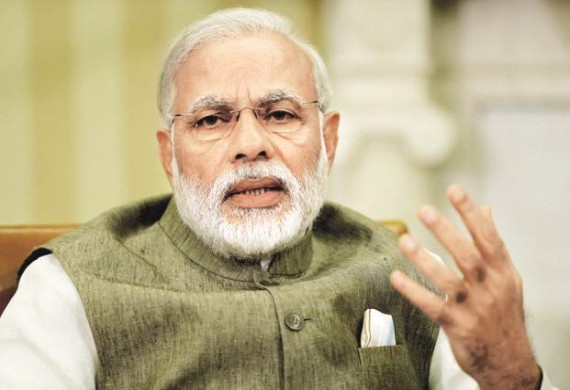

In order to increase the involvement of women in the labour force, Prime Minister Narendra Modi said that flexible working conditions, work from home policies, and flexible workplace policies are essential.
He virtually addressed a two-day National Labor Conference in Tirupati, Andhra Pradesh, and added that it is important to consider expanding opportunities for women in developing industries.
The Prime Minister referred to his claims about Nari Shakti, or women's power, in his Independence Day speech on August 15 "By making the right use of women power, we can achieve our goals faster. Flexible working hours, flexible workplaces, work from home are important for the future."
According to PM Modi, during the last eight years his administration has simplified 29 labour laws from the colonial era that he claimed showed a "slave mindset." In order to encourage worker empowerment through minimum salaries, job security, social security, and health security, the aforementioned laws have been transformed into four labour codes.
The Code on Wages and the Code on Social Security will go into effect first, according to the government. The Indian Express claimed that after that, the Occupational Safety, Health, and Working Conditions Code will be put into effect.
In addition to addressing the data on migrant workers and the workforce's Vision 2047, the Conference, which is being attended by labour ministers and secretaries from all the states and union territories, will also examine the roll out and phased implementation of the codes.
In order for the nation to gain from the fourth industrial revolution, which is currently taking place, PM Modi said, it is necessary to move more quickly and make swift judgments. "We lagged behind in the first three Industrial revolutions, but we need to move faster to take advantage of the changing nature of jobs," he said.
PM Modi urged governments to take use of these opportunities, noting that the government has signed migration and mobility collaboration agreements with other countries.
In addition, when discussing the success of the e-Shram portal, PM Modi noted that within a year of its debut, over 28 crore unorganised employees had benefited from it thanks to connections between the portal and the National Career Service, Udyam, and Aseem portals. Therefore, he urged all the states to connect their individual portals with the e-Shram portal.
Current Issue
Most Viewed
- 1 Talented Indian Female Actors Who Also Moonlight as Successful Producers
- 2 7 Indian Female Podcasters You Must Know About
- 3 7 Powerful Independent Indian Women Journalists Who are Voices of Change
- 4 Ruchikaa Kapoor Sheikh: The Creative Mind Behind Netflix India's Popular Shows
- 5 7 Most Influential Women Educators India has had over the Years
- 6 11 Breakthrough Female Faces Ruling the Indian OTT Platforms
- 7 8 Timeless Female Indian Classical Dancers & their Legacy
- 8 Women's Health Startup HerMD Closing Doors Amid Industry Challenges
- 9 Real Meets Reel: A List of 11 Indian Movies based on Real Women
- 10 Rasha Hassan: A Visionary Leader On A Mission To Transform Dubai's Real Estate Landscape
- 11 5 Indian Women-led IPOs You Must Know About
- 12 11 of the Most Iconic 21st Century Women to become "The First Indian Woman"
- 13 India's 7 Funniest Women Stand-Up Comics You Must Follow
- 14 Aparna Purohit : Leading India's Most Popular OTT Platforms
- 15 How Leaders Can Balance Risk & Innovation in Today's Banking Landscape
- 16 Dr. K. Shilpi Reddy: Sculpting Healthier Futures For The Next Generation With Reforms In Obstetrics Care
- 17 Sylvia Dcosta: A Visionary Business Leader Pushing The Limits And Setting High Professional Standards
- 18 Top 5 All-Rounder Women Cricketers of India
- 19 How Tata AIA is Empowering Women with Insurance That Understands Their Needs


