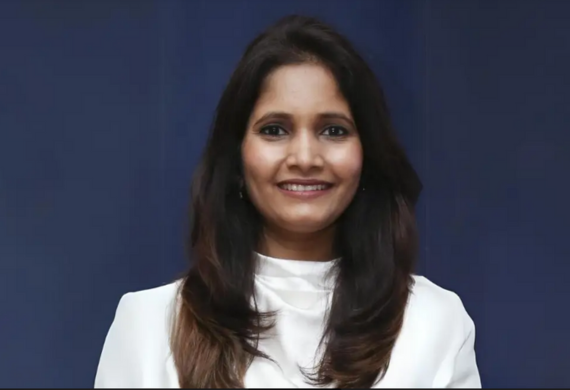

Tamanna Gupta is a seasoned Sales & Marketing expert with 18 years of experience across over 70 industries and 100+ brands. She has led global marketing functions for B2C and B2B firms, including Marvel Realtors and Allcargo Logistics. As a Fractional CMO and Mentor, she fosters entrepreneurship through collaboration with VCs, PEs, and startup incubators.
The recent Union Budget has cast a spotlight on skilling India's workforce. For SMEs, the engines of our economy, this is more than a headline – a lease of life for the sector that has been weathering storms from demonetization to the K-shaped recovery post-COVID. As a mentor and a marketing agency to several startups/ small businesses, I see this as an opportunity for them to thrive in the competitive market.
SMEs, often overlooked amidst the glamour of large corporations, form the bedrock of India’s economic landscape contributing a substantial 30% to our GDP. Yet, the persistent challenge of finding skilled talent due to outdated education and rapid changes in technology has hampered their growth.
Here’s how the new budget along with other government initiatives will now impact the sector:
A. Skilling the Workforce: A Boon for SMEs
PM’s Package - A Step Towards Inclusivity
The government’s one-month wage subsidy for new entrants in all formal sectors aims to target 210 lakh youth. The phased wage payment up to ₹15,000 will incentivize youth to join smaller firms, giving SMEs access to fresh talent without immediate financial strain. This scheme benefits SMEs more than large entities by providing them with immediate access to affordable and skilled labor.
What can an SME/ small business do? Actively recruit young talent, especially those eligible for the wage subsidy. This will help reduce the time and resources spent by the enterprise to train fresh talent and also support them with a subsidy.
B. Bridging the Skill Gap
Skilling Programme: Aligning Education with Industry Needs
The initiative to skill 20 lakh youth over five years and upgrade 1,000 Industrial Training Institutes will directly address the skill gap that many SMEs face. Small businesses often lack the resources to conduct extensive training programs, unlike large corporations that can afford in-house training facilities. By absorbing skilled talent, SMEs can look forward to reducing training costs and the learning curve, while also having access to fresh talent.
What can an SME/ small business do? Add ITIs around you to your recruitment source. Recruit workforce that's industry ready.
C. Women Empowerment in the Workforce
Facilitating higher participation of women through working women hostels and creches is a commendable move. We know that organisations with women in managerial roles tend to perform better. For SMEs, this also means a more diverse and stable workforce. The presence of support systems like hostels and creches can help SMEs retain talented women, leading to a more inclusive work environment and high-performing organisation.
What can an SME/ small business do? Actively work on gender diversity for future recruitment and educate their current women workforce about these government schemes.
D. Financial Support: The Lifeline for SMEs
Credit Guarantee and Mudra Loans
Enhancing the credit guarantee scheme and increasing the limit for Mudra Loans under the ‘Tarun’ category to ₹20 lakh will provide much-needed financial support to SMEs. This liquidity infusion will help SMEs recover from economic shocks, expand operations, and invest in growth initiatives as against constantly struggling for credit lines. SMEs/ startups should make the most of it by applying for these loans to strengthen their financial position and accelerate their growth story.
What can an SME/ small business do? Focus on maintaining regular records to improve credit worthiness and apply for the above schemes.
E. Internship Opportunities: Building Future Leaders
Internship Programme for Youth
Providing internship opportunities in 500 top companies to 1 crore youth over five years is a strategic move. For SMEs, this creates a pipeline of trained interns who can transition into full-time roles, a luxury often more readily available to large entities. The monthly allowance and one-time assistance funded through CSR will make internships more accessible, benefiting both the interns and the SMEs that host them.
What can an SME/ small business do? Develop well-defined internship programs that offer hands-on experience and opportunities for skill development & employer branding.
Why Do These Enhancements Matter More for SMEs and Start-ups Than Large Entities?
1. Access to Skilled Labor: These Skilling initiatives provide SMEs with a steady stream of trained employees, reducing the time and cost associated with training new hires. This is vital for their growth and operational efficiency, as well as for optimising resources.
2. Cost Reduction: Financial incentives for hiring and skilling reduce the overall labor costs for SMEs, allowing them to invest more in other areas of their business.
3. Economic Competitiveness: Government-led skilling helps level the playing field for SMEs, allowing them to innovate and compete with larger firms, thereby contributing more effectively to economic growth.
The Road Ahead: Challenges and Opportunities
While the budget presents a promising roadmap, challenges remain. Ensuring the quality of skilling programs, matching skills with industry needs, and simplifying the loan process are crucial. SMEs also need support in adopting technology and digital marketing.
The budget is a positive step, but it’s just the beginning. By capitalising on these opportunities and addressing the challenges, SMEs can transform from survivors to thriving enterprises.
Current Issue
Most Viewed
- 1 Talented Indian Female Actors Who Also Moonlight as Successful Producers
- 2 7 Indian Female Podcasters You Must Know About
- 3 7 Powerful Independent Indian Women Journalists Who are Voices of Change
- 4 Ruchikaa Kapoor Sheikh: The Creative Mind Behind Netflix India's Popular Shows
- 5 7 Most Influential Women Educators India has had over the Years
- 6 11 Breakthrough Female Faces Ruling the Indian OTT Platforms
- 7 8 Timeless Female Indian Classical Dancers & their Legacy
- 8 Women's Health Startup HerMD Closing Doors Amid Industry Challenges
- 9 Real Meets Reel: A List of 11 Indian Movies based on Real Women
- 10 Rasha Hassan: A Visionary Leader On A Mission To Transform Dubai's Real Estate Landscape
- 11 5 Indian Women-led IPOs You Must Know About
- 12 11 of the Most Iconic 21st Century Women to become "The First Indian Woman"
- 13 India's 7 Funniest Women Stand-Up Comics You Must Follow
- 14 Aparna Purohit : Leading India's Most Popular OTT Platforms
- 15 How Leaders Can Balance Risk & Innovation in Today's Banking Landscape
- 16 Dr. K. Shilpi Reddy: Sculpting Healthier Futures For The Next Generation With Reforms In Obstetrics Care
- 17 Sylvia Dcosta: A Visionary Business Leader Pushing The Limits And Setting High Professional Standards
- 18 Top 5 All-Rounder Women Cricketers of India
- 19 How Tata AIA is Empowering Women with Insurance That Understands Their Needs


