
Leaders
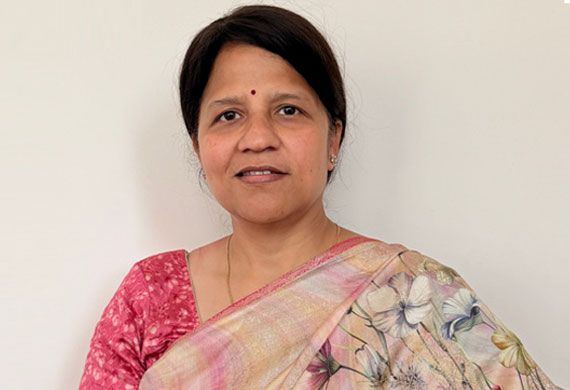

With the rapid rise of chronic diseases, the Indian healthcare system is undergoing a distinctive transformation. Patients today demand more coordinated care; leaders who challenge traditional medical practice, thus reshaping it, are becoming agents of change.
One such transformative figure is Dr Pallavi Mishra, a cardiologist specialised in preventive and diabetes cardiology, whose 20-years long journey is characterized by a rare combination of clinical skills and healthcare system innovations.
She completed her MBBS in Allahabad, her MD at KGMU Lucknow and an MSc in Preventive Cardiology in the UK. Her journey was guided by her mission rather than by the allure of prestige.
Currently, as the Director at Panacea Hospital in Varanasi, which is a 100-bed facility based on a co-clinic model, she runs a system of integrated care where cardiology, diabetology, nephrology, ophthalmology, nutrition, and rehabilitation experts cater to patients from a single location.
She has spearheaded Cardiabcon, India’s first annual cardio-renal-diabetic medical conference and other initiatives such as "Madhumeh Evam Hriday Ghat Mukt Bharat" based on the concept of "more education, less medication".
Briefly describe your journey and contributions in preventive and diabetes cardiology?
I have two decades of experience in preventive and diabetes cardiology, with an MBBS from Allahabad Medical College, MD in Internal Medicine from KGMU, Lucknow, and an MSc in Preventive Cardiology from the UK.
Diabetes cardiology, a growing field in India, focuses on preventing cardiac complications in diabetic patients. Along with my husband, Dr Ashutosh, a diabetologist, we started a hospital in Varanasi offering an integrated co-clinic model, where patients can consult multiple specialists ranging from cardiologist, diabetologist, nephrologist, ophthalmologist, dentist, dietitian, and exercise expert, under one roof.
Even small efforts in education and preventive care can create a lasting impact on patients’ lives
We founded Cardiabcon, a national cardio-diabetes-renal care conference which has been running successfully for 15 years now and has chapters in multiple cities. Close to 300 doctors attend the conference every year and it has also created a strong virtual presence with 400+doctors joining remotely. Additionally, Panacea Welfare and Educational Society, runs “Madhumeh Evam Hriday Ghat Mukt Bharat,” a public awareness program emphasizing prevention over medication.
Through our hospital, social initiatives, and conferences, we aim to promote integrated, preventive healthcare in India, reducing patient burden and improving outcomes.
Describe Panacea Hospital’s unique model and your responsibilities as its Director?
Panacea Hospital is a 100-bed hospital. We currently operate two hospitals in the same city and have recently added another due to rapid growth, with further expansion planned.
Panacea Hospital’s key differentiator is our co-clinic concept, integrating multiple specialties under one roof. Along with cardiology, diabetology, and nephrology, we provide ophthalmology (especially diabetes-related), dentistry, gynecology, and orthopedics. This disease-specific, integrated care model for diabetes, vascular, and cardiac patients, where specialists collaborate closely, is rare in India.
I am a cardiologist and Director of Panacea Hospital, overseeing operations, new departments, expansion, and clinical quality. Clinically, I focus on cardiology and chest-related conditions, managing a wide range of cases. I am also the Secretary of our medical society and National Chairperson of Cardiabcon, contributing to academic leadership and research.
Alongside my professional work, I balance life as a mother of two children.
How does your hospital ensure effective and personalized cardiac care?
Our hospital combines infrastructure, trained staff, and advanced systems to deliver patient-centered care. Physician assistants record medical histories, present cases, and our team of doctors, nursing staff, and administrators coordinate smoothly. I head the cardiology department, my husband leads diabetes department, and other specialists join as needed.
Cardiac care is individualized, varying by age, comorbidities, diabetes, or renal disease. Effective treatment requires understanding the interplay of cardiology, diabetology, and nephrology, not just isolated care. We follow guideline-directed medical therapy (GDMT) and regularly update knowledge through conferences, journals, and publications.
Structured follow-ups track progress, clarify medications, and adjust treatment. This integrated approach ensures diabetes control, cardiac risk reduction, and complication prevention, achieving 93-99 pecent positive outcomes.
What does true success in healthcare mean to you?
Success comes from consistency, patience, and hard work. Over the years, I’ve seen patients with diabetes, heart disease, kidney issues, or advanced age regain quality of life. Their conditions improve, complications stop, and routine life returns.
For me, treating patients is about building trust and bonds, not claiming “I saved someone.” Financial constraints should never block treatment, which is why our hospital runs the Annapoorna Fund, providing medicines and support to those in need.
True success is seeing patients live longer, enjoy family, and avoid serious complications. We focus on four pillars: medication, diet, exercise, and mental-spiritual well-being. Education and awareness are essential to preventive care, and even small efforts can create lasting impact.
How can India tackle the challenge of rapidly rising heart disease effectively?
The larger issue in India is the lack of comprehensive, India-specific research; most risk thresholds are based on Western data. For example, while global BMI cutoffs are 25, Indian experts recommend below 23 due to higher cardiovascular risk.
We focus on both non-modifiable factors (age, gender) and modifiable ones such as smoking, cholesterol, blood pressure, blood sugar, obesity, and inactivity.
External factors like air pollution and stress also affect heart health. Doctors, trained rigorously, deserve dignity and support to ensure quality healthcare. Technology helps, but peace of mind is vital. Modern medicines and interventions enable preventive, precise, and patient-friendly care, shaping the future of cardiology in India.
Dr Pallavi Mishra, Director, Panacea Hospital
Dr Pallavi Mishra, Director at Panacea Hospital, is a top-notch cardiologist who has additionally specialized in the areas of preventive and diabetes cardiology. With a rich experience of over 20 years, she graduated with an MBBS from Allahabad Medical College followed by an MD in Internal Medicine from King George's Medical University. She also holds a Diploma MSc in Cardiology and later obtained an MSc in Preventive Cardiology in the UK.
Current Issue
Most Viewed
- 1 Talented Indian Female Actors Who Also Moonlight as Successful Producers
- 2 7 Indian Female Podcasters You Must Know About
- 3 7 Powerful Independent Indian Women Journalists Who are Voices of Change
- 4 Ruchikaa Kapoor Sheikh: The Creative Mind Behind Netflix India's Popular Shows
- 5 7 Most Influential Women Educators India has had over the Years
- 6 11 Breakthrough Female Faces Ruling the Indian OTT Platforms
- 7 8 Timeless Female Indian Classical Dancers & their Legacy
- 8 Women's Health Startup HerMD Closing Doors Amid Industry Challenges
- 9 Real Meets Reel: A List of 11 Indian Movies based on Real Women
- 10 Rasha Hassan: A Visionary Leader On A Mission To Transform Dubai's Real Estate Landscape
- 11 5 Indian Women-led IPOs You Must Know About
- 12 11 of the Most Iconic 21st Century Women to become "The First Indian Woman"
- 13 India's 7 Funniest Women Stand-Up Comics You Must Follow
- 14 Aparna Purohit : Leading India's Most Popular OTT Platforms
- 15 How Leaders Can Balance Risk & Innovation in Today's Banking Landscape
- 16 Dr. K. Shilpi Reddy: Sculpting Healthier Futures For The Next Generation With Reforms In Obstetrics Care
- 17 Sylvia Dcosta: A Visionary Business Leader Pushing The Limits And Setting High Professional Standards
- 18 Top 5 All-Rounder Women Cricketers of India
- 19 How Tata AIA is Empowering Women with Insurance That Understands Their Needs


