Leaders
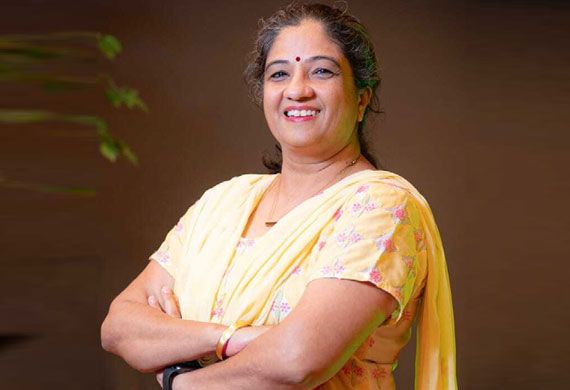


People leadership today cannot be limited to policies alone; it is as much about creating the right environment where both people and the organization can grow together. Devangi Rindani Kamra, who has been in the people management space for over 25 years, represents this evolution through a professional journey that reflects the power of observation and culture-building.
Her journey into HR was not planned but rather facilitated by her communication skills and natural understanding of human behaviour while being shaped by her experiences during the Y2K and dot-com days where she witnessed people-centric cultures being the key to adaptability and survival.
Guided by leaders who led with humility and presence, she understood that performance and retention were inextricably linked with belonging and being heard.
As the Chief People Officer at Technogise, Devangi advocates for HR as a strategic and data-driven function that integrates empathy and accountability. For her, achievement goes beyond titles and awards; she truly values a people leader’s cultural influence and impact they create.
What inspired your journey into HR and people leadership?
I am currently the Chief People Officer at Technogise. My professional journey spans 25 years, all of it within the people and culture space.
I have always been a keen observer of people and behavior. Even when quiet, I closely watch how individuals respond in different environments. During school, college, and internships, I noticed that similar groups reacted differently depending on leadership styles. This shaped my understanding of how environments influence behavior and culture. Studying HR later reinforced this insight.
You don’t need to be the loudest or work in the biggest organizations small, consistent, & intentional actions, paired with lifelong learning, are what create lasting IMPACT
What shaped your people-first leadership approach?
Much of my approach traces back to early mentors and my first job, which revealed how culture and environment shape people. While many organizations are rightly tech- and process-driven, those that truly thrive place people at the center of decision-making and can align this people-centric approach with business goals.
Entering the workforce during the Y2K era and dot-com burst, I saw that organizations that survived did so through strong process or delivery foundations or people-centric cultures that enabled adaptability.
These experiences highlighted clear patterns: people want to be heard, people growth drives organizational growth, and engagement improves retention. This shaped my belief that the people function must be strategic, not merely administrative. What sustains me are lasting relationships, strong cultures, and witnessing people grow—impact outlasts titles.
Understanding both people and organizational needs, building intentional culture, fostering psychological safety, aligning purpose, and using data to shift HR from reactive to proactive have been central to my journey.
Introduce us to Technogise and your role within the organization.
Technogise is a 10-year-old IT consulting organization with nearly 100 employees, operating across domains and technologies without limitation.
Technogise believes in collaborating with like-minded people who bring excellence to their respective fields, who aim to give the best possible experience to all those with whom we come in contact. continue with this line.
What stands out is the freedom it offers for curiosity, experimentation, and questioning. It is a people-first workplace where learning is valued over immediate success, and trying, failing, and learning are encouraged.
What makes initiatives and objectives truly work is connecting them to the Northstar, and my role here starts with that. It extends beyond policies to intentionally building culture, working closely with people experience and recruitment teams to translate purpose into action.
A key focus is making engagement measurable, aligning purpose with OKRs, embedding ownership, and ensuring growth frameworks remain practical, meaningful, and lasting.
What are the most pressing challenges you face in your role, and how do you successfully address them?
One of the toughest challenges is changing the perception of HR as a secondary or administrative function limited to payroll, vendors, or engagement activities. Shifting this mindset towards HR as a strategic function is ongoing work.
I’ve been fortunate to work in organizations willing to embrace this change. At Technogise, this transition was easier because the leadership already shared this mindset.
Another challenge is the constantly evolving technology landscape. Balancing agility with structure is an ongoing effort.
Managing generational shifts is another challenge. What motivates people today may not motivate them five years from now. Keeping initiatives and engagement strategies relevant requires constant adaptation.
There is also a perception that people-first cultures compromise performance. Balancing empathy with high performance expectations is essential and often misunderstood.
Looking back, what milestones or achievements stand out, and what is your success mantra?
I don’t measure success through increments or awards. Success, for me, is seeing organizations thrive long after I’ve left, with cultures and values still intact. It’s when people tell me that something I said or did became a turning point in their lives.
My success mantra is that you don’t need to be the best, the loudest, or work in the biggest organizations. Small, consistent, intentional actions combined with lifelong learning create meaningful and lasting impact.
How do you see the HR landscape evolving in India?
HR is already shifting from being transactional to strategic and experience-driven. Business outcomes, people's experience, and engagement are deeply interconnected. Technology and data will play a central role.
HR professionals can no longer afford to avoid tech or data literacy. AI will be an important enabler, but it cannot replace human connection. AI should be used to leverage skills, not replace them.
The future of work will focus on flexibility, inclusion, diversity, and belonging. Finally, HR is not about managing people; it’s about enabling ecosystems where people and organizations grow.
Devangi Rindani Kamra, Chief People Officer, Technogise
Devangi Rindani Kamra is a seasoned people and culture leader who has shaped high-impact, people-centric organizations over 25 years. She is the Chief People Officer at Technogise and is well-regarded for her ability to craft deliberate cultures that bring together performance, belonging and accountability.
Current Issue
Most Viewed
- 1 Talented Indian Female Actors Who Also Moonlight as Successful Producers
- 2 7 Indian Female Podcasters You Must Know About
- 3 7 Powerful Independent Indian Women Journalists Who are Voices of Change
- 4 Ruchikaa Kapoor Sheikh: The Creative Mind Behind Netflix India's Popular Shows
- 5 7 Most Influential Women Educators India has had over the Years
- 6 11 Breakthrough Female Faces Ruling the Indian OTT Platforms
- 7 8 Timeless Female Indian Classical Dancers & their Legacy
- 8 Women's Health Startup HerMD Closing Doors Amid Industry Challenges
- 9 Real Meets Reel: A List of 11 Indian Movies based on Real Women
- 10 Rasha Hassan: A Visionary Leader On A Mission To Transform Dubai's Real Estate Landscape
- 11 5 Indian Women-led IPOs You Must Know About
- 12 11 of the Most Iconic 21st Century Women to become "The First Indian Woman"
- 13 India's 7 Funniest Women Stand-Up Comics You Must Follow
- 14 Aparna Purohit : Leading India's Most Popular OTT Platforms
- 15 How Leaders Can Balance Risk & Innovation in Today's Banking Landscape
- 16 Dr. K. Shilpi Reddy: Sculpting Healthier Futures For The Next Generation With Reforms In Obstetrics Care
- 17 Sylvia Dcosta: A Visionary Business Leader Pushing The Limits And Setting High Professional Standards
- 18 Top 5 All-Rounder Women Cricketers of India
- 19 How Tata AIA is Empowering Women with Insurance That Understands Their Needs


