


Sonia Gandhi, Senior Leader of the Indian National Congress
The political debate surrounding the Women's Reservation Bill intensified after Sonia Gandhi ra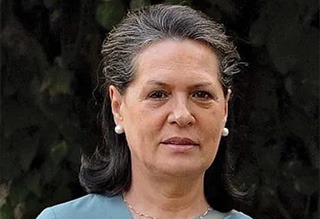 ised serious concerns over the government's approach, particularly questioning the intent behind linking the legislation with delimitation and the timing of proposed constitutional changes.
Sonia Gandhi argued that the real issue is not women's reservation, but the delimitation process being tied to it. She has described the proposed approach as potentially harmful to constitutional balance, warning that proceeding without an updated census could lead to inequitable political representation. Sonia emphasized that any delimitation must be preceded by a proper census to ensure that political representation reflects current demographic realities.
Another major concern highlighted is the delay in conducting the national census, which was expected earlier. The absence of updated population data has implications not only for delimitation but also for welfare policies, resource allocation, and governance planning. Critics argue that proceeding with structural electoral changes without this data could undermine democratic principles.
Mayawati, Former Chief Minister of Uttar Pradesh
Erstwhile UP CM, Mayawati supported the proposed 33 percent women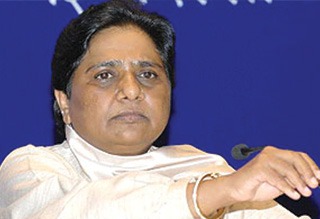 reservation in Parliament and state assemblies but has stressed hard on the necessity of a sub- quota of women belonging to Scheduled Castes, Scheduled Tribes and Other Backward Classes. She claimed that such protection is crucial since otherwise the policy will not achieve its main goal of leaving women out of the marginalized communities.
Mayawati pointed to her party's long-standing demand and demanded 50 percent women reservation in all sections in proportion to population, she expressed fear that political will and clarity were lacking in its implementation.
Referring to B. R. Ambedkar, she noted that constitutional ideals of equality have weakened over time. She also blamed the Congress for bringing up the sub-quota issue late with claims of negligence in the past. Mayawati emphasized that the reservation of women should be based on social justice, safety and dignity, but not political interests.
Current Issue
Most Viewed
- 1 Talented Indian Female Actors Who Also Moonlight as Successful Producers
- 2 7 Indian Female Podcasters You Must Know About
- 3 7 Powerful Independent Indian Women Journalists Who are Voices of Change
- 4 Ruchikaa Kapoor Sheikh: The Creative Mind Behind Netflix India's Popular Shows
- 5 7 Most Influential Women Educators India has had over the Years
- 6 11 Breakthrough Female Faces Ruling the Indian OTT Platforms
- 7 8 Timeless Female Indian Classical Dancers & their Legacy
- 8 Women's Health Startup HerMD Closing Doors Amid Industry Challenges
- 9 Real Meets Reel: A List of 11 Indian Movies based on Real Women
- 10 Rasha Hassan: A Visionary Leader On A Mission To Transform Dubai's Real Estate Landscape
- 11 5 Indian Women-led IPOs You Must Know About
- 12 11 of the Most Iconic 21st Century Women to become "The First Indian Woman"
- 13 India's 7 Funniest Women Stand-Up Comics You Must Follow
- 14 Aparna Purohit : Leading India's Most Popular OTT Platforms
- 15 How Leaders Can Balance Risk & Innovation in Today's Banking Landscape
- 16 Dr. K. Shilpi Reddy: Sculpting Healthier Futures For The Next Generation With Reforms In Obstetrics Care
- 17 Sylvia Dcosta: A Visionary Business Leader Pushing The Limits And Setting High Professional Standards
- 18 Top 5 All-Rounder Women Cricketers of India
- 19 How Tata AIA is Empowering Women with Insurance That Understands Their Needs