


Narendra Modi, Prime Minister of India
Narendra Modi has been a strong supporter of the Women Reservation Bill terming it as one of the most important steps in the creation of a Viksit Bharat. 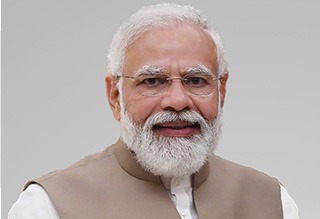
He has said, "Have faith in the women of the country, and in their decisions. Let 33% of the women come to the parliament. And then let them make decisions.” "Those who oppose the women's reservation bill today will have to pay the price for a long long time."
PM Modi pointed out that real development should not be restricted to infrastructural development but to have more involvement of women in policymaking. Backing the bill proposal to adopt the move with regard to the 2011 Census, he pushed the Parliament to take immediate action.
The Indian Prime Minister cautioned against politicizing the issue by opposition parties, saying that they would be met by stiff backlash by a more conscious and empowered female electorate. He pointed out the role that women’s involvement at the grassroots, particularly in panchayats, has changed political awareness in the country.
In a plea to the members to unite, he urged them to put their faith in women leaders and provide 33 percent representation in Lok Sabha. In his opinion, empowering women politically will enhance democracy and speed up the inclusive and sustainable growth of India.
Amit Shah, Union Home Minister of India
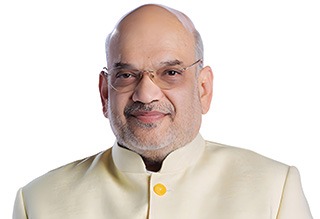 Amit Shah has claimed that delimitation proposed to be associated with women reservation will only enhance but not reduce democratic representation. He ruled out concerns that the southern states will suffer a loss of influence, saying that the number of seats and proportion of Lok Sabha seats for the South will increase after the exercise. Delimitation, according to him, is a constitutional requirement meant to mirror changes in population and provide equitable representation nationally.
He reiterated that the government does not plan to discriminate against any state and that the process will be done openly. Amit believed that increasing the power of the Lok Sabha would be more accommodative to all regions and that women reservation will be implemented. In total, his position offers delimitation as a moderate reform to increase inclusivity and representation, not a political instrument, in response to Opposition accusations of electoral manipulation.
Current Issue
Most Viewed
- 1 Talented Indian Female Actors Who Also Moonlight as Successful Producers
- 2 7 Indian Female Podcasters You Must Know About
- 3 7 Powerful Independent Indian Women Journalists Who are Voices of Change
- 4 Ruchikaa Kapoor Sheikh: The Creative Mind Behind Netflix India's Popular Shows
- 5 7 Most Influential Women Educators India has had over the Years
- 6 11 Breakthrough Female Faces Ruling the Indian OTT Platforms
- 7 8 Timeless Female Indian Classical Dancers & their Legacy
- 8 Women's Health Startup HerMD Closing Doors Amid Industry Challenges
- 9 Real Meets Reel: A List of 11 Indian Movies based on Real Women
- 10 Rasha Hassan: A Visionary Leader On A Mission To Transform Dubai's Real Estate Landscape
- 11 5 Indian Women-led IPOs You Must Know About
- 12 11 of the Most Iconic 21st Century Women to become "The First Indian Woman"
- 13 India's 7 Funniest Women Stand-Up Comics You Must Follow
- 14 Aparna Purohit : Leading India's Most Popular OTT Platforms
- 15 How Leaders Can Balance Risk & Innovation in Today's Banking Landscape
- 16 Dr. K. Shilpi Reddy: Sculpting Healthier Futures For The Next Generation With Reforms In Obstetrics Care
- 17 Sylvia Dcosta: A Visionary Business Leader Pushing The Limits And Setting High Professional Standards
- 18 Top 5 All-Rounder Women Cricketers of India
- 19 How Tata AIA is Empowering Women with Insurance That Understands Their Needs