
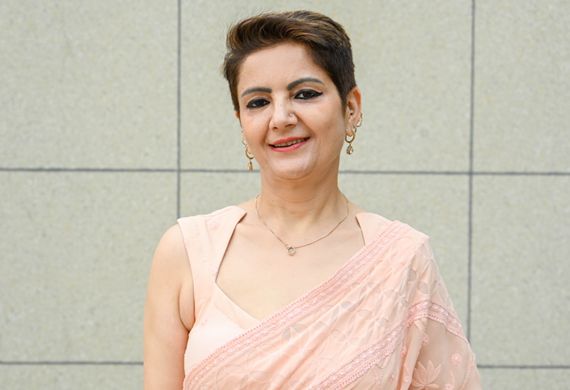

A veteran of the alco-bev industry, Poonam Chandel has been the persona behind some of the most successful whisky and beer brands in India. She has, to her credit, launched several brands, relaunched and revitalised whisky brands and, has setup green-field project for breweries and distilleries.
In a recent conversation with Women Entrepreneurs Review Magazine, Poonam discusses revitalizing and repositioning alco-bev brands in a traditional market, navigating brewery acquisitions, and contract negotiations for favourable outcomes, especially in diverse markets like India and the UK, sharing key lessons from her experiences.
The Indian alco-bev industry grew tremendously in 2023 and is expected to continue the growth momentum in the following years as well. What insights can you share about the growth and evolution of the said industry in the past couple of years? What factors have brought about this growth trajectory?
With the opening of the economy, Indian consumers now have access to global brands, leading to increased aspiration levels and spending power. In recent years, India has produced world-class whiskies, single malts, and gins that excel in taste and quality. These Indian alco-bev products have successfully entered the global market. Additionally, many individuals previously involved in distribution or distillation are now venturing into creating their own brands. They are willing to take financial risks and demonstrate patience and perseverance in building these new brands.
In your opinion how can companies effectively revitalize and reposition alco-bev brands in today’s competitive markets, especially in an industry that is well known for its traditionalism?
There is a requirement of deep understanding of consumer behaviour and follow it up with a strategic approach. Companies should focus on innovative marketing and branding by emphasising their brand's history, unique story, and heritage to create an emotional connection with consumers. Updating the brand’s visual identity, including logos, packaging, and advertising, to appeal to contemporary aesthetics while respecting traditional elements, can also make a significant impact. Product innovation is another key strategy. Introducing new flavours or limited-edition products can attract curious and adventurous consumers. Additionally, leveraging digital channels is crucial. Engaging with consumers through social media, influencer partnerships, and targeted online campaigns can enhance brand visibility and appeal to younger demographics. By combining these approaches, companies can effectively revitalize and reposition their alco-bev brands in the dynamic Indian market.
As a business leader, how do you maintain a balance between leveraging your extensive experience in the alco-bev industry and staying innovative in your approach to cater to the evolving needs and preferences of Indian consumers?
As a business leader in the alco-bev industry, balancing extensive experience with innovation is crucial. Leveraging deep industry knowledge provides a solid foundation for informed decision-making and risk mitigation. However, staying innovative is essential to cater to evolving consumer preferences. This involves fostering a culture of creativity, regularly engaging with customers for feedback, and staying updated on global trends and technological advancements.
Personally, I blend my experience with lifelong learning by participating in industry events and embracing digital transformation. For instance, while launching a new line of premium whisky, we combined traditional distillation techniques with contemporary flavours and modern packaging, addressing the growing demand for premium, locally-produced spirits among urban Indians. The key is adaptability and openness to change, ensuring that we meet consumer needs while maintaining a competitive edge.
With extensive experience in acquiring breweries and overseeing manufacturing operations, how do you ensure operational efficiency and quality control while scaling up production?
Ensuring operational efficiency and quality control while scaling up production involves a strategic approach. Standardising processes across all operations is crucial for consistency and efficiency, covering everything from raw material sourcing to final packaging. Leveraging advanced technology and automation enhances precision and reduces human error, with tools like automated brewing systems and real-time monitoring software. Continuous training programs for employees ensure that everyone is skilled in the latest practices and technologies. Regular audits and quality checks at each production stage help maintain high standards. By combining these elements, we can effectively scale up production while maintaining operational efficiency and product quality.
How do you navigate the complexities of acquiring breweries and negotiating contracts, ensuring favourable outcomes for an organization, particularly in diverse markets like India and the UK, and what key lessons have you gleaned from these experiences?
Navigating brewery acquisitions and contract negotiations in diverse markets like India and the UK demands a nuanced approach. Thorough market research and understanding local regulations are paramount, enabling tailored negotiation strategies. Building strong relationships with local partners fosters trust and aids smoother negotiations. Prioritising organisational interests while remaining open to compromise ensures fair and mutually beneficial contracts. Key lessons include the need for flexibility in adapting to dynamic market conditions and the importance of a diverse and knowledgeable team. Strategic planning, cultural sensitivity, and effective communication are crucial for successful acquisitions and negotiations across diverse markets.
How can leaders find the balance between personal development & continuous learning and the responsibilities of leadership& business management? Can you give a specific example of a challenging leadership situation that you have faced and successfully managed through?
Balancing personal development and continuous learning with the responsibilities of leadership and business management is a critical challenge for leaders. Achieving this balance involves a commitment to ongoing self-improvement while effectively guiding the organization. One effective approach is to integrate learning into daily routines and decision-making processes, ensuring that personal growth aligns with business goals.
Personally, I have never been bogged down by challenges. I have always seen challenges as opportunities and have worked to achieve the set end goal. The liquor industry in India, probably one of the most challenging industries, has offered numerous opportunities for growth and learning. For instance, during a major regulatory shift, our company faced significant operational hurdles. Instead of reacting hastily, I embraced the situation as a learning experience. By staying calm and maintaining an unbiased and clear mind, I led my team through the transition smoothly. Yoga has been instrumental in helping me achieve this state of calmness and clarity.
As Bashir Badr, the famous Urdu poet said, the English translation of which is, "We are rivers, we know our skills. We will find a course wherever we go."
Current Issue
Most Viewed
- 1 Talented Indian Female Actors Who Also Moonlight as Successful Producers
- 2 7 Indian Female Podcasters You Must Know About
- 3 7 Powerful Independent Indian Women Journalists Who are Voices of Change
- 4 Ruchikaa Kapoor Sheikh: The Creative Mind Behind Netflix India's Popular Shows
- 5 7 Most Influential Women Educators India has had over the Years
- 6 11 Breakthrough Female Faces Ruling the Indian OTT Platforms
- 7 8 Timeless Female Indian Classical Dancers & their Legacy
- 8 Women's Health Startup HerMD Closing Doors Amid Industry Challenges
- 9 Real Meets Reel: A List of 11 Indian Movies based on Real Women
- 10 Rasha Hassan: A Visionary Leader On A Mission To Transform Dubai's Real Estate Landscape
- 11 5 Indian Women-led IPOs You Must Know About
- 12 11 of the Most Iconic 21st Century Women to become "The First Indian Woman"
- 13 India's 7 Funniest Women Stand-Up Comics You Must Follow
- 14 Aparna Purohit : Leading India's Most Popular OTT Platforms
- 15 How Leaders Can Balance Risk & Innovation in Today's Banking Landscape
- 16 Dr. K. Shilpi Reddy: Sculpting Healthier Futures For The Next Generation With Reforms In Obstetrics Care
- 17 Sylvia Dcosta: A Visionary Business Leader Pushing The Limits And Setting High Professional Standards
- 18 Top 5 All-Rounder Women Cricketers of India
- 19 How Tata AIA is Empowering Women with Insurance That Understands Their Needs


